

İçeriğe atla
Facial aesthetics

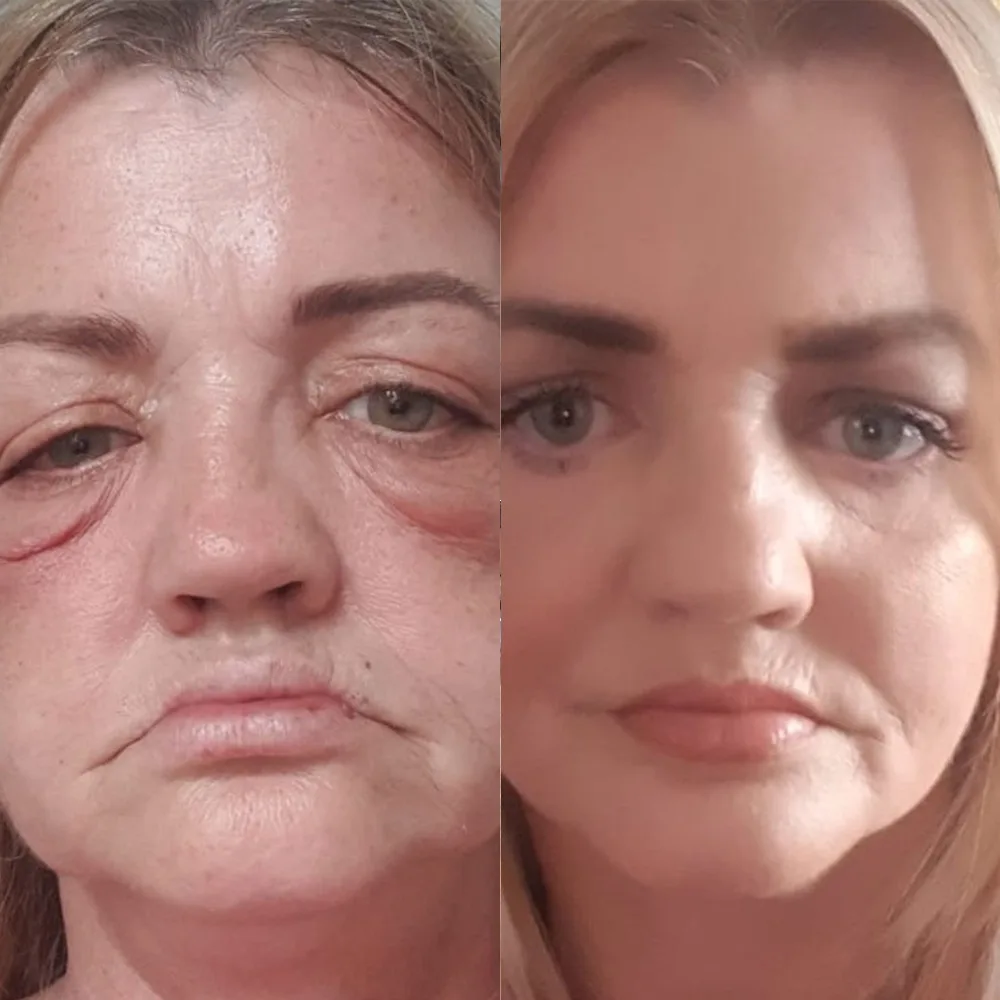
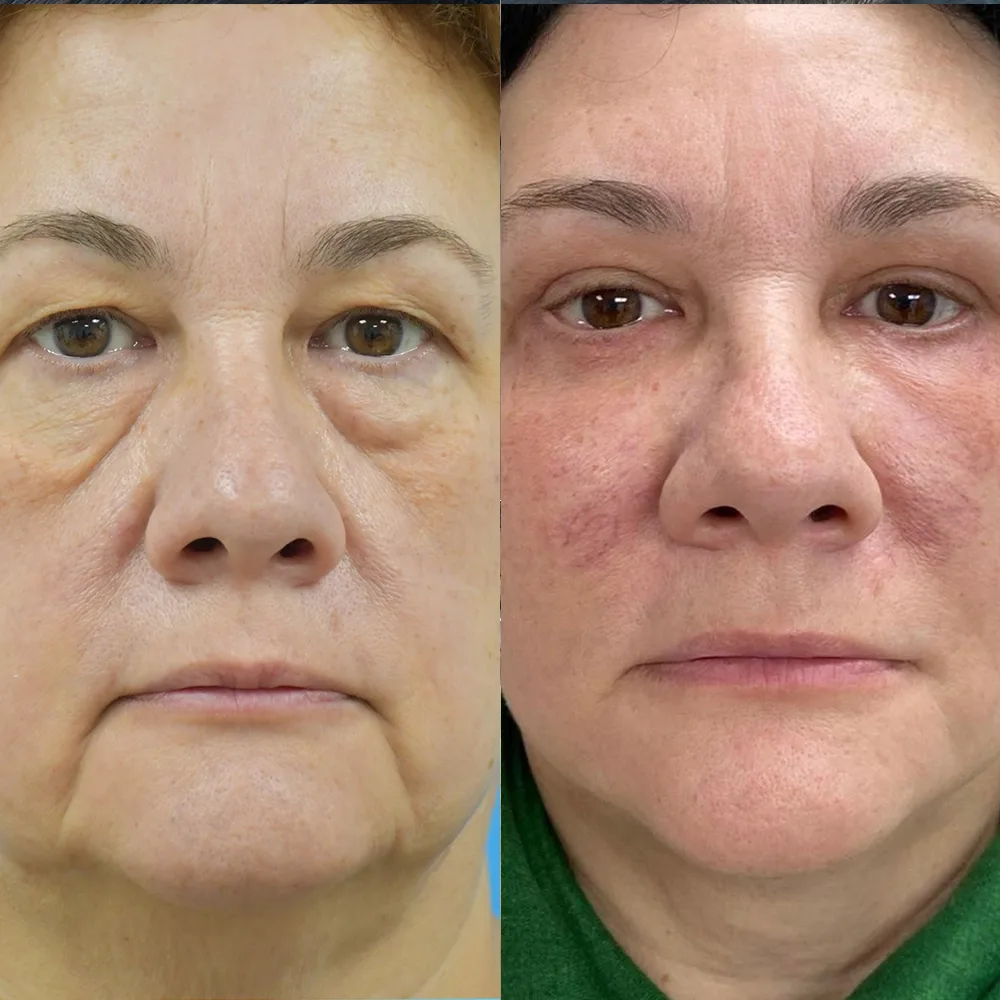
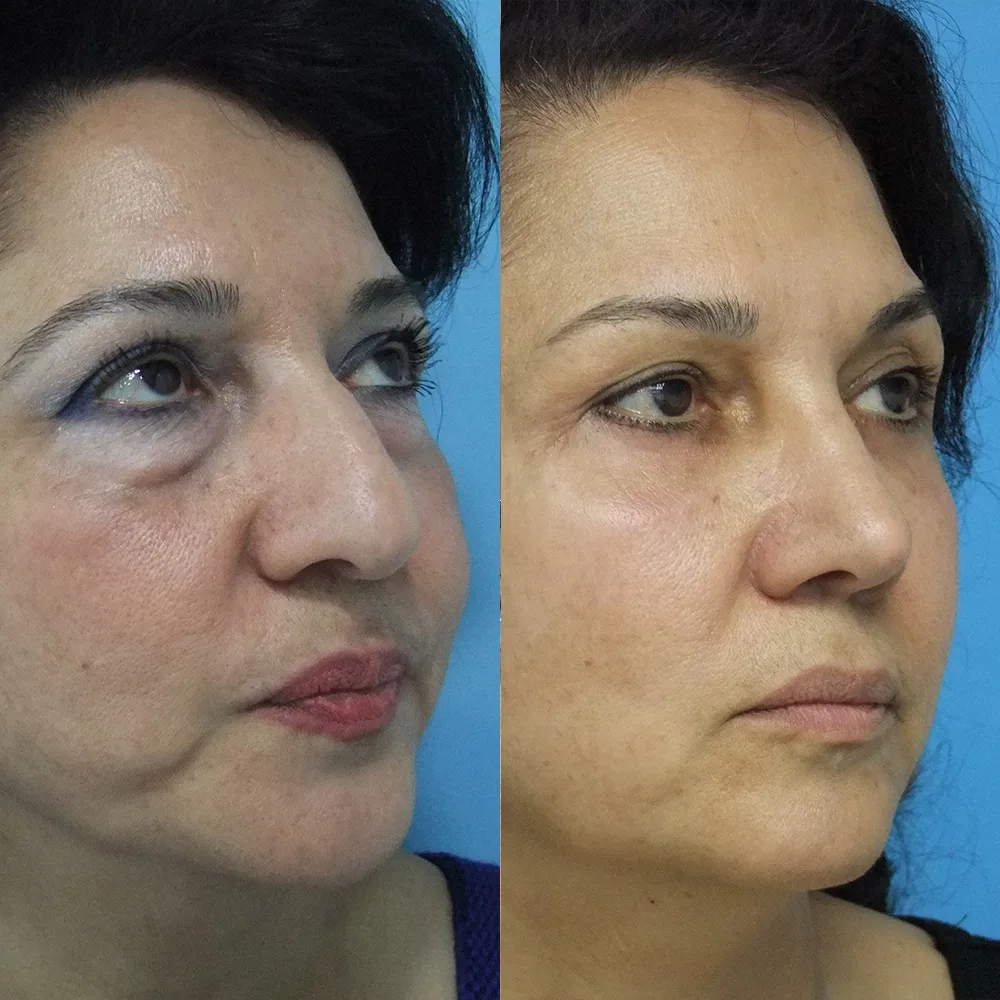
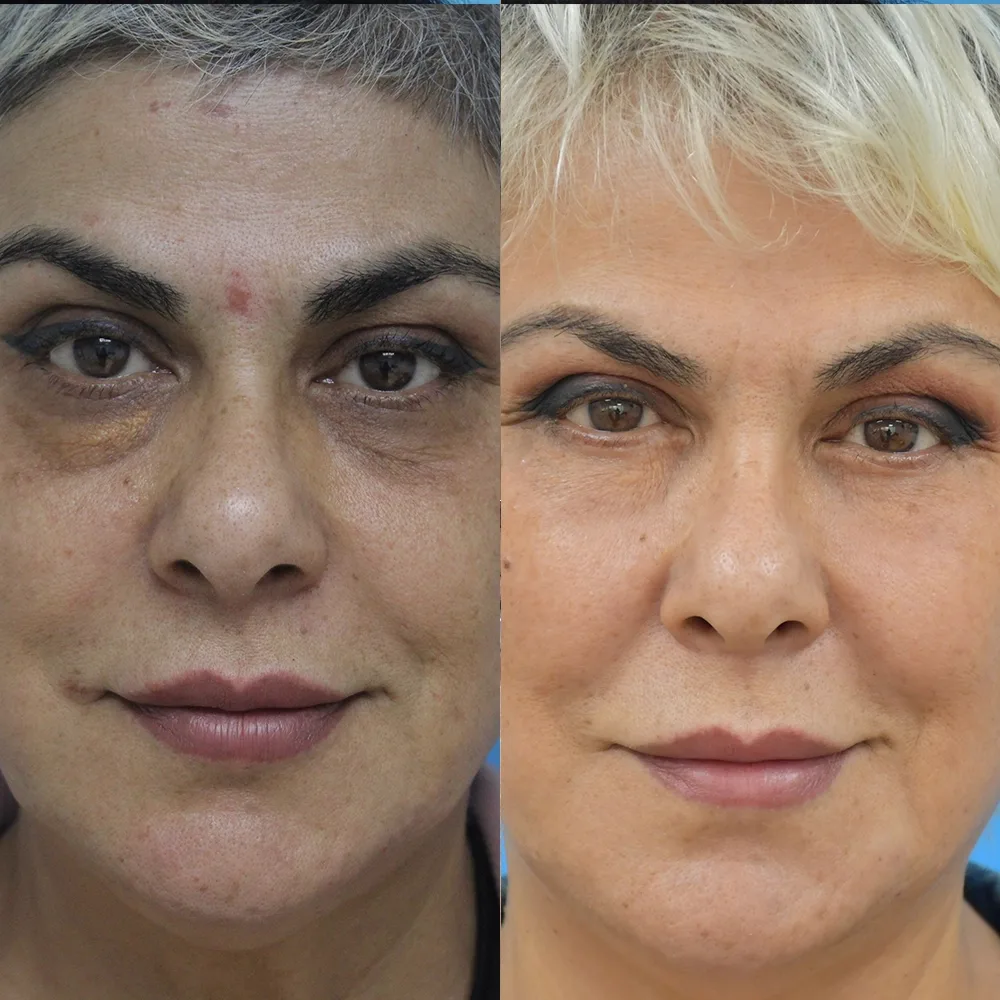
Vertical Space Lift in Turkey

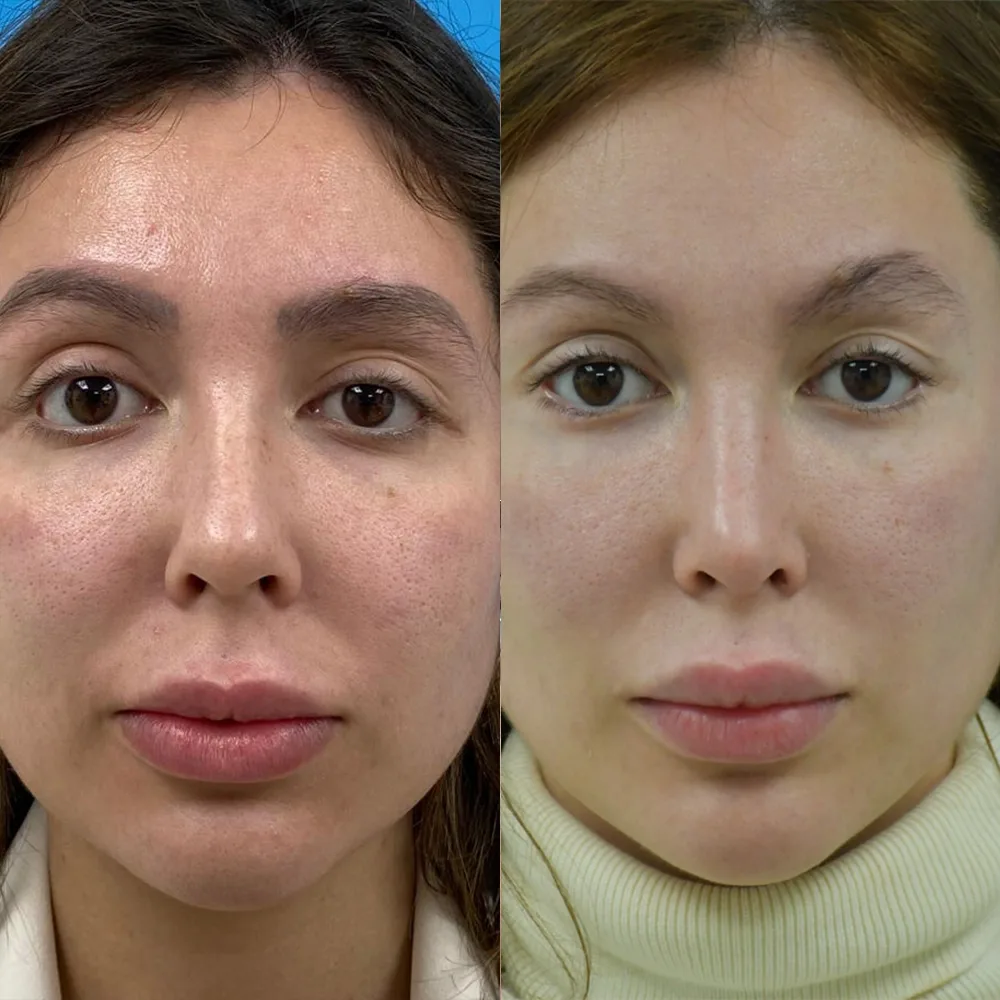
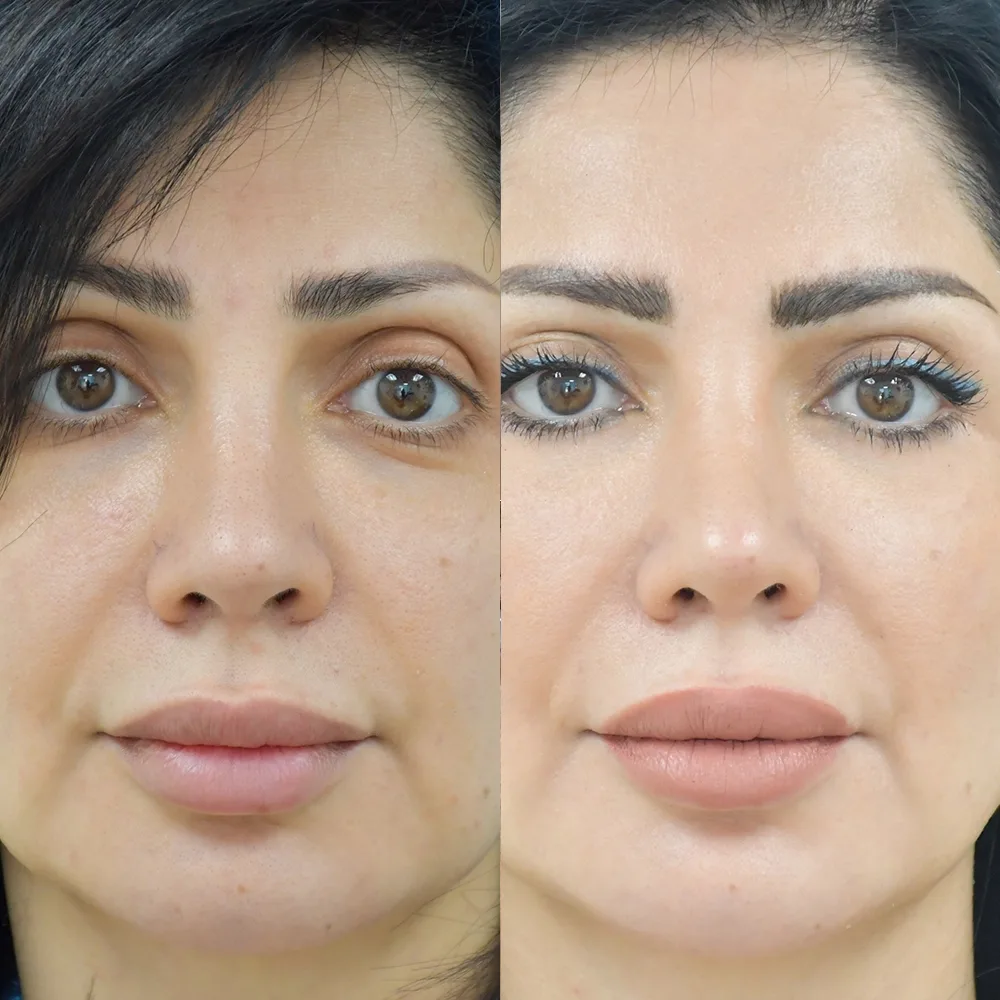
Vertical Space Lift is a published facial rejuvenation approach that combines lower-eyelid access with lifting and fixation of selected midface and lower-face tissues in predominantly vertical or superomedial vectors.

Information only Antalya
Quick answer

Vertical Space Lift is a published facial rejuvenation approach that combines lower-eyelid access with lifting and fixation of selected midface and lower-face tissues in predominantly vertical or superomedial vectors. It should not be understood as a universally standardised operation. The exact technique and whether it is appropriate depend on facial anatomy and medical assessment.

At a Glance
  • Procedure conceptA combined lower-eyelid, midface and lower-face lifting approach described in the medical literature.
  • Primary areasLower eyelid–cheek junction, midface, mid-cheek groove and selected lower-face or jowl changes.
  • Important limitationThe term does not represent one universally standardised protocol used identically by all surgeons.
  • AccessPublished descriptions include lower-eyelid access and subperiosteal midface dissection with tissue suspension.
  • AssessmentLower-eyelid position, midface descent, cheek volume, facial nerve anatomy and previous surgery require careful evaluation.

What Is Vertical Space Lift?

The Vertical Space Lift is described in published surgical literature as a combined approach to selected lower-eyelid, midface and lower-face ageing changes. Published descriptions use lower-eyelid access, midface release and tissue suspension in vertical or superomedial vectors. The label should not be treated as a universal or standardised operation.

What May It Address?

The Vertical Space Lift concept was described to address several connected ageing changes through a vertically directed lifting strategy. Published descriptions include lower blepharoplasty, subperiosteal midface elevation and suspension of selected facial tissues. Because facial ageing patterns differ substantially, the label alone does not determine what should be done. The medical team must define the actual operative components and distinguish them from other facelift or midface-lift techniques.

  • Tear-trough and lower-eyelid–cheek junction changes in selected cases
  • Midface soft-tissue descent
  • Mid-cheek groove or malar descent
  • Selected jowl or lower-face laxity
  • Combined concerns where lower-eyelid and midface anatomy are evaluated together

Who May Be Considered?

Potential suitability requires detailed assessment of eyelid support, cheek and midface descent, skin quality, facial nerve and vascular anatomy, general health, previous eyelid or facelift surgery, smoking and expectations. A person seeking only neck correction, surface skin improvement or a minor isolated concern may require a different strategy. The term should not be used to imply that one technique is inherently superior to established alternatives.

How Is the Procedure Performed? Step by Step

  1. Detailed facial analysis

    The lower eyelids, tear trough, cheek, midface, jawline and neck are assessed as separate but related anatomical zones. The medical team identifies which areas actually require surgical correction.

  2. Anaesthesia and surgical preparation

    Anaesthesia is selected based on the final surgical plan. Eye protection, facial markings and preparation are completed according to the involved areas.

  3. Lower-eyelid access when included

    Published techniques describe transcutaneous lower blepharoplasty access, allowing treatment of lower-eyelid tissues and entry to the midface plane.

  4. Midface release and elevation

    Selected midface tissues may be released in a subperiosteal plane and elevated in a vertical or superomedial direction. The extent of release is technique dependent.

  5. Suspension and fixation

    Published descriptions include suspension of buccal or midface tissues to stable structures around the orbital rim. Exact fixation points and materials depend on the operative plan.

  6. Closure and early follow-up

    Incisions are closed and early follow-up focuses on eyelid position, swelling, facial movement, wound healing and any signs that require prompt review.

Recovery Timeline

Recovery reflects the combined areas involved. Swelling and bruising can affect the lower eyelids, cheeks and lower face, and the final contour cannot be judged during the early post-operative period.

StageWhat may happen
First weekFacial swelling, eyelid bruising, tightness and temporary sensory changes may be present. Eye care instructions are particularly important when lower-eyelid surgery is included.
Weeks 2–4Visible bruising generally reduces, but cheek swelling and firmness can remain. Return to social or work activities varies.
Weeks 4–8Activity may increase progressively with medical approval. Residual swelling or altered sensation may still be noticeable.
Following monthsSoft tissues continue to settle, scars mature and subtle asymmetries may improve as swelling resolves.

Possible Risks and Considerations

Because this approach can involve the lower eyelid and deeper facial planes, risk discussion should be specific to every component performed rather than to the name alone.

  • Bleeding, infection or anaesthesia-related complications
  • Lower-eyelid malposition, irritation, dryness or difficulty with closure
  • Temporary or persistent numbness or sensory change
  • Facial nerve weakness or asymmetry
  • Prolonged swelling or contour irregularity
  • Visible or unfavourable scarring
  • Over- or under-correction of the intended areas
  • Need for revision or additional procedures

Travelling to Turkey for the Procedure

Travelling for a combined facial procedure requires a conservative schedule. Visitors should remain long enough for early eyelid and facial review, because problems involving vision, eyelid position, bleeding or facial movement require prompt medical attention. The treating healthcare professional should determine the appropriate departure and flight date after assessing early healing.

Travel & Aftercare Checklist

  • Ask exactly which operative components are included under the term “Vertical Space Lift”
  • Discuss previous blepharoplasty, fillers, threads or facelift surgery
  • Report dry-eye symptoms and facial nerve conditions
  • Plan a recovery period with limited physical activity
  • Confirm how urgent concerns will be managed after returning home

Who does what

We coordinate the journey around the procedure. Every medical step stays with the authorised facility and its healthcare professionals.

ScopeOrganisationHealth facility
Appointment coordinationYes—
Transfer and accommodationYes—
Interpreting during appointmentsYes—
Medical assessment, diagnosis and the procedure—Yes
Consent process and medical records—Yes
Aftercare and follow-up—Yes

Frequently Asked Questions

No. The term describes a specific published approach involving lower-eyelid and midface/lower-face lifting components; it is not simply another name for every facelift.
No. Surgeons may use different terminology and operative details. The exact planned procedure should be explained in anatomical terms.
Published descriptions primarily focus on the lower eyelid, midface and lower face. Neck correction may require a different or additional procedure.
There is no universal interval. The responsible healthcare professional should approve travel after reviewing early facial and eyelid healing.
Coordination experience

What Patients Say About the Coordination

These accounts describe the coordination and travel experience only — pickup, communication, interpreting and scheduling. In line with regulation, they do not discuss medical treatment or results.

4.9 Google reviews
Next step

Considering vertical Space Lift?

Request information and a coordinator will forward it, with your consent, to a partner facility — a physician there decides what, if anything, is appropriate.

This form is not for medical emergencies.