


İçeriğe atla
Facial aesthetics

Rhinoplasty in Turkey

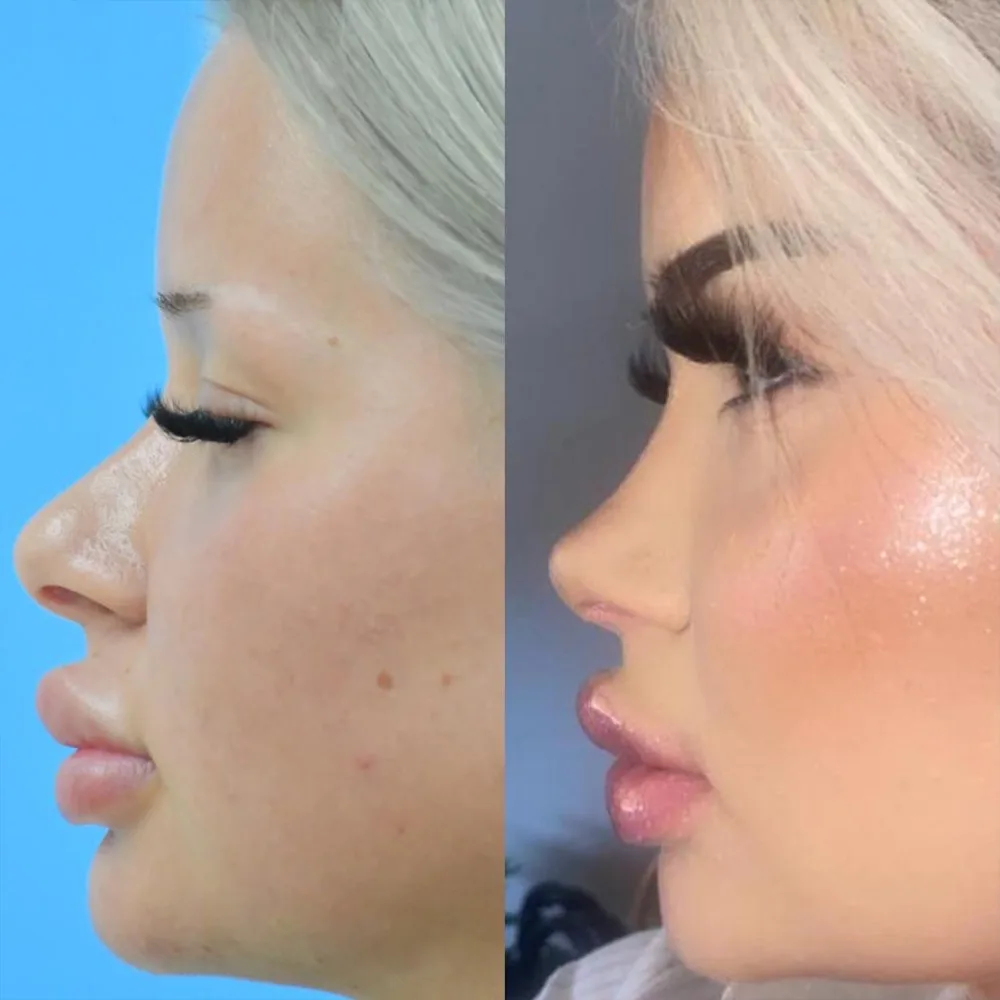
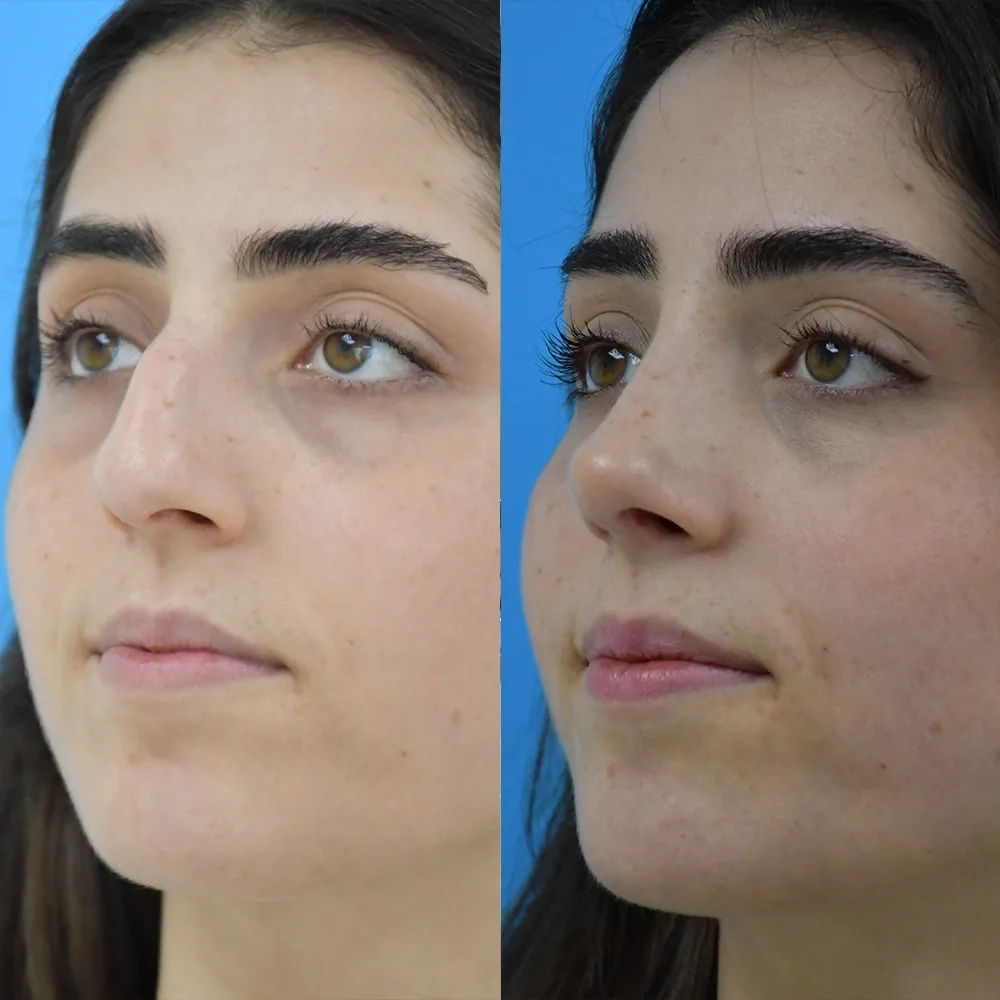
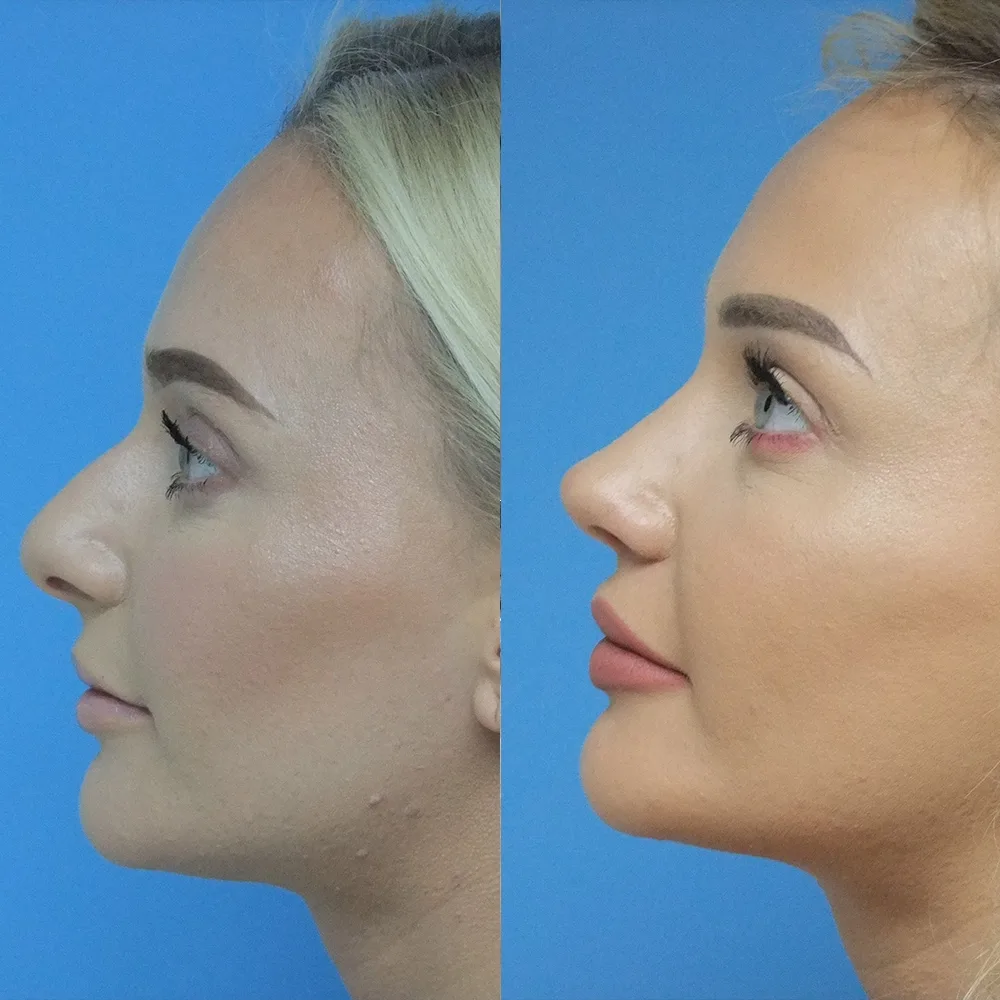
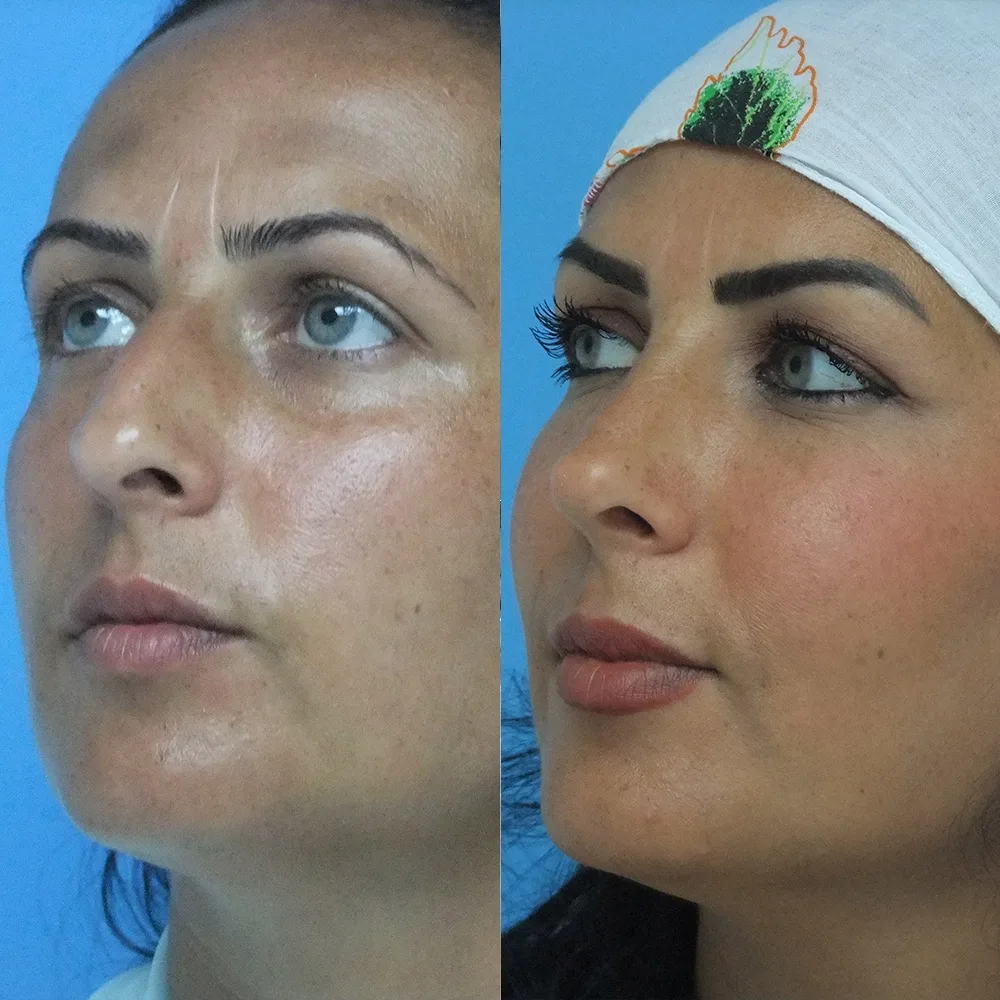
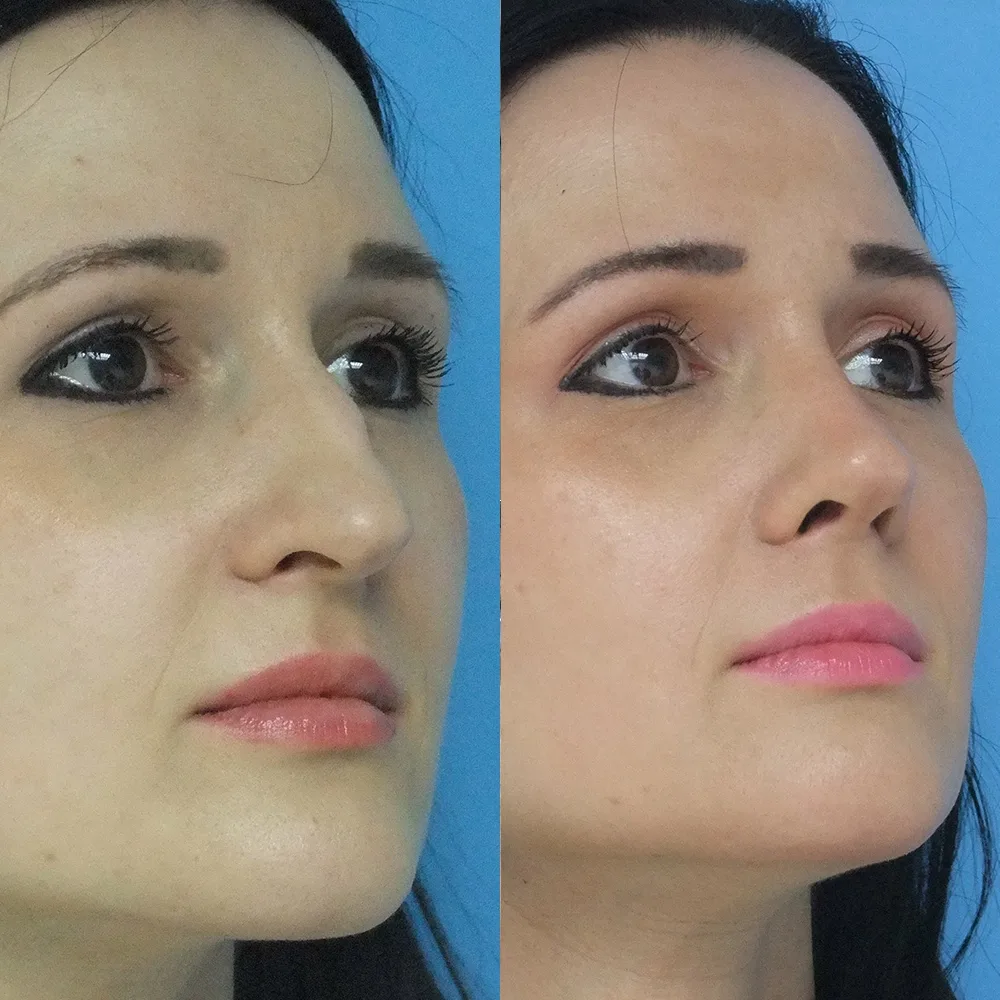
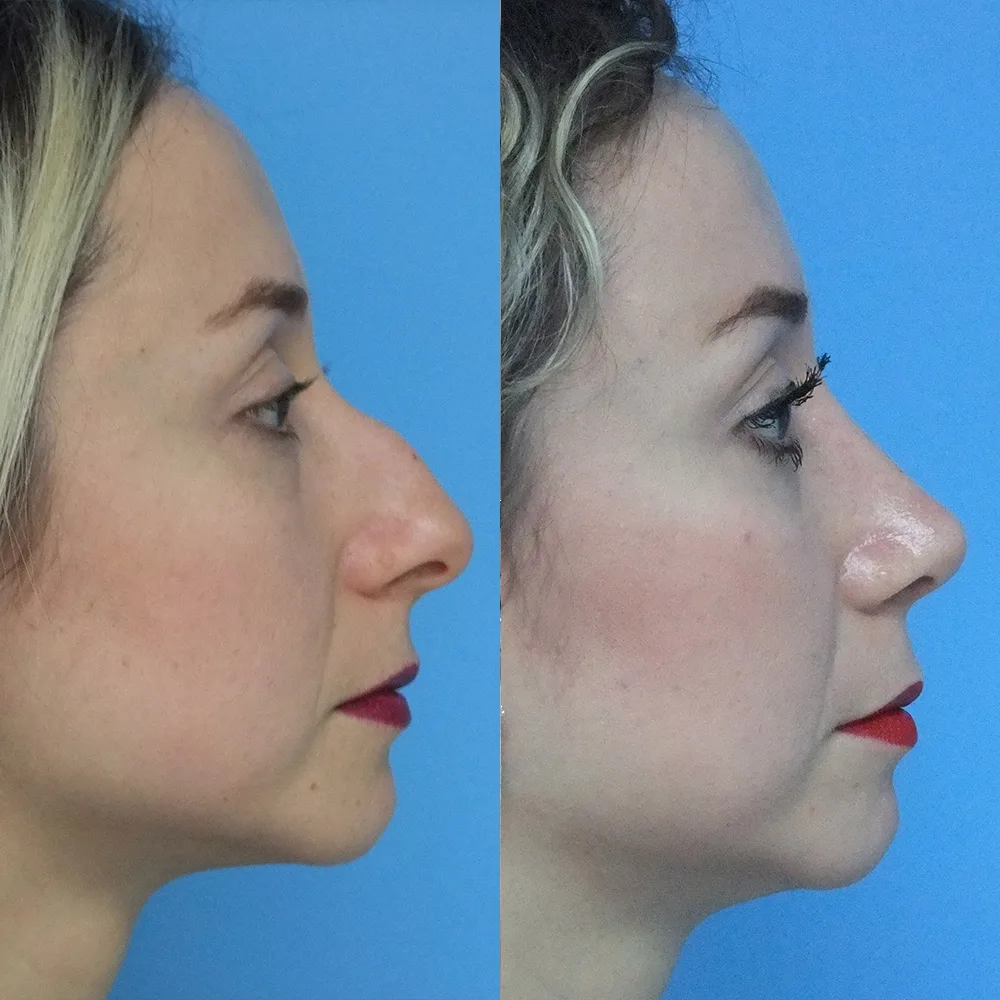
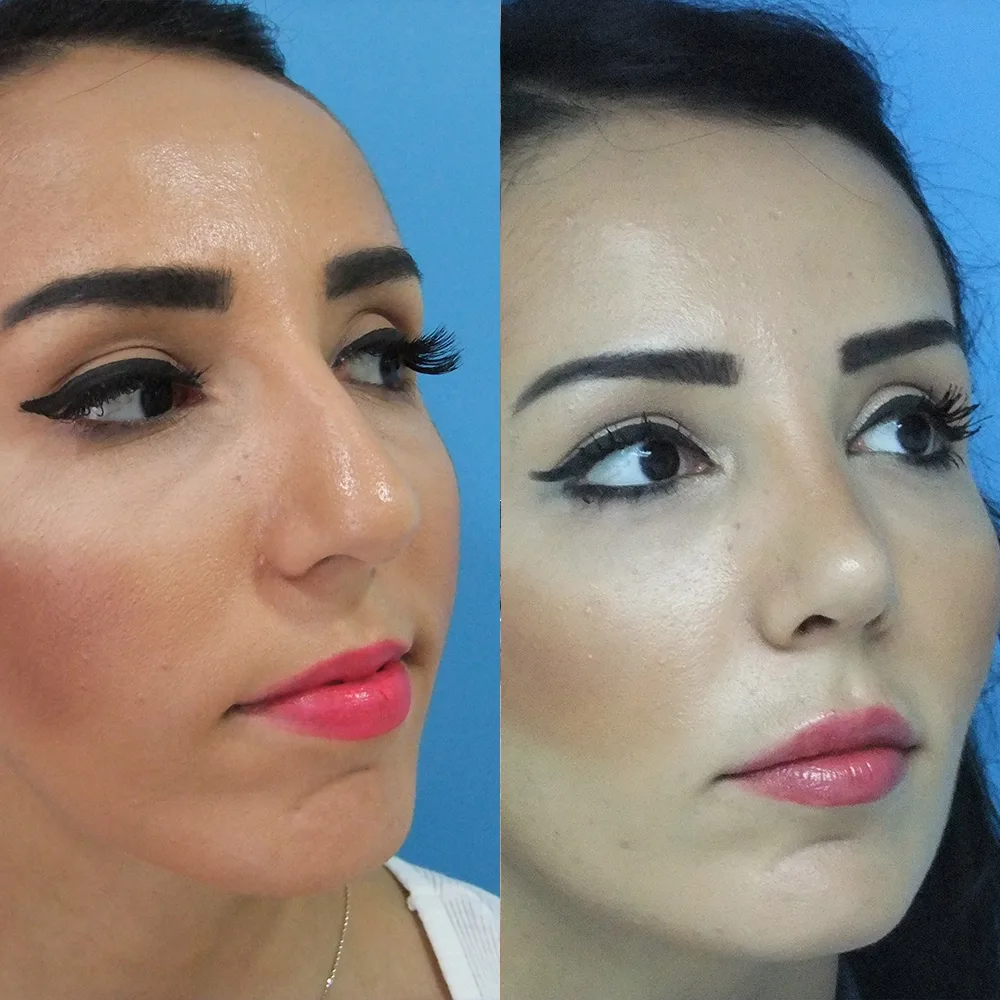
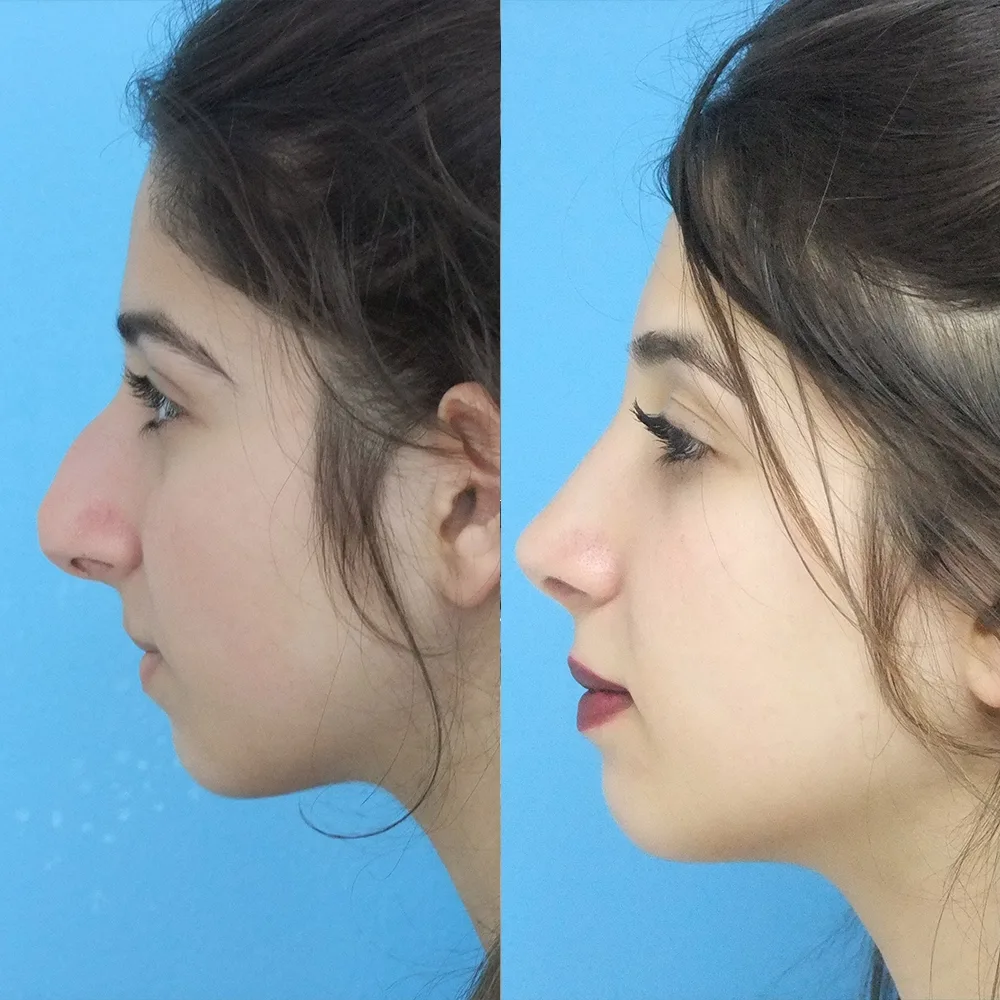
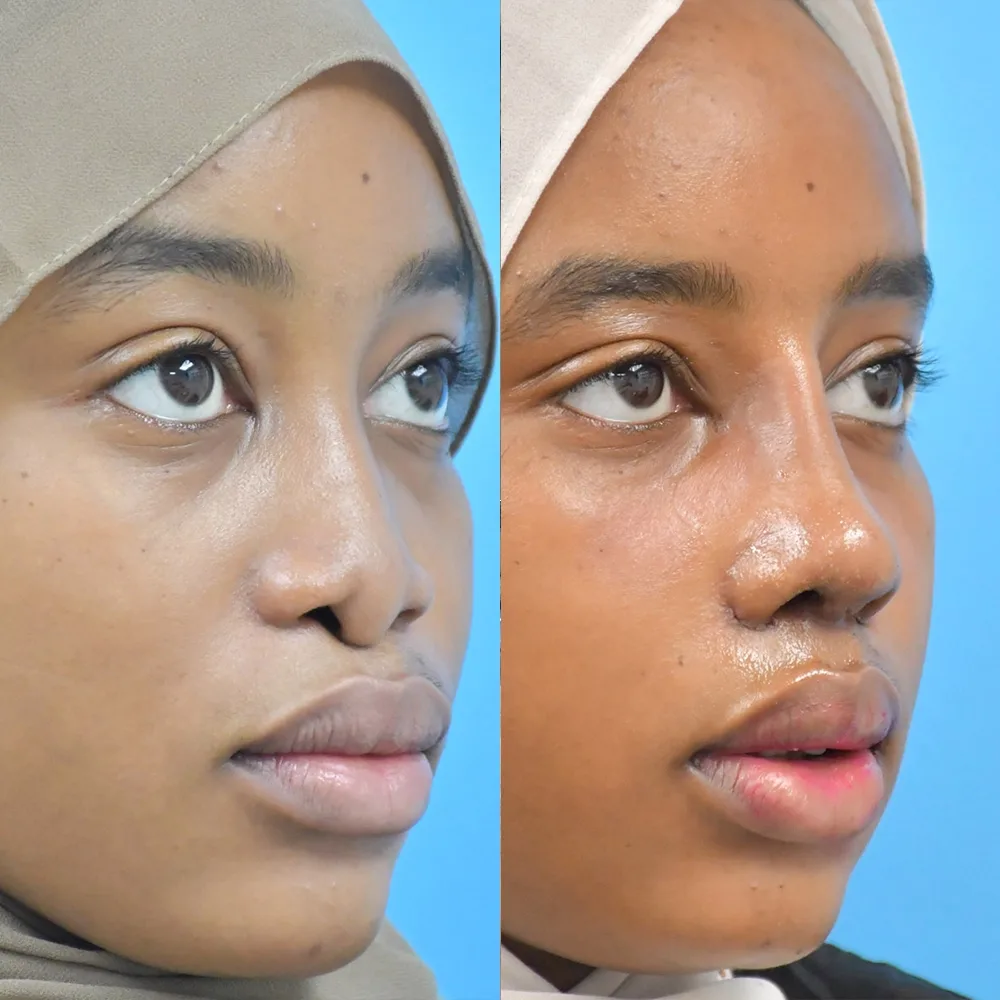
Rhinoplasty is surgery that changes the shape or structure of the nose.

Information only Antalya
Quick answer

Rhinoplasty is surgery that changes the shape or structure of the nose. It may be considered for aesthetic concerns, breathing-related structural problems, or both. The operation is individually planned because nasal bone, cartilage, skin thickness, airway function and previous surgery can all affect the surgical approach and recovery.

At a Glance
  • Procedure focusNasal bone, cartilage, tip, bridge, nostrils and, when relevant, internal structures affecting airflow.
  • AnaesthesiaMay involve general anaesthesia or another approach selected by the responsible medical team.
  • IncisionsOpen rhinoplasty may include a small columellar incision; closed rhinoplasty uses incisions inside the nostrils.
  • Early recoverySwelling, bruising, congestion and temporary changes in sensation are common during early healing.
  • Final refinementResidual swelling may continue to settle for many months; final definition can take a year or longer.

What Is Rhinoplasty?

Rhinoplasty modifies nasal bone, cartilage and soft tissue to change external form, internal support or both. A healthcare professional may use an open or closed approach depending on anatomy and the planned changes. No single technique is appropriate for every nose, and a consultation should distinguish cosmetic goals from structural breathing concerns.

What May It Address?

Rhinoplasty may be considered when a person is concerned about nasal proportions, a prominent bridge, tip shape, nostril width, asymmetry, effects of previous trauma or selected structural causes of nasal obstruction. Cosmetic and functional goals sometimes overlap, so breathing symptoms should be discussed during assessment rather than treated as a purely aesthetic issue.

  • Changes to the nasal bridge or dorsal profile
  • Tip projection, rotation or definition
  • Nostril size, shape or visible asymmetry
  • Selected post-traumatic changes
  • Structural issues that may contribute to impaired nasal airflow
  • Revision concerns after previous nasal surgery

Who May Be Considered?

Suitability is assessed individually. A medical team will consider general health, nasal development, smoking status, current medication, previous operations, breathing symptoms, skin and cartilage characteristics, expectations and the ability to follow aftercare instructions. Surgery may need to be postponed or avoided when medical conditions increase operative risk or when expectations cannot reasonably be matched to anatomy.

How Is the Procedure Performed? Step by Step

  1. Medical assessment and planning

    The nose is assessed externally and internally. Photographs, breathing symptoms, previous surgery and the changes being considered may be reviewed. The surgical plan is based on anatomy rather than a standard template.

  2. Anaesthesia and preparation

    The responsible healthcare team selects the appropriate anaesthesia and completes surgical preparation according to the planned operation and the individual medical assessment.

  3. Access to the nasal framework

    A closed approach uses internal nostril incisions. An open approach also uses a small incision across the columella, allowing wider access to bone and cartilage when required.

  4. Reshaping and functional correction

    Bone or cartilage may be reduced, repositioned or supported with graft material. If relevant, selected septal or internal structural problems may also be addressed.

  5. Closure and support

    Incisions are closed and a splint or other support may be placed to protect the nose during early healing. Packing is not required in every case.

  6. Early follow-up

    The responsible healthcare professional checks healing, removes or adjusts external support when appropriate and provides instructions about cleaning, activity, medication and warning signs.

Recovery Timeline

Recovery is gradual rather than immediate. The visible appearance in the first days is not the final result, and swelling can change from week to week.

StageWhat may happen
First daysSwelling, congestion, bruising around the eyes and mild drainage may occur. The head is often kept elevated and the nose must be protected from pressure or impact.
Around 1 weekExternal support may be reviewed or removed depending on the plan. Bruising often begins to fade, although the nose can still look swollen.
Weeks 2–6Many routine activities may gradually resume when approved. Strenuous exercise, contact sports and anything that risks impact to the nose may remain restricted.
Following monthsResidual swelling, especially at the tip, continues to settle. Small changes in definition can occur for months.
Long termFinal refinement may take a year or longer, particularly after complex or revision surgery.

Possible Risks and Considerations

Rhinoplasty is surgery and carries potential complications. Individual risk varies with anatomy, health, technique and previous procedures.

  • Bleeding, infection or anaesthesia-related complications
  • Persistent swelling or altered skin sensation
  • Scarring or delayed wound healing
  • Asymmetry or an appearance that differs from expectations
  • Breathing difficulty or persistent nasal obstruction
  • Rare septal perforation or structural complications
  • Need for additional or revision surgery

Travelling to Turkey for the Procedure

International visitors should allow enough time in Turkey for the required pre-operative assessment and early post-operative review. A return-flight date should not be fixed solely around tourism plans: the healthcare professional responsible for the procedure should confirm when flying is appropriate. Travel insurance, medication, accommodation, airport transfers, access to urgent medical care and continuity of follow-up after returning home should all be considered.

Travel & Aftercare Checklist

  • Bring an accurate medical and medication history
  • Plan accommodation that allows rest and easy access to follow-up
  • Avoid scheduling important social events immediately after surgery
  • Confirm when flying, exercise and wearing glasses are permitted
  • Know how to contact the responsible healthcare institution after returning home

Who does what

We coordinate the journey around the procedure. Every medical step stays with the authorised facility and its healthcare professionals.

ScopeOrganisationHealth facility
Appointment coordinationYes—
Transfer and accommodationYes—
Interpreting during appointmentsYes—
Medical assessment, diagnosis and the procedure—Yes
Consent process and medical records—Yes
Aftercare and follow-up—Yes

Frequently Asked Questions

Most visible swelling improves during the first weeks, but residual swelling can persist for months. Final nasal definition may take a year or longer.
There is no universal flight date. The responsible healthcare professional should decide when air travel is appropriate based on the procedure and early recovery.
In selected cases, surgery may address structural contributors to nasal obstruction. The cause of breathing difficulty must first be medically assessed.
Structural changes are intended to be long term, but healing, ageing, trauma and other biological changes can affect the nose over time.
Coordination experience

What Patients Say About the Coordination

These accounts describe the coordination and travel experience only — pickup, communication, interpreting and scheduling. In line with regulation, they do not discuss medical treatment or results.

4.9 Google reviews
Next step

Considering rhinoplasty?

Request information and a coordinator will forward it, with your consent, to a partner facility — a physician there decides what, if anything, is appropriate.

This form is not for medical emergencies.