

İçeriğe atla
Facial aesthetics

Otoplasty in Turkey

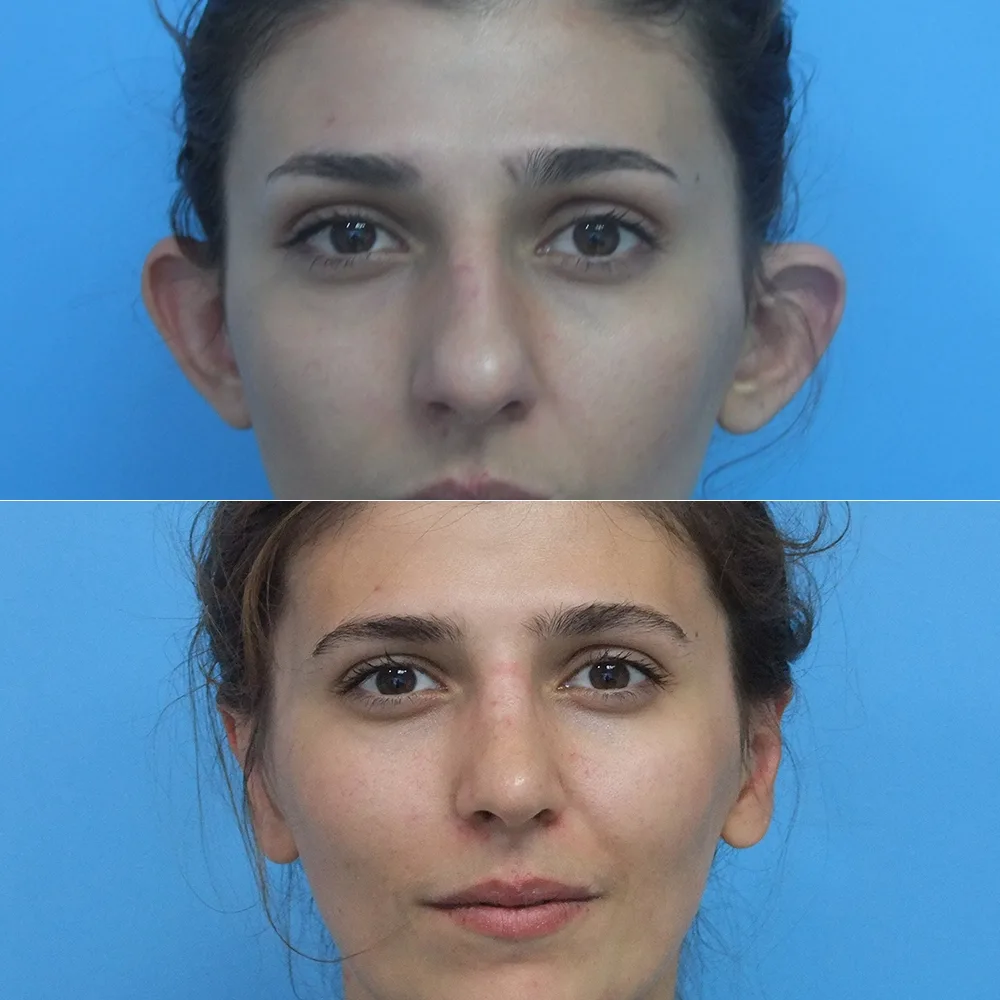
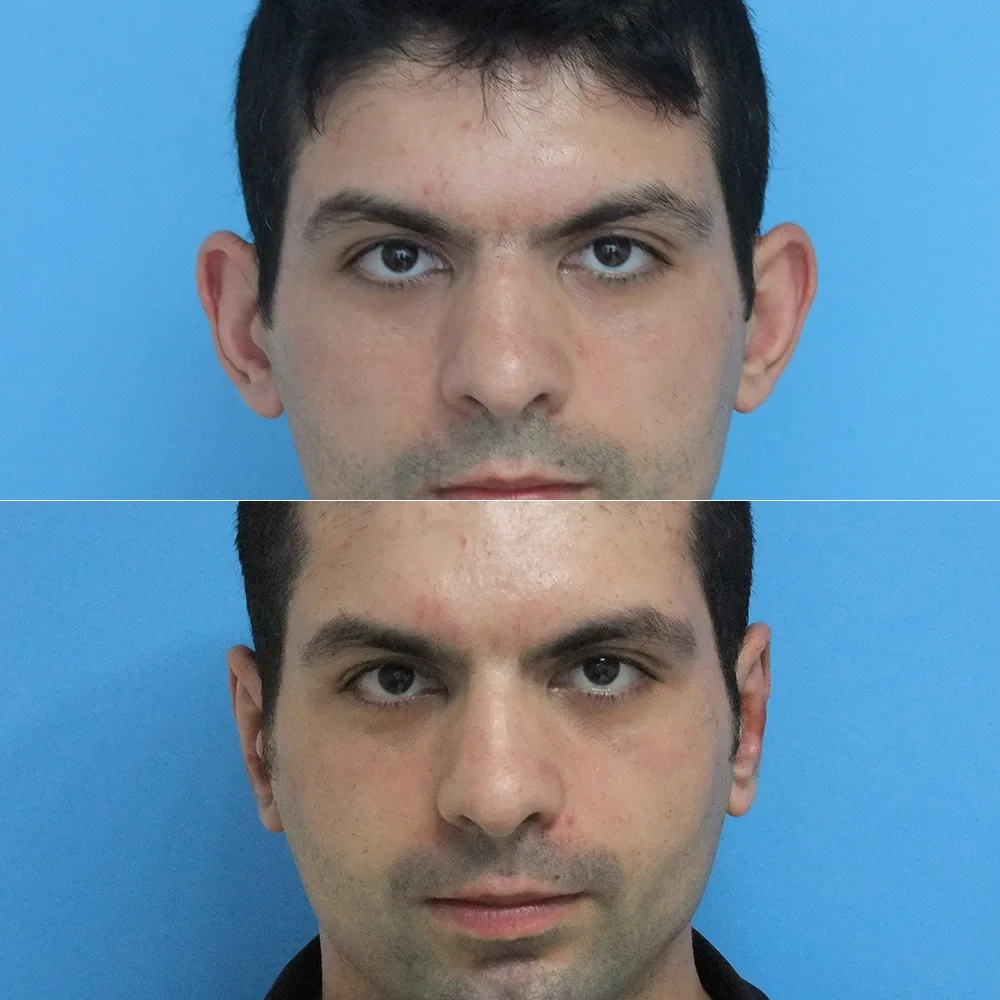
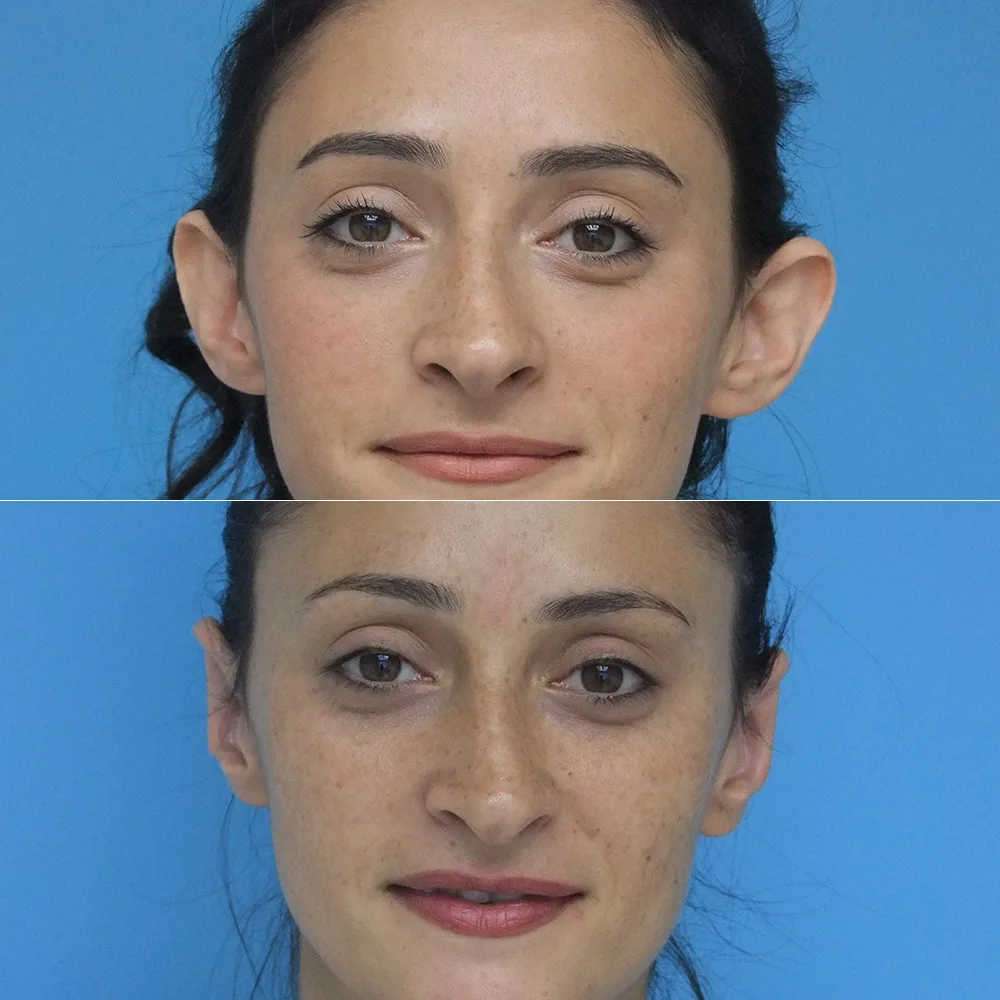
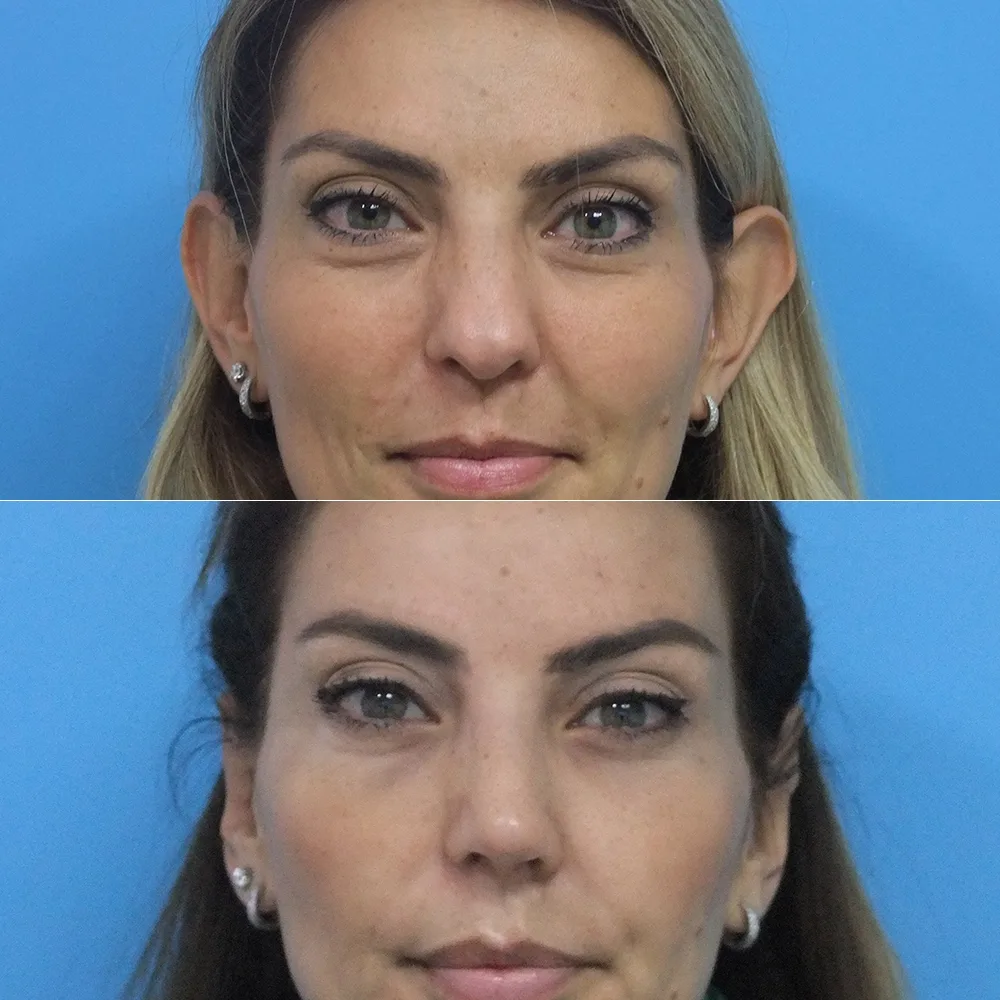
Otoplasty is surgery that changes the shape, position or proportion of the external ear.

Information only Antalya
Quick answer

Otoplasty is surgery that changes the shape, position or proportion of the external ear. It is commonly considered for prominent ears or selected structural differences. The technique is chosen according to cartilage shape, ear projection, symmetry, skin characteristics and whether one or both ears require correction.

At a Glance
  • Procedure focusExternal ear cartilage, projection, folds and selected asymmetries.
  • IncisionsOften placed behind the ear; when front access is required, incisions may be positioned within natural folds.
  • AnaesthesiaMay involve local anaesthesia, sedation or general anaesthesia depending on age, procedure and medical assessment.
  • Early recoveryDressings, tenderness, swelling, itching and temporary numbness may occur.
  • Aftercare priorityProtecting the ears from folding, pressure and accidental impact is important during early healing.

What Is Otoplasty?

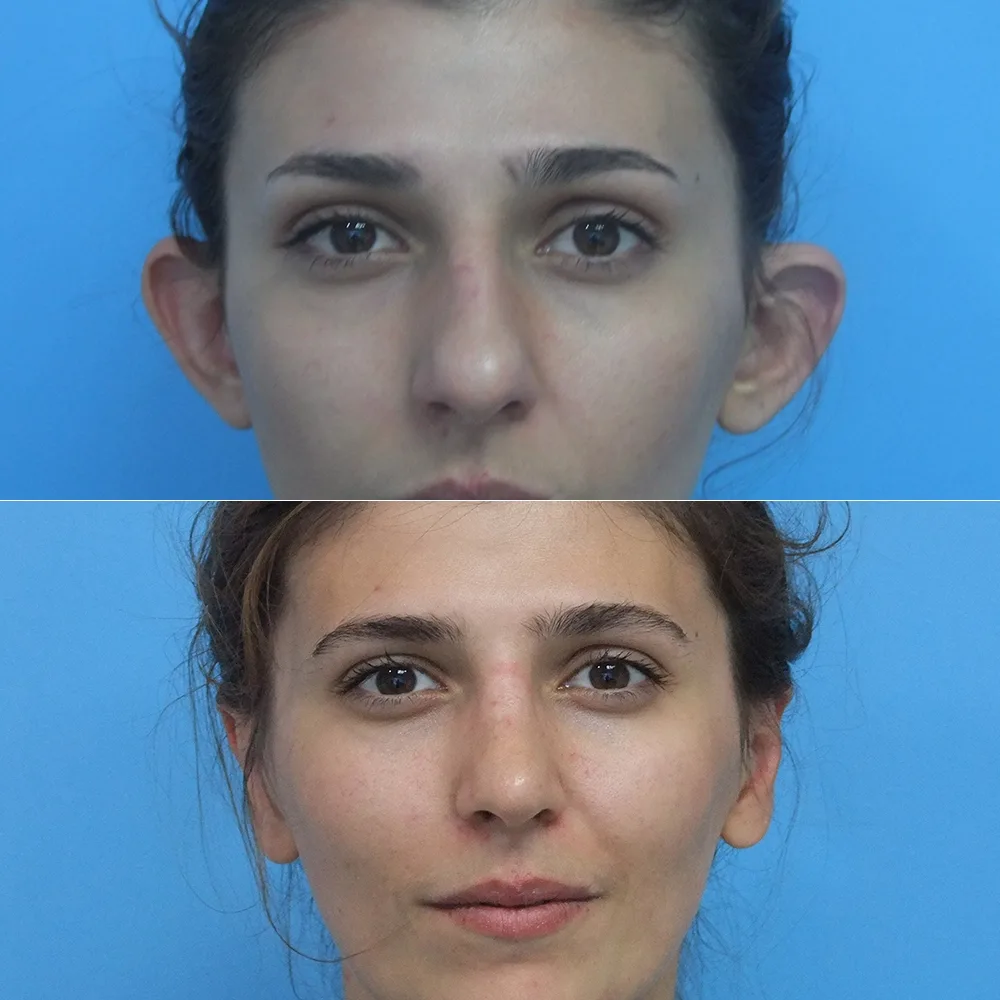
Otoplasty changes the external ear by reshaping, folding, suturing or selectively modifying cartilage. It can be performed on one or both ears. The operative plan is based on the specific source of prominence or asymmetry rather than on a single standard correction.

What May It Address?

Otoplasty may be considered when one or both ears project prominently from the head, when normal cartilage folds are underdeveloped or when selected ear-shape asymmetries are a concern. The operation is individualised; the aim is not to make both ears mathematically identical. Congenital ear differences, trauma and previous ear surgery may require different reconstructive planning.

  • Prominent ear projection
  • Underdeveloped or poorly defined antihelical folds
  • Selected conchal cartilage prominence
  • Asymmetry in ear position or shape
  • Revision concerns after previous external-ear surgery

Who May Be Considered?

Suitability depends on general health, cartilage development, skin condition, previous ear surgery, scarring tendency, smoking status and expectations. In younger patients, age and ear development are assessed carefully. Adults should also discuss work, helmet use, contact sports and sleeping habits because these can affect post-operative protection of the ears.

Before the Procedure: What Should Be Reviewed?

Before surgery is planned, the medical assessment should review factors that can change technique, safety or aftercare:

  • Whether prominence comes from the antihelical fold, conchal cartilage or a combination of structures
  • Differences between the right and left ear so that asymmetry is discussed before surgery
  • Previous ear injury, surgery, infection or a personal history of thick or keloid scars
  • Work, sport, helmet, headphone and sleeping habits that could place pressure on the ears during recovery
  • The planned dressing or headband schedule and who will review the ears before travel home
  • How glasses, masks, headphones and headwear may contact the incision area and when each can safely be used again

How Is the Procedure Performed? Step by Step

  1. Ear assessment and planning

    Both ears are examined from the front, side and back. Projection, fold definition, cartilage characteristics and asymmetry are documented.

  2. Anaesthesia

    The responsible healthcare team selects local anaesthesia, sedation or general anaesthesia based on the individual and the planned correction.

  3. Incision

    For prominent-ear correction, access is often through the back of the ear. If front access is needed, incisions may be placed within natural ear folds.

  4. Cartilage reshaping and positioning

    Sutures, scoring or selective cartilage modification may be used to create or strengthen folds and adjust projection. Technique varies according to cartilage anatomy.

  5. Closure and dressing

    Incisions are closed and a dressing or head band may be applied to support and protect the ears during early healing.

  6. Review and protection

    Follow-up checks wound condition, ear position and swelling. Instructions may include night-time headband use and restrictions on pressure, headphones or contact sports.

Recovery Timeline

Otoplasty often produces an early visible change once bulky dressings are removed, but swelling and tissue settling continue after that point.

StageWhat may happen
First daysTenderness, swelling and itching under the dressing can occur. Dressings should not be removed unless instructed.
First 1–2 weeksThe initial dressing may be changed to lighter support. Sleeping directly on the ears may remain uncomfortable or restricted.
Weeks 2–6Routine activity increases gradually. Contact sports, tight headgear and activities that can bend the ears may remain restricted.
Following monthsScars mature and residual swelling or altered sensation gradually settles.

Possible Risks and Considerations

Possible complications should be balanced against the expected benefit and discussed before consent.

  • Bleeding or haematoma
  • Infection, including cartilage-related infection
  • Asymmetry or recurrence of prominence
  • Skin or cartilage contour irregularity
  • Temporary or persistent changes in sensation
  • Visible, thickened or unfavourable scars
  • Suture irritation or exposure
  • Pain or delayed wound healing
  • Need for revision surgery

Travelling to Turkey for the Procedure

International visitors should allow enough time for initial dressing review and for the medical team to confirm that healing is satisfactory before departure. Travel plans should also account for avoiding pressure from tight headphones, travel pillows or luggage straps around the ears. If a headband is advised, ask how and when it should be worn during the journey home.

Travel & Aftercare Checklist

  • Bring details of previous ear surgery, injury or keloid scarring
  • Plan clothing that does not need to be pulled tightly over the head
  • Arrange a comfortable sleeping setup that avoids ear pressure
  • Ask when glasses, headphones, helmets and sports can be resumed
  • Confirm dressing and wound-care instructions before travelling home

Who does what

We coordinate the journey around the procedure. Every medical step stays with the authorised facility and its healthcare professionals.

ScopeOrganisationHealth facility
Appointment coordinationYes—
Transfer and accommodationYes—
Interpreting during appointmentsYes—
Medical assessment, diagnosis and the procedure—Yes
Consent process and medical records—Yes
Aftercare and follow-up—Yes

Frequently Asked Questions

Incisions are often placed behind the ear or within natural folds, but all surgical scars are permanent and vary with individual healing.
Yes. Ears are commonly asymmetric, so each side can require a different degree of correction.
Headband use varies by technique and healing. The responsible healthcare professional should provide the schedule.
Flight timing is individual and should be confirmed after early review, especially if dressings or wound checks are still required.
Coordination experience

What Patients Say About the Coordination

These accounts describe the coordination and travel experience only — pickup, communication, interpreting and scheduling. In line with regulation, they do not discuss medical treatment or results.

4.9 Google reviews
Next step

Considering otoplasty?

Request information and a coordinator will forward it, with your consent, to a partner facility — a physician there decides what, if anything, is appropriate.

This form is not for medical emergencies.

Otoplasty in Turkey | | HN Health Turkey