

İçeriğe atla
Facial aesthetics

Eyelid Surgery in Turkey

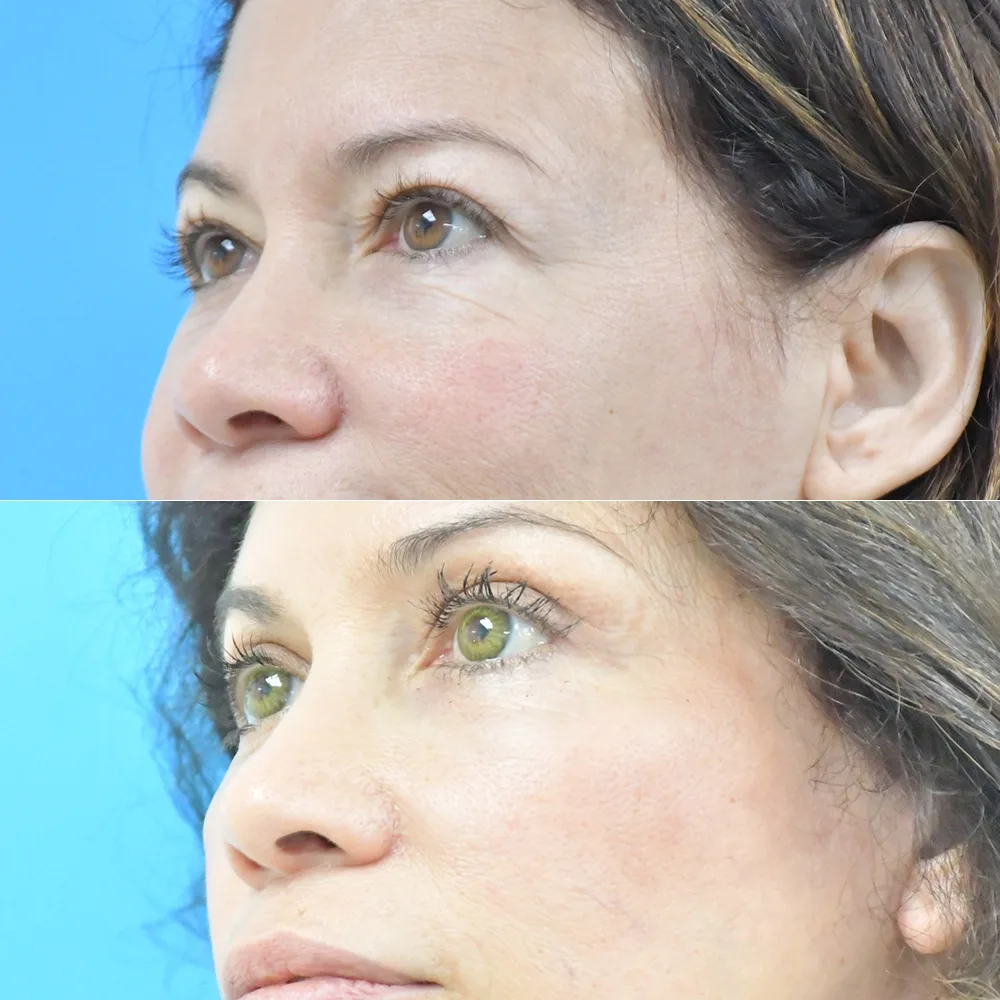
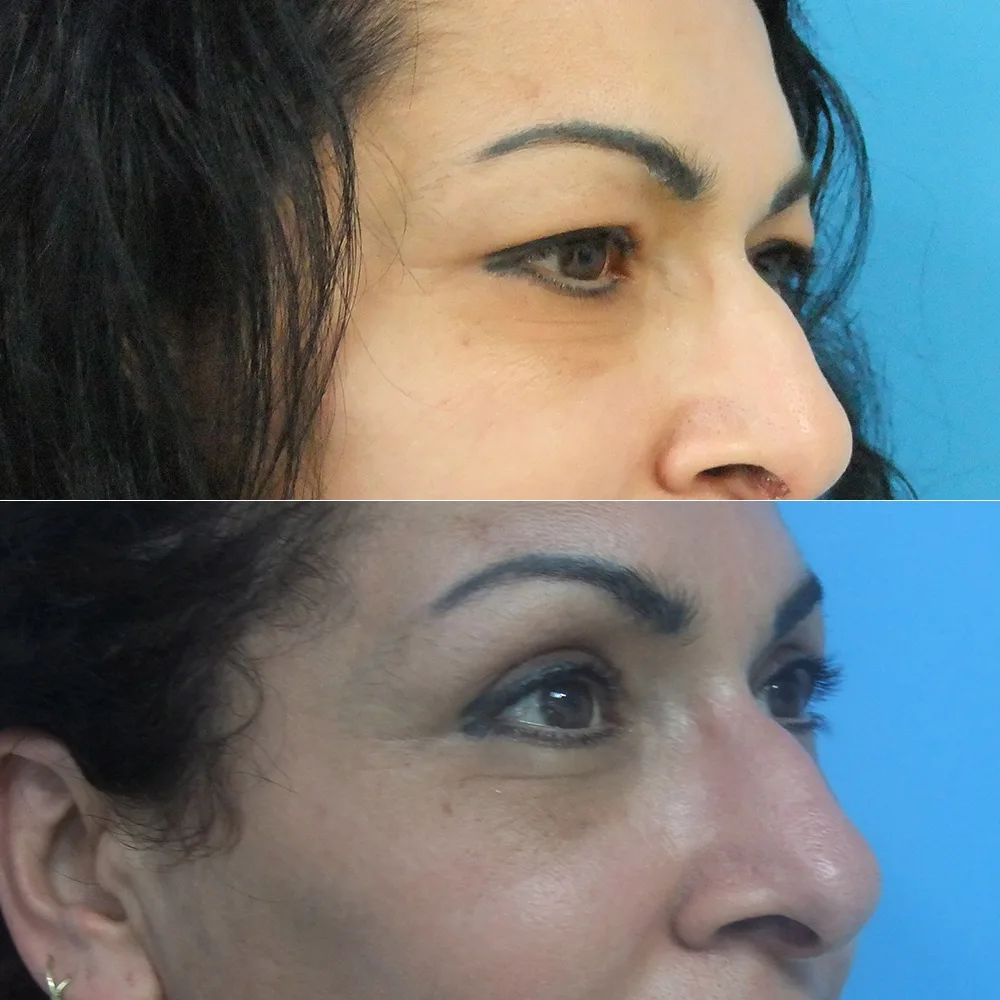
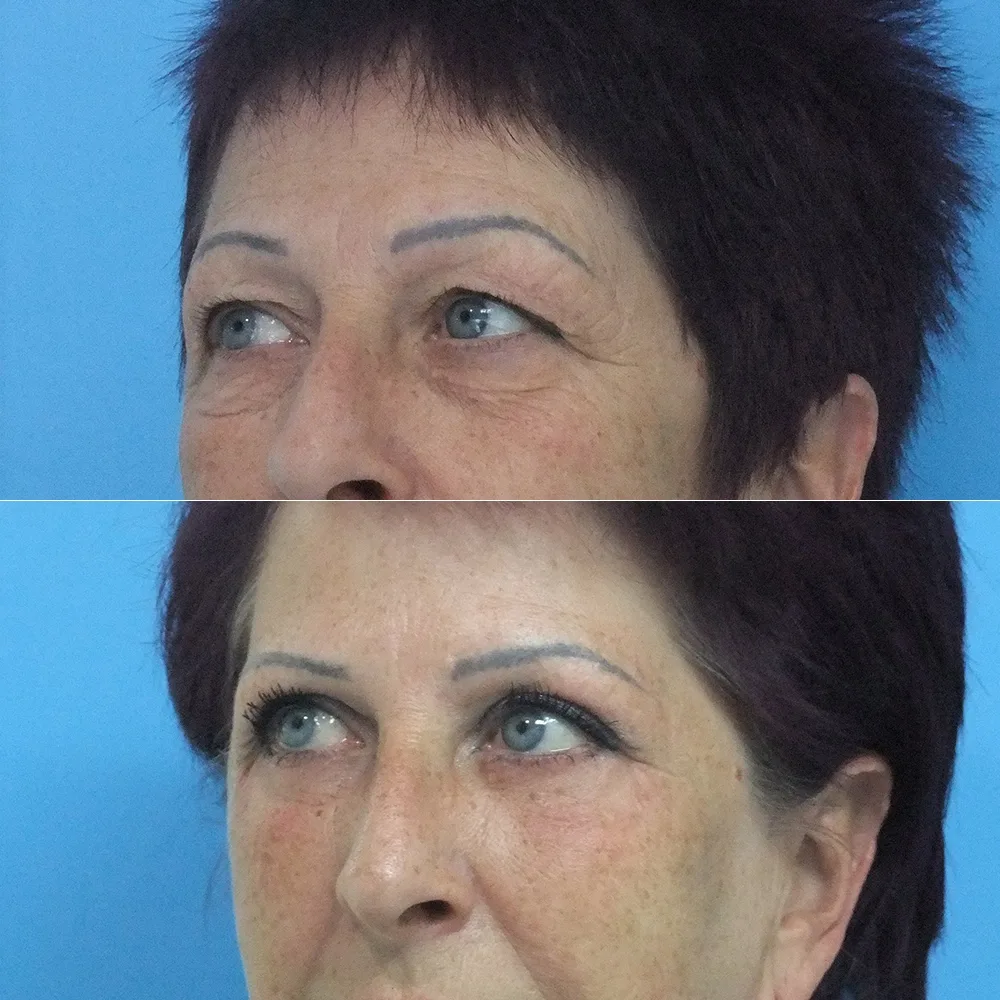
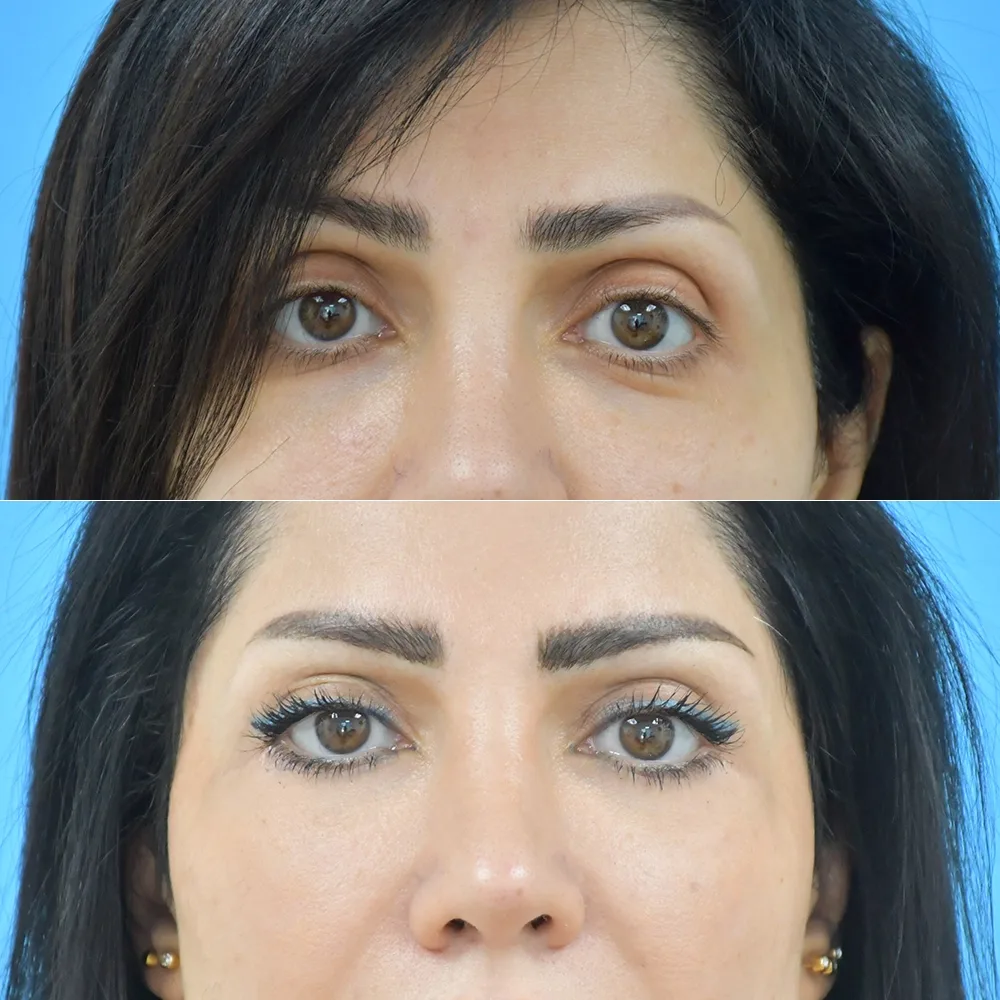
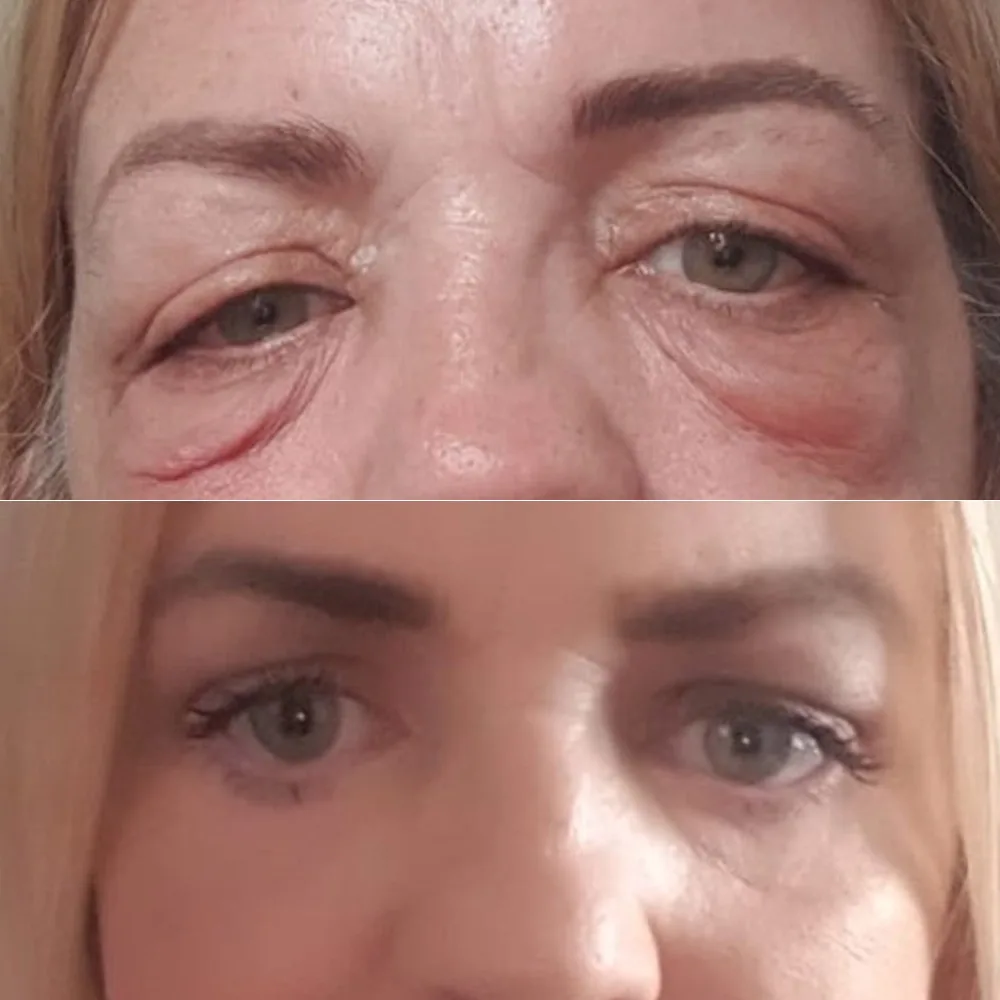
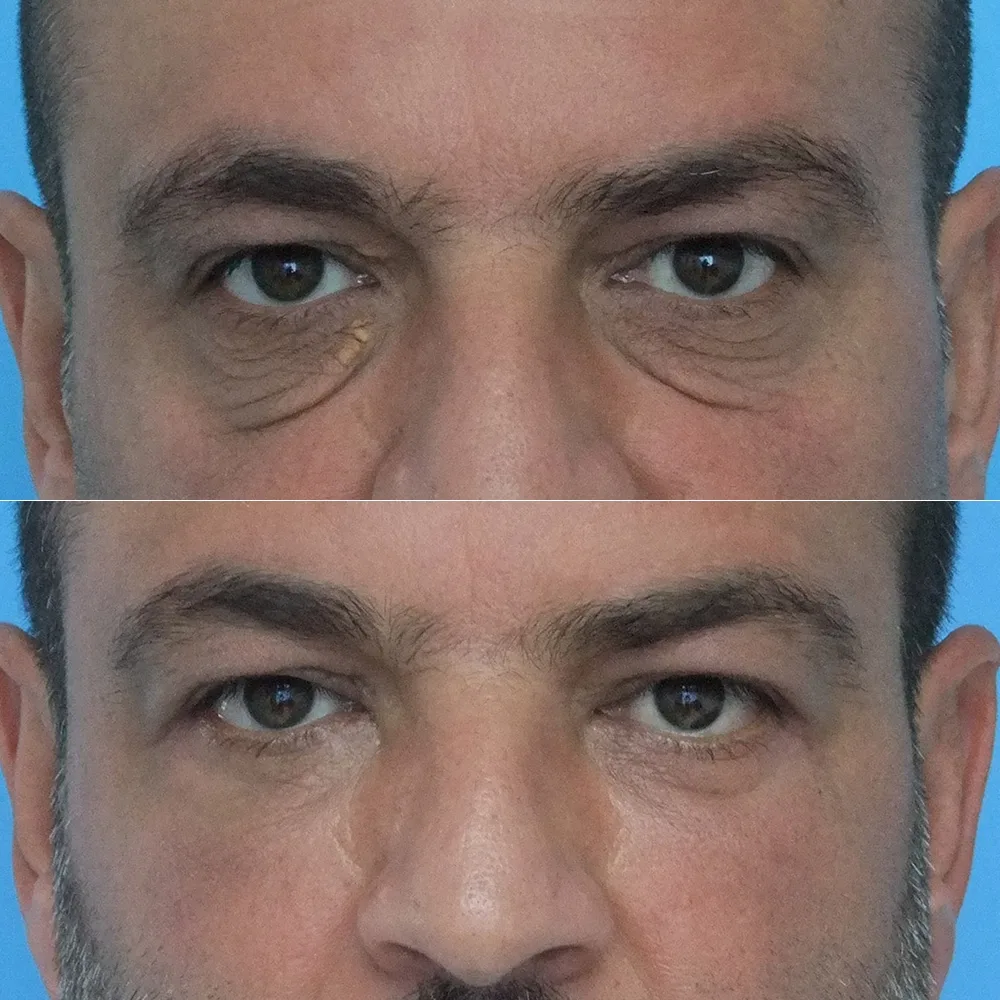
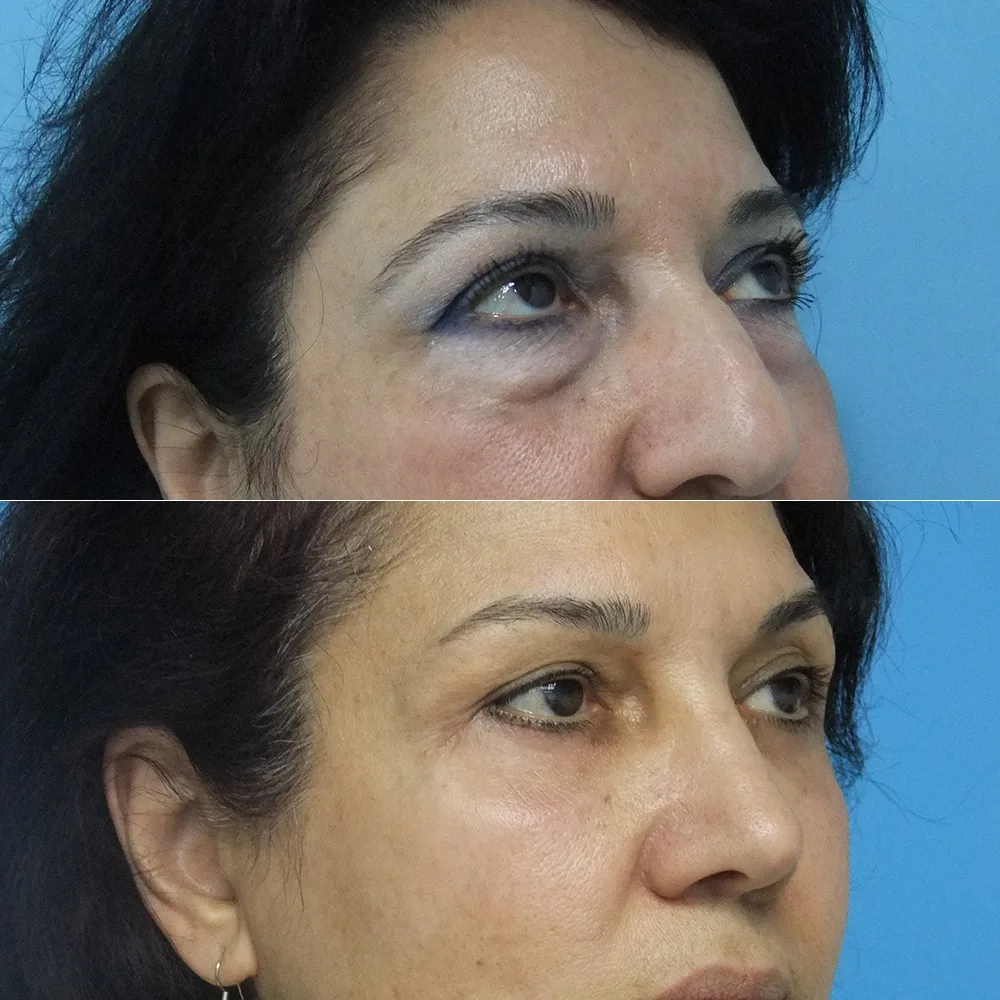
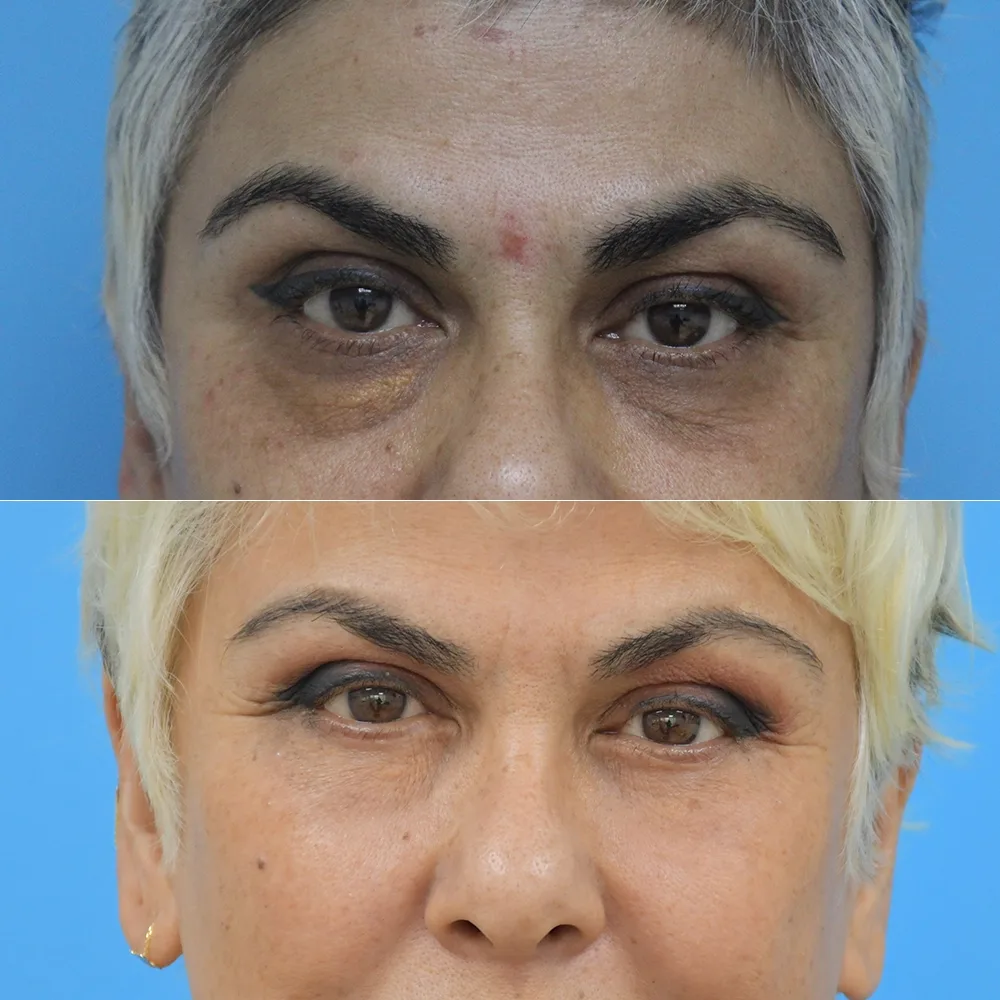
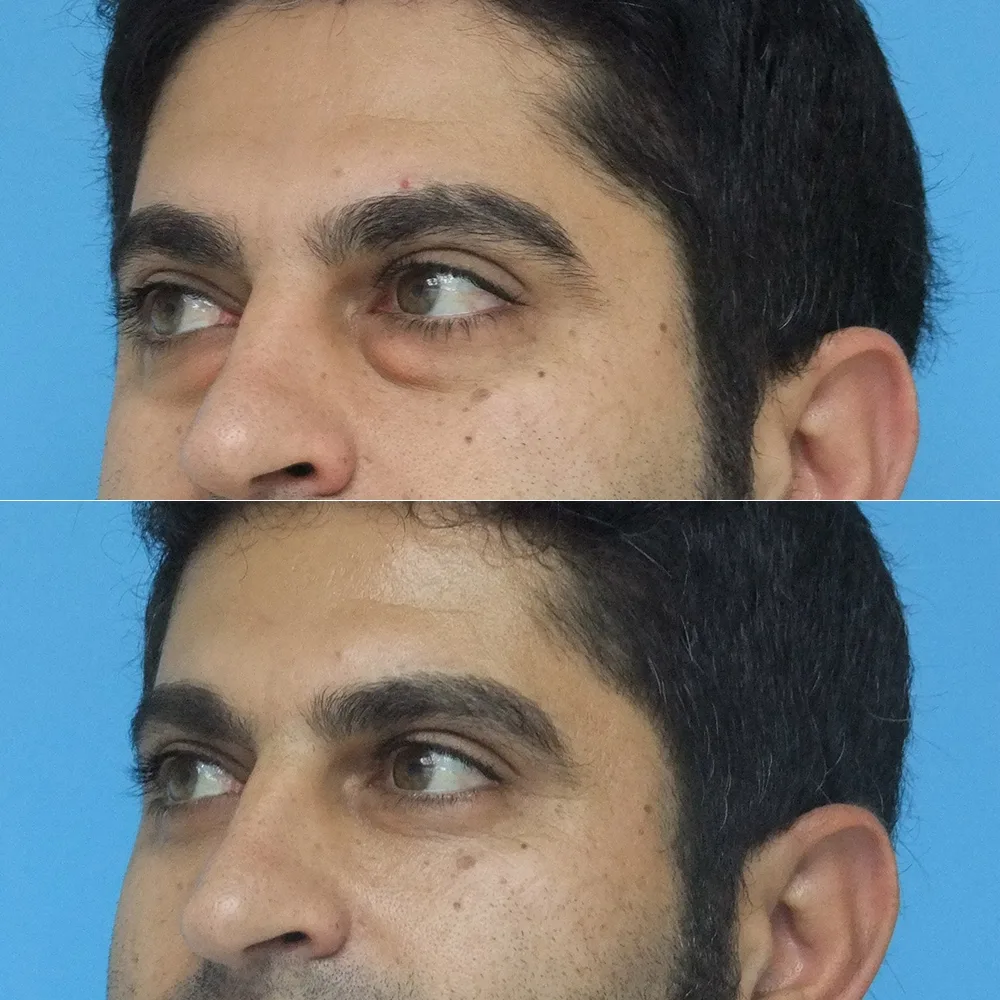
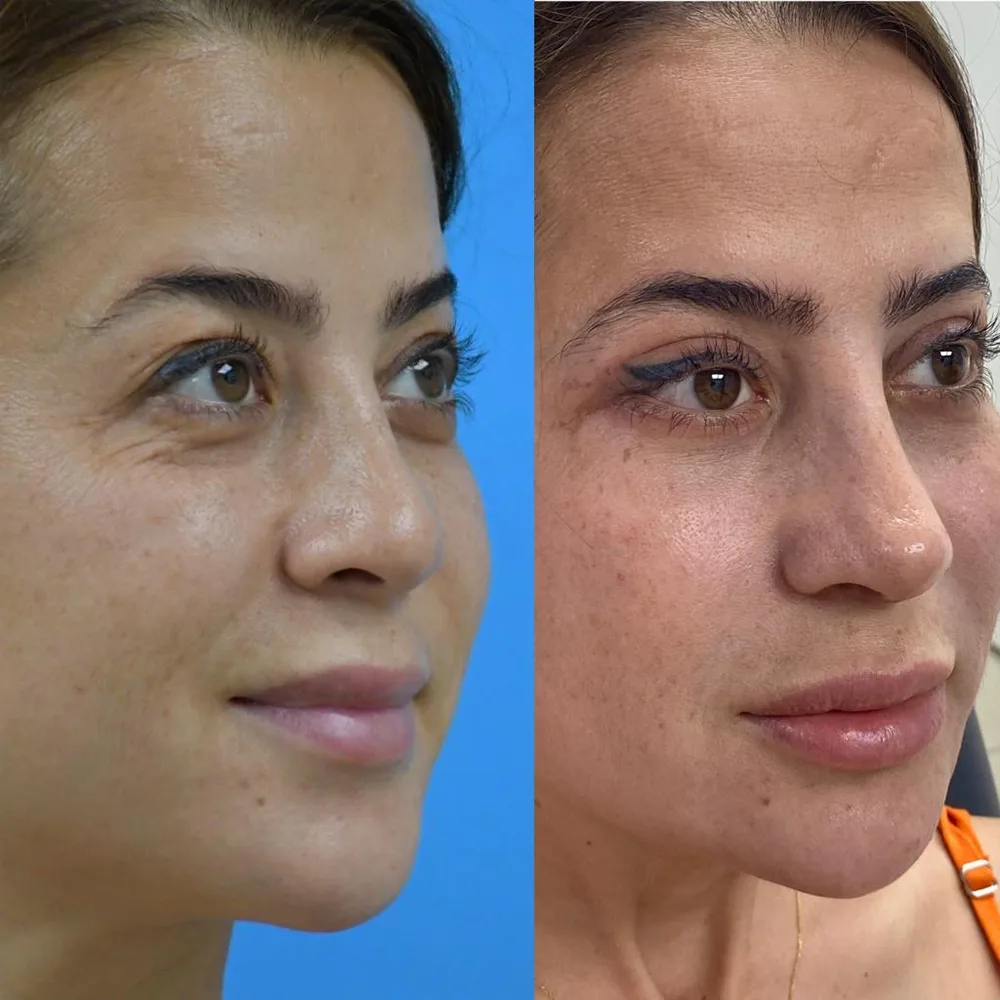
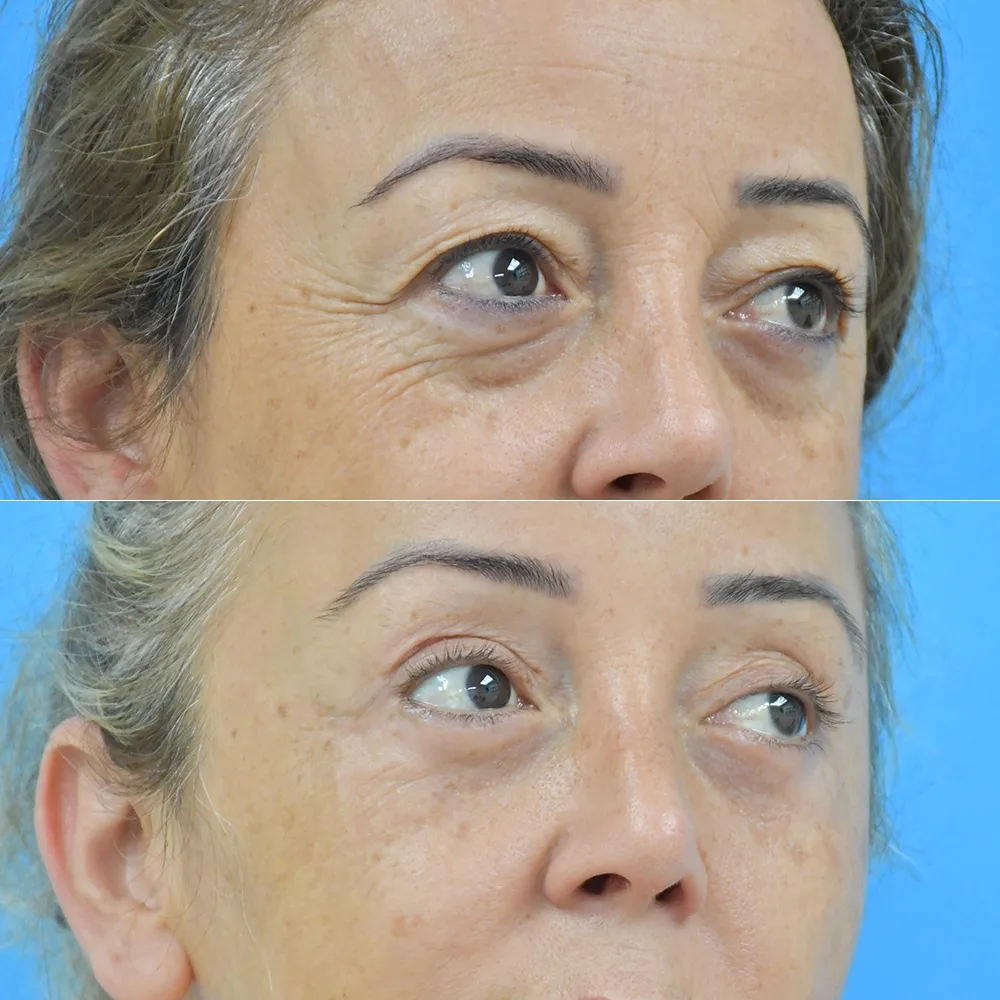
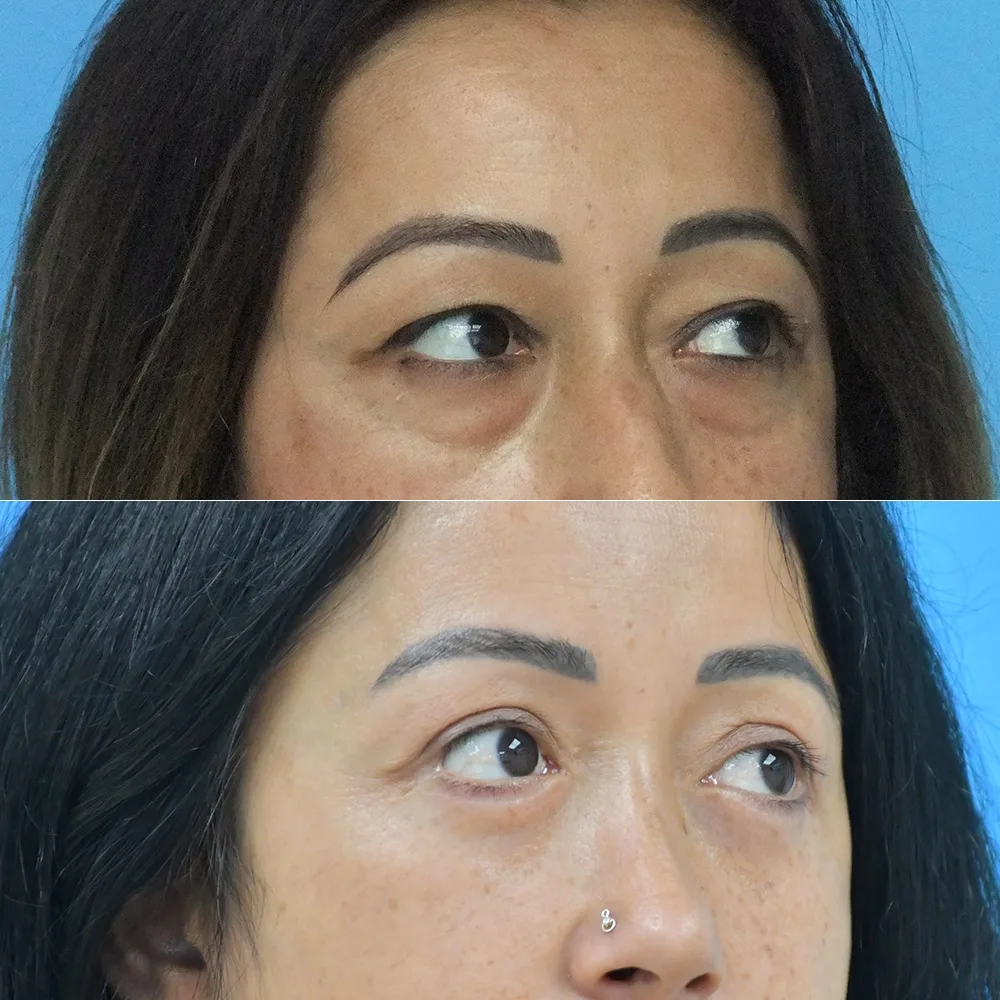
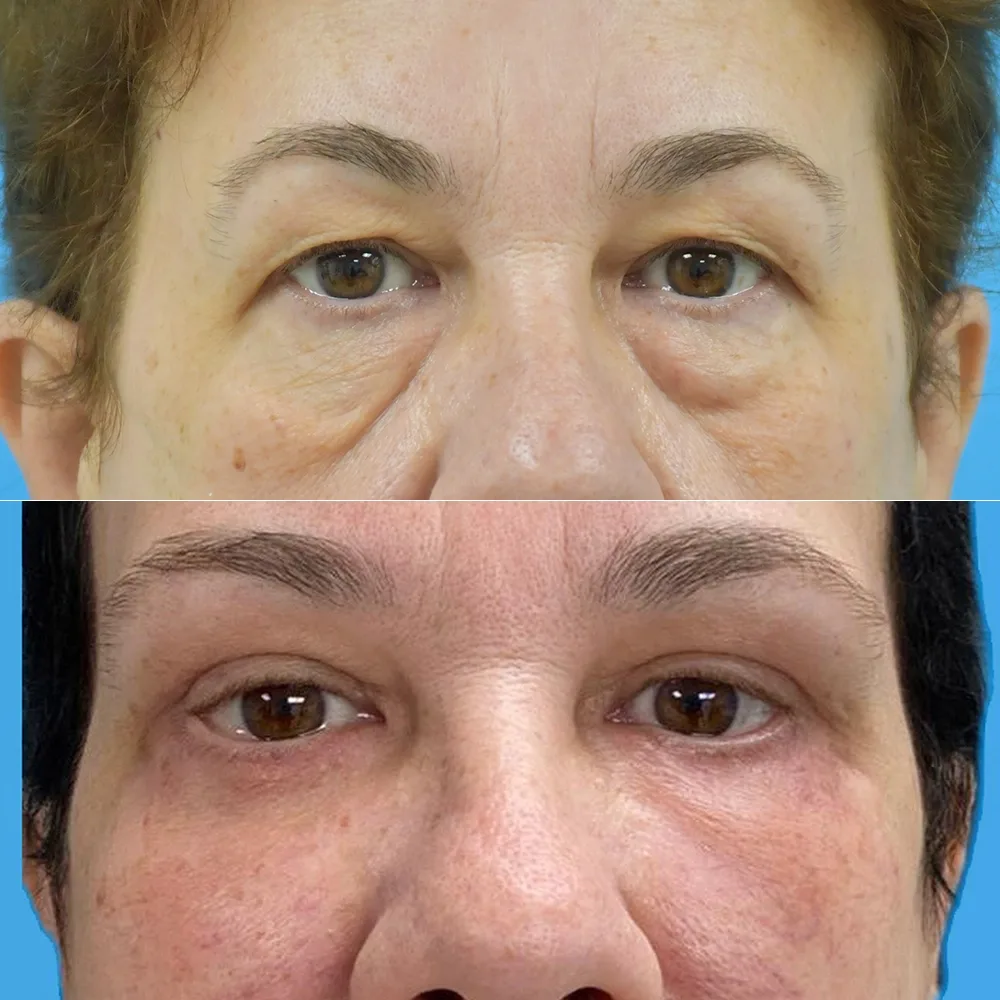
Eyelid surgery, or blepharoplasty, is a surgical procedure that may remove or reposition selected skin and fat around the upper or lower eyelids.

Information only Antalya
Quick answer

Eyelid surgery, or blepharoplasty, is a surgical procedure that may remove or reposition selected skin and fat around the upper or lower eyelids. Upper and lower eyelid concerns are assessed separately because they involve different anatomy, incision options and risks. Functional symptoms, dry-eye history and previous eye procedures are important parts of assessment.

At a Glance
  • Procedure focusUpper eyelid skin, lower eyelid skin, selected fat compartments and eyelid contour.
  • Upper eyelid accessCommonly through an incision placed within the natural upper-eyelid crease.
  • Lower eyelid accessMay be below the lash line or inside the eyelid, depending on whether skin removal is required.
  • Early recoveryBruising, swelling, watering, dryness, light sensitivity or temporary tightness can occur.
  • Important assessmentEye health, eyelid position, dry-eye symptoms and previous ophthalmic or facial surgery should be discussed.

What Is Eyelid Surgery?

Blepharoplasty is surgery of the upper eyelids, lower eyelids or both. Depending on anatomy, it can involve carefully selected skin removal, fat repositioning or reduction and support of surrounding structures. Because the eyelids protect the eyes, functional assessment is essential.

What May It Address?

Blepharoplasty may be considered for excess upper-eyelid skin, selected upper-eyelid fullness, lower-eyelid bags or certain contour changes around the eyes. Not every problem around the eye is caused by excess skin or fat: brow position, cheek support, eyelid laxity and eye-surface health can influence appearance and symptoms. A medical assessment is therefore needed before deciding which procedure, if any, is appropriate.

  • Excess upper-eyelid skin
  • Selected fat prominence in the upper or lower eyelids
  • Lower-eyelid bags or contour irregularities
  • Skin redundancy below the eyes in suitable cases
  • Functional upper-eyelid concerns when medically assessed

Who May Be Considered?

Assessment typically includes medical history, medication, smoking status, vision-related history, dry-eye symptoms, eyelid closure, lower-lid tone, brow position and previous surgery. People with uncontrolled eye-surface disease, certain medical conditions or factors that increase healing risk may require specialist evaluation before elective eyelid surgery is considered.

Before the Procedure: What Should Be Reviewed?

Before surgery is planned, the medical assessment should review factors that can change technique, safety or aftercare:

  • Eye symptoms such as dryness, irritation, glaucoma history or difficulty closing the eyes
  • Previous laser eye treatment, eyelid surgery, thyroid eye disease or contact-lens intolerance
  • Medicines and supplements that may influence bleeding or healing
  • A plan for prescribed eye drops, sunglasses and early follow-up after surgery

How Is the Procedure Performed? Step by Step

  1. Eye and eyelid assessment

    The healthcare professional evaluates eyelid anatomy, symmetry, brow position, skin excess, fat distribution and any symptoms such as dryness or visual obstruction.

  2. Marking and anaesthesia

    The planned skin removal or access points are marked conservatively. Anaesthesia is selected by the responsible medical team.

  3. Upper eyelid correction when planned

    An incision is usually placed in the natural upper-eyelid crease. Selected skin may be removed and fat can be preserved, repositioned or reduced according to the plan.

  4. Lower eyelid correction when planned

    Access may be just below the lash line or through the inner surface of the lower eyelid. Fat may be repositioned or reduced, and skin is removed only when indicated.

  5. Closure

    External incisions are closed with sutures or other appropriate methods. The lower-lid approach from inside the eyelid does not require an external skin incision.

  6. Early eye care

    Cold compresses, lubrication, medication and activity instructions may be provided. Follow-up checks eyelid position, wound healing and eye-surface symptoms.

Recovery Timeline

The eye area can look noticeably swollen or bruised during the first days. Improvement is progressive, and scar colour or firmness can take longer to settle than the initial bruising.

StageWhat may happen
First daysSwelling, bruising, watering, mild irritation, temporary blurred vision from ointment and light sensitivity can occur.
Around 1 weekExternal sutures may be removed when appropriate. Bruising generally starts to fade, although make-up or contact-lens timing must be approved individually.
Weeks 2–4Many people return gradually to routine activities, but strenuous exercise and rubbing the eyes may remain restricted.
Following monthsIncision lines continue to soften and fade. Mild residual swelling or altered sensation can take longer to resolve.

Possible Risks and Considerations

Because the eyelids protect the eyes, functional considerations are as important as cosmetic ones. Complications can range from temporary symptoms to rare serious problems.

  • Bleeding, infection or anaesthesia-related complications
  • Dryness, irritation or sensitivity to bright light
  • Difficulty closing the eyes fully
  • Lower-eyelid malposition such as ectropion or lid lag
  • Temporary numbness or altered sensation
  • Asymmetry or visible scarring
  • Temporary visual changes; serious vision complications are rare but require urgent attention
  • Need for additional treatment or revision surgery

Travelling to Turkey for the Procedure

International travel planning should allow time for early eyelid review and for management of unexpected swelling or eye symptoms. Air travel, contact-lens use, make-up and exercise should be resumed only according to medical advice. Travellers should carry prescribed eye medication in hand luggage and know where to seek urgent ophthalmic care if severe pain or sudden visual change occurs.

Travel & Aftercare Checklist

  • Tell the medical team about dry eye, glaucoma, thyroid eye disease or previous eye surgery
  • Bring a full medication and allergy list
  • Pack sunglasses and any prescribed eye lubrication
  • Avoid planning strenuous sightseeing during early recovery
  • Ask which eye symptoms require urgent medical attention

Who does what

We coordinate the journey around the procedure. Every medical step stays with the authorised facility and its healthcare professionals.

ScopeOrganisationHealth facility
Appointment coordinationYes—
Transfer and accommodationYes—
Interpreting during appointmentsYes—
Medical assessment, diagnosis and the procedure—Yes
Consent process and medical records—Yes
Aftercare and follow-up—Yes

Frequently Asked Questions

No. The anatomy, incision options and goals differ. Upper and lower eyelids should be assessed separately.
Bruising usually improves over the first one to two weeks, although the pace of recovery varies between individuals.
Not all dark circles are caused by eyelid skin or fat. Pigmentation, vascular visibility, tear-trough anatomy and shadowing may require different assessment.
There is no fixed rule for everyone. Flight timing should be confirmed by the healthcare professional responsible for the procedure.
Coordination experience

What Patients Say About the Coordination

These accounts describe the coordination and travel experience only — pickup, communication, interpreting and scheduling. In line with regulation, they do not discuss medical treatment or results.

4.9 Google reviews
Next step

Considering eyelid surgery?

Request information and a coordinator will forward it, with your consent, to a partner facility — a physician there decides what, if anything, is appropriate.

This form is not for medical emergencies.

Eyelid Surgery in Turkey | HN Health Turkey