

İçeriğe atla
Facial aesthetics

Endoscopic Midface Lift (Ponytail Lift) in Turkey

An endoscopic midface lift uses small access incisions and an endoscope to help reposition selected tissues of the cheek and upper or midface.

Information only Antalya
Quick answer

An endoscopic midface lift uses small access incisions and an endoscope to help reposition selected tissues of the cheek and upper or midface. “Ponytail Lift” is a term used in published literature and in aesthetic practice for certain endoscopic facial rejuvenation approaches, but it does not describe one identical operation in every setting. The exact anatomical targets must be clarified during assessment.

At a Glance
  • Procedure focusSelected midface and cheek descent, sometimes combined with brow or other upper-face lifting.
  • AccessSmall scalp or temporal incisions may be used, with endoscopic visualisation.
  • Terminology“Ponytail Lift” can refer to different combinations of endoscopic facial lifting; the actual surgical components should be specified.
  • Early recoverySwelling, bruising, scalp tightness and temporary numbness can occur.
  • Planning pointIt is not automatically a substitute for a traditional facelift or neck lift when lower-face or neck laxity is substantial.

What Is Endoscopic Midface Lift (Ponytail Lift)?

An endoscopic midface lift uses an endoscope and limited access incisions to visualise and reposition selected deeper facial tissues. “Ponytail Lift” is a term used for certain endoscopic rejuvenation strategies, but the components can vary. Patients should therefore understand the actual anatomy and operative steps rather than relying on the name alone.

What May It Address?

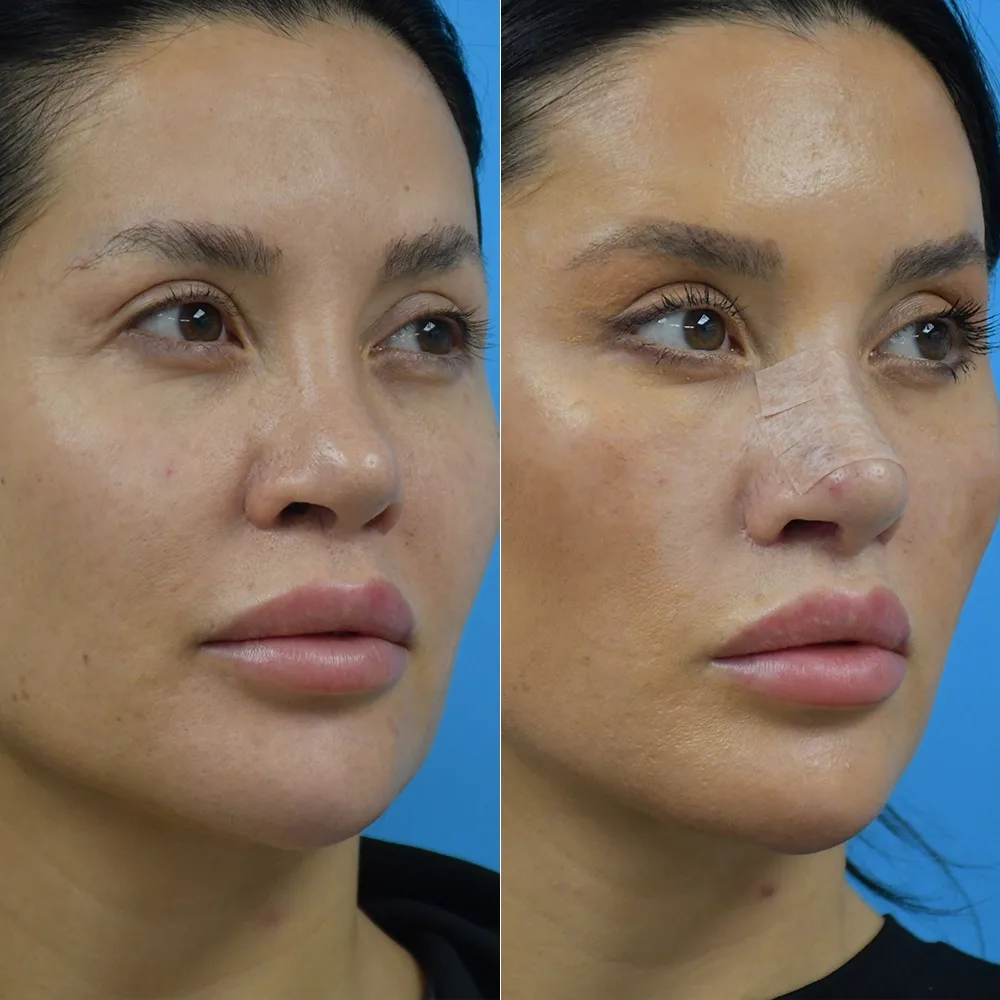
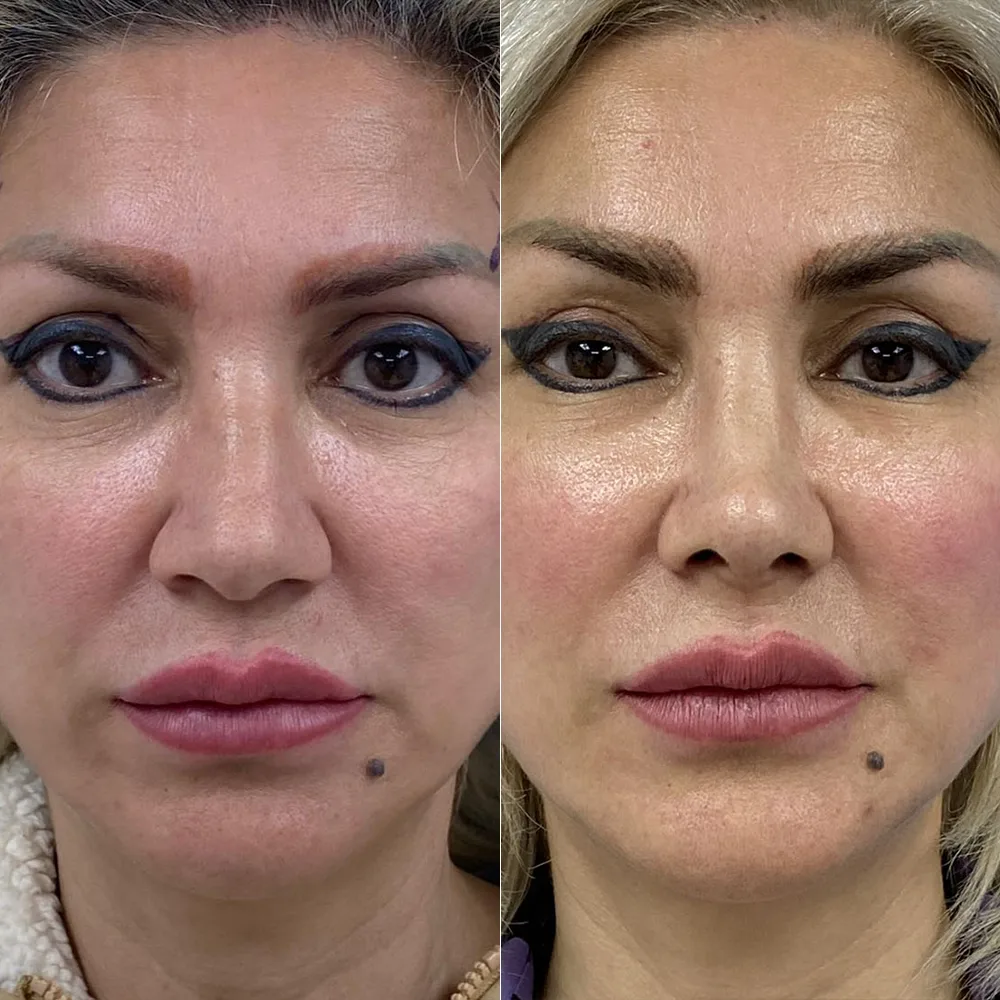
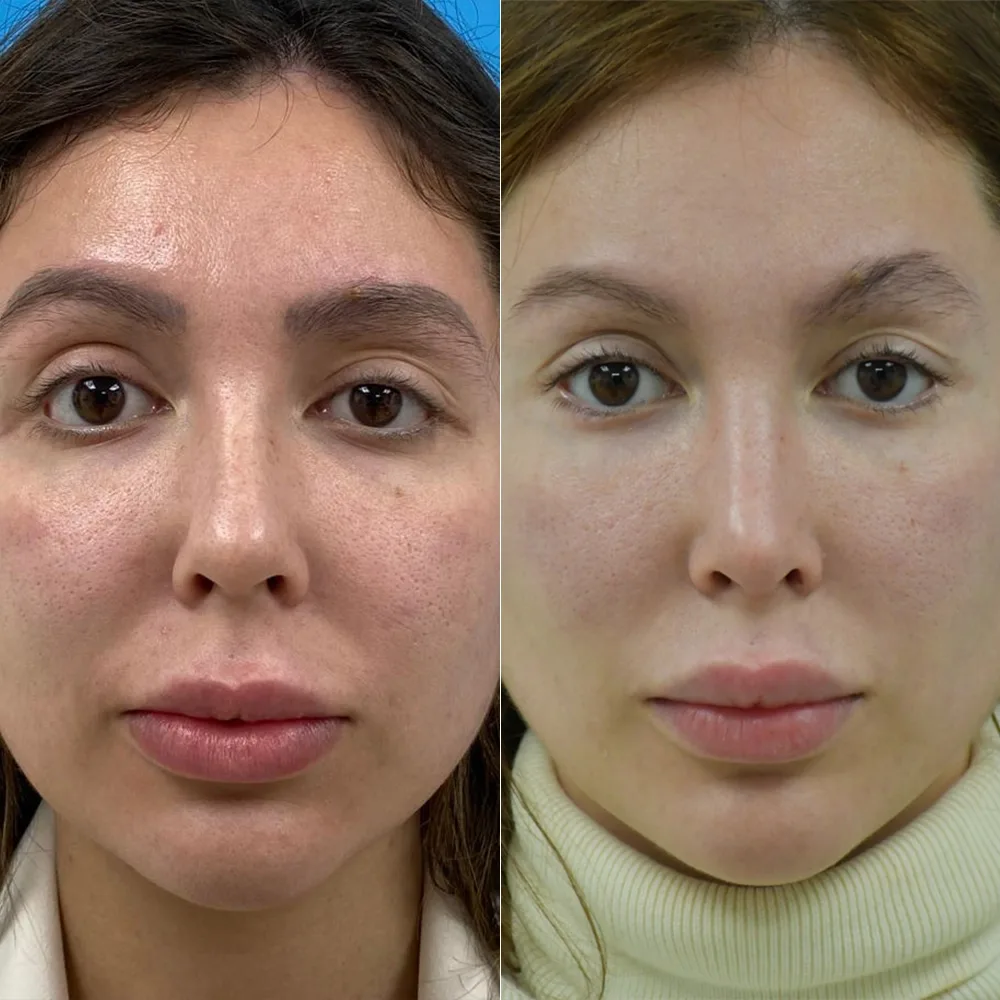
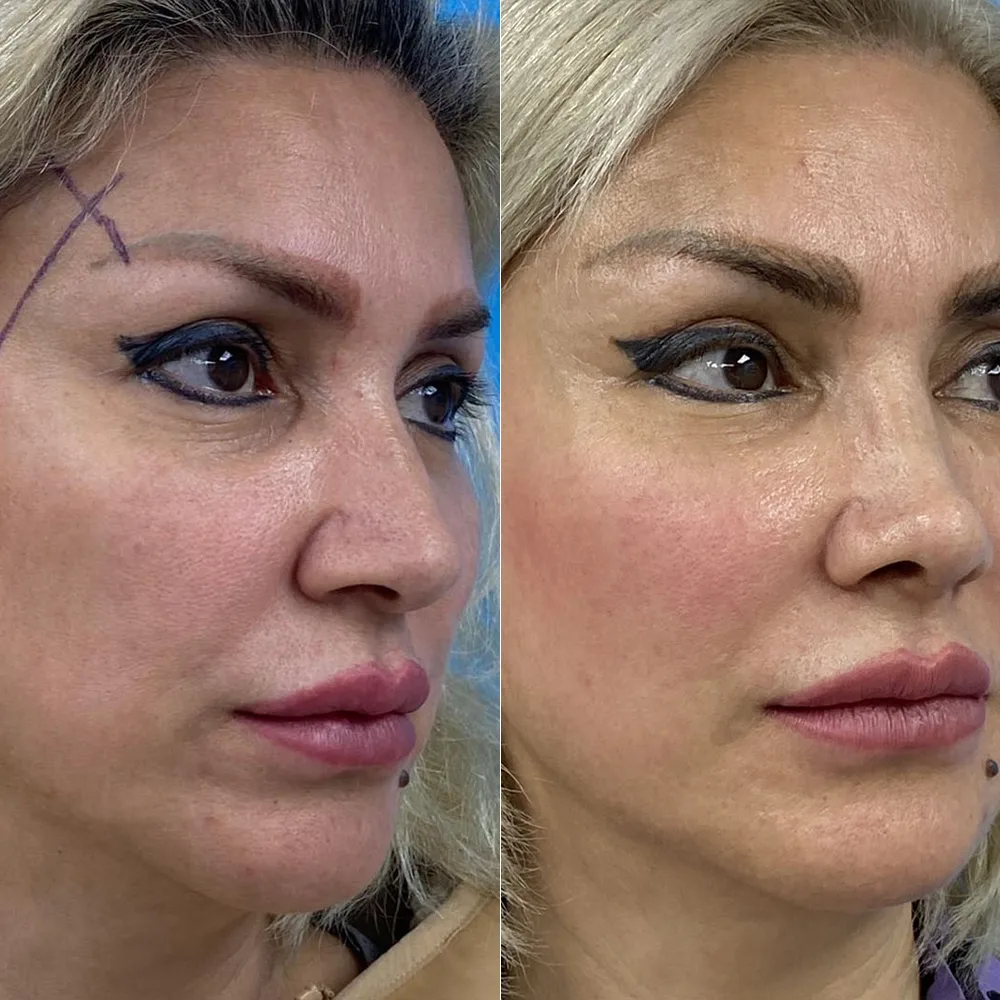
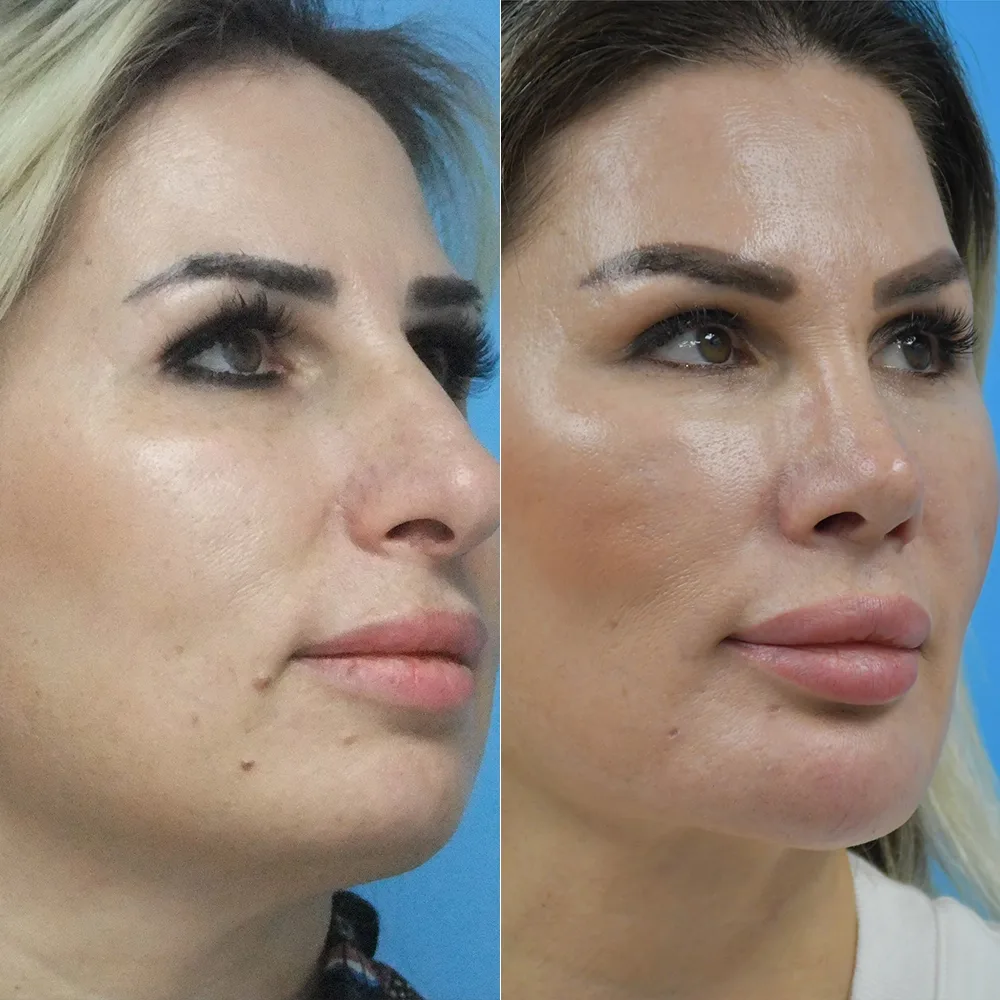
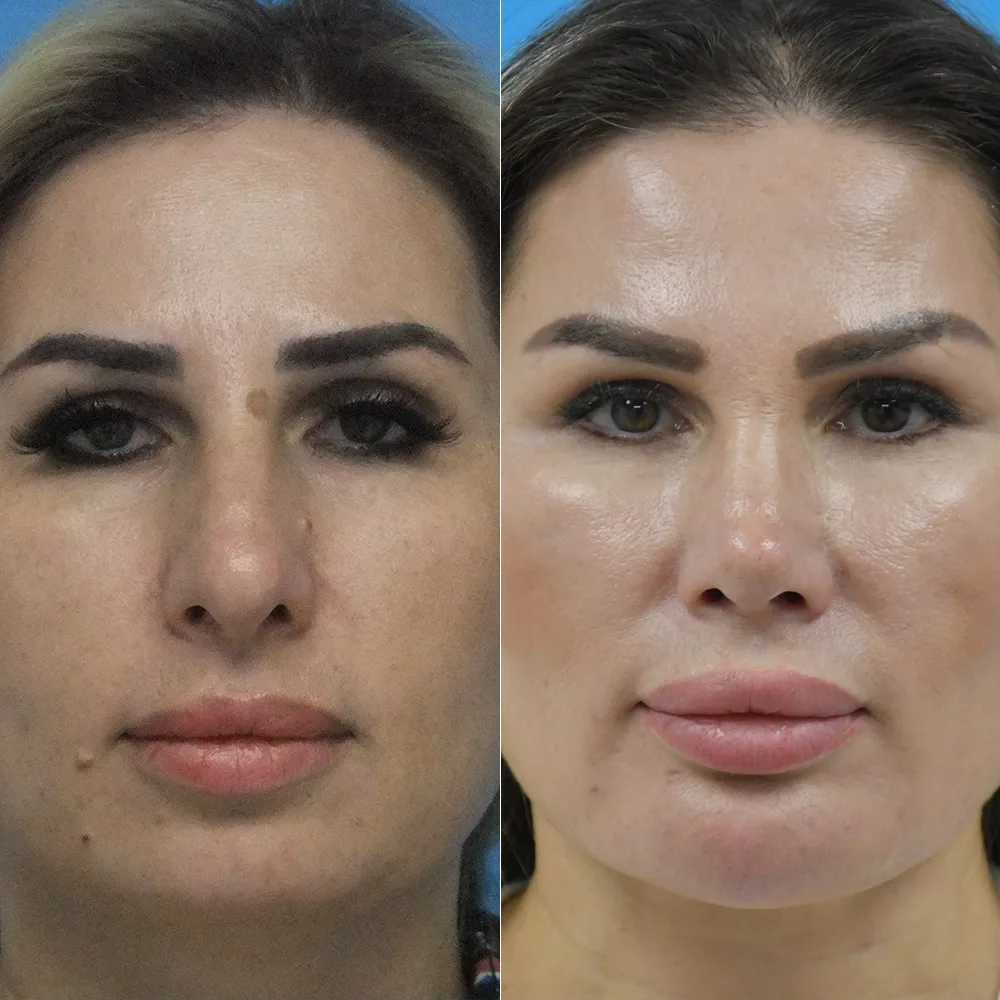
Endoscopic midface lifting is designed to elevate selected cheek and midface tissues through relatively small access points. It may be considered when midface descent contributes to flattening of the cheek, deeper eyelid–cheek transitions or selected upper-face changes. Some published “Ponytail” approaches combine endoscopic brow, temple and midface lifting; broader operations may add other facial or neck procedures. Because terminology varies, patients should ask what structures will actually be released, repositioned and fixed.

  • Selected cheek or malar soft-tissue descent
  • Changes at the lower-eyelid–cheek junction
  • Upper or midface descent suitable for endoscopic access
  • Selected brow or temple concerns when included in the operative plan
  • Facial rejuvenation goals that do not necessarily require a full traditional facelift incision pattern

Who May Be Considered?

Suitability depends on the distribution and severity of facial ageing, hairline and scalp characteristics, eyelid support, previous surgery, facial nerve anatomy, general health, smoking status and expectations. If the main concern is heavy jowling, marked loose neck skin or significant lower-face laxity, another facelift or neck-lift strategy may be more appropriate.

Before the Procedure: What Should Be Reviewed?

Before surgery is planned, the medical assessment should review factors that can change technique, safety or aftercare:

  • Which facial zones are actually included in the plan rather than relying on the “Ponytail Lift” label
  • Previous fillers, threads, implants or facial operations that may affect tissue planes
  • Hairline and scalp factors relevant to the location of endoscopic access incisions
  • Whether lower-face or neck laxity requires a different or additional procedure

How Is the Procedure Performed? Step by Step

  1. Facial assessment and scope definition

    The healthcare professional identifies whether the main issue is brow, temple, midface, lower face or neck. The exact meaning of “Ponytail Lift” for that surgical plan should be documented.

  2. Anaesthesia and preparation

    Anaesthesia is selected by the responsible team. Small incision locations are marked within hair-bearing areas where possible.

  3. Endoscopic access

    Small scalp or temporal incisions allow insertion of an endoscope and instruments. The endoscope provides visualisation of deeper structures through limited access points.

  4. Tissue release

    Selected retaining tissues may be released in the chosen plane so that the cheek or midface can be repositioned safely.

  5. Elevation and fixation

    Mobilised tissues are elevated and secured to stable structures. The direction and amount of lift are determined by anatomy and the targeted region.

  6. Closure and follow-up

    Incisions are closed, and early review checks swelling, scalp wounds, facial movement, eye symptoms and symmetry.

Recovery Timeline

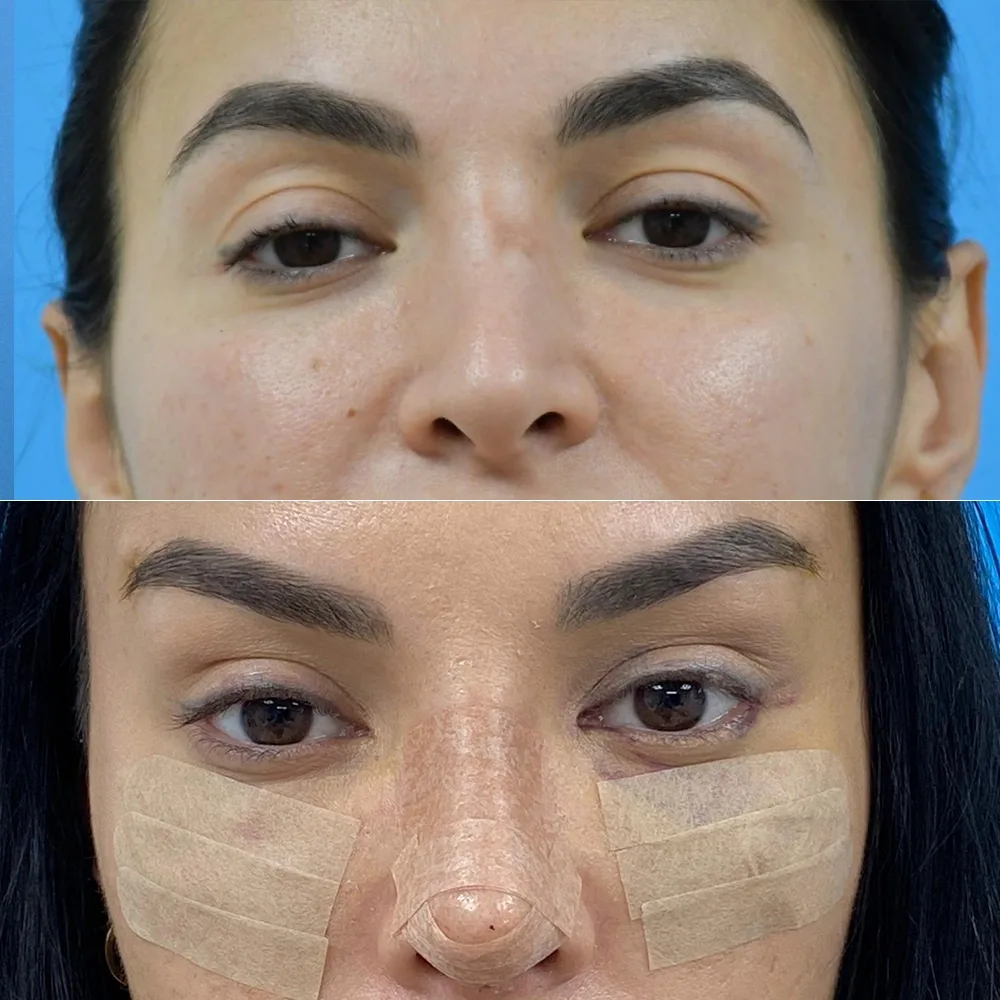
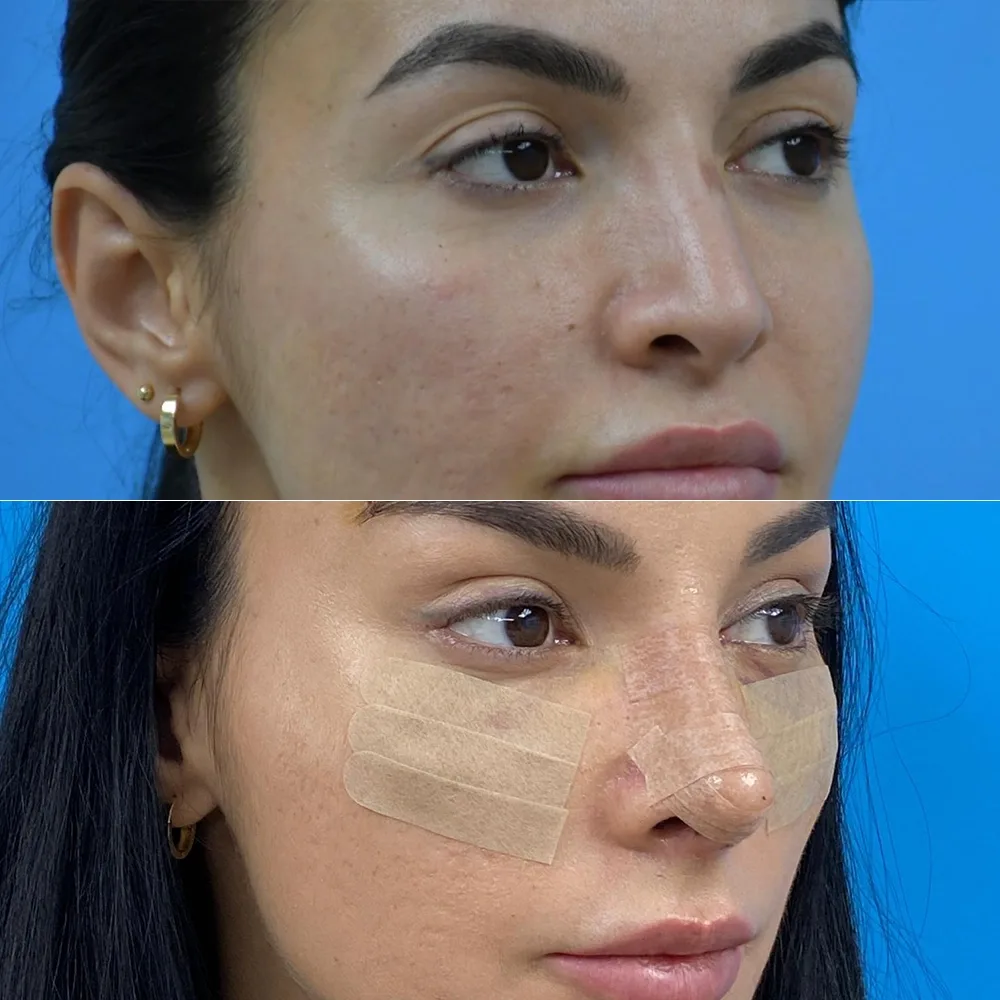
Smaller incisions do not mean there is no recovery. Deep tissue repositioning can still cause significant swelling, bruising and temporary altered sensation.

StageWhat may happen
First daysSwelling, bruising, scalp tightness and facial tenderness can occur. Head elevation and activity restrictions may be advised.
First 1–2 weeksScalp incision sites are reviewed. Visible bruising often improves, while cheek swelling may remain.
Weeks 3–6Routine activity is gradually resumed if healing is uncomplicated. Temporary numbness or firmness may persist.
Following monthsDeep tissues continue to settle and scars hidden within the hair mature over time.

Possible Risks and Considerations

Potential risks depend on the exact endoscopic procedure and any combined operations.

  • Bleeding, infection or anaesthesia-related complications
  • Temporary or persistent numbness or altered scalp sensation
  • Facial nerve weakness or asymmetry
  • Hair loss around access incisions
  • Prolonged swelling or contour irregularity
  • Eyelid or brow asymmetry when those areas are involved
  • Visible or unfavourable scarring
  • Need for additional or revision surgery

Travelling to Turkey for the Procedure

International visitors should schedule travel around the actual extent of surgery, not the marketing name. Even with small incisions, early medical review is needed. Long-haul flights, luggage lifting and strenuous sightseeing may not be appropriate immediately after surgery, and the responsible healthcare professional should approve the return journey.

Travel & Aftercare Checklist

  • Ask which areas are included: brow, temple, midface, lower face or neck
  • Clarify incision locations and fixation method
  • Report previous facial surgery, threads, fillers or implants
  • Plan for swelling even if the incisions are small
  • Confirm a contact pathway for post-operative questions after travelling home

Who does what

We coordinate the journey around the procedure. Every medical step stays with the authorised facility and its healthcare professionals.

ScopeOrganisationHealth facility
Appointment coordinationYes—
Transfer and accommodationYes—
Interpreting during appointmentsYes—
Medical assessment, diagnosis and the procedure—Yes
Consent process and medical records—Yes
Aftercare and follow-up—Yes

Frequently Asked Questions

The term is used for different endoscopic facial rejuvenation combinations. The specific anatomical areas and steps should be clarified before surgery.
Endoscopic approaches use smaller access incisions, often within hair-bearing areas, but any incision can leave a permanent scar.
Not in every case. Significant jowling, neck laxity or other lower-face concerns may require a different or additional procedure.
The timing depends on the extent of surgery, early healing and flight duration. The responsible healthcare professional should approve travel.
Coordination experience

What Patients Say About the Coordination

These accounts describe the coordination and travel experience only — pickup, communication, interpreting and scheduling. In line with regulation, they do not discuss medical treatment or results.

4.9 Google reviews
Next step

Considering endoscopic Midface Lift (Ponytail Lift)?

Request information and a coordinator will forward it, with your consent, to a partner facility — a physician there decides what, if anything, is appropriate.

This form is not for medical emergencies.