

İçeriğe atla
Facial aesthetics

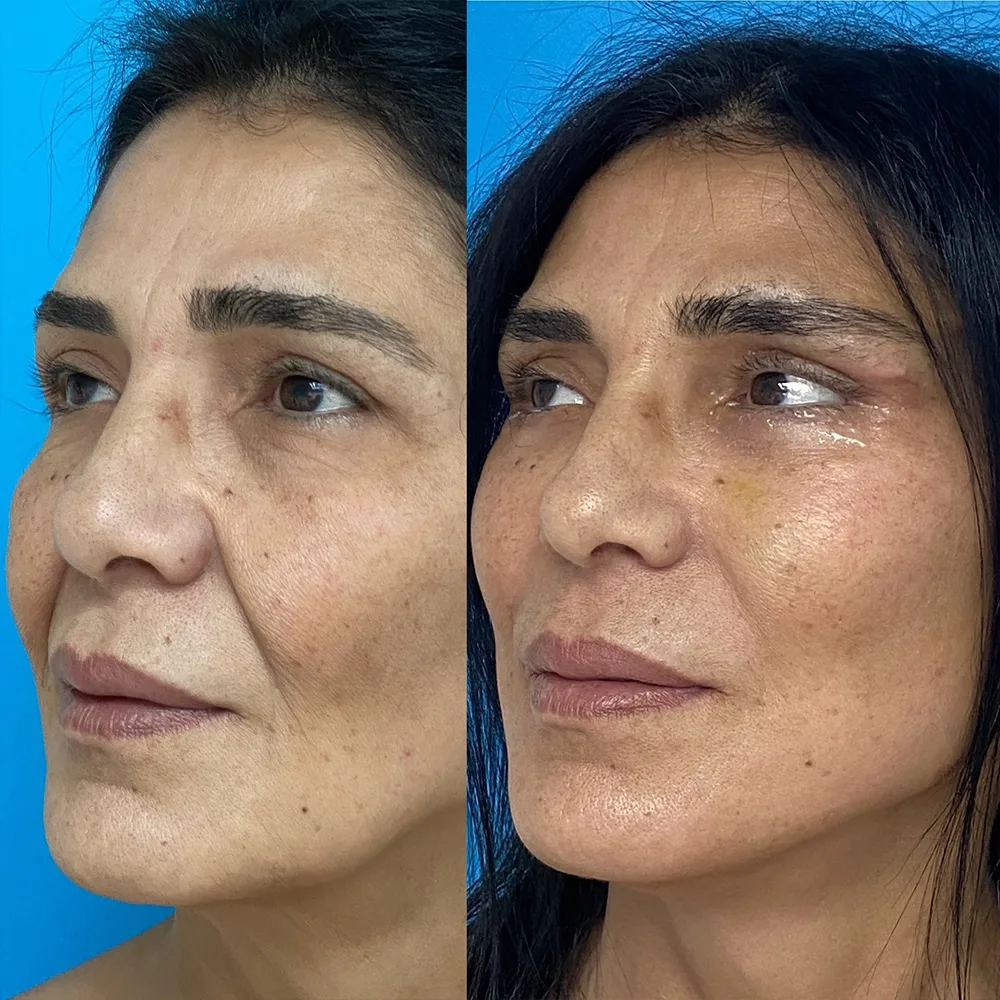
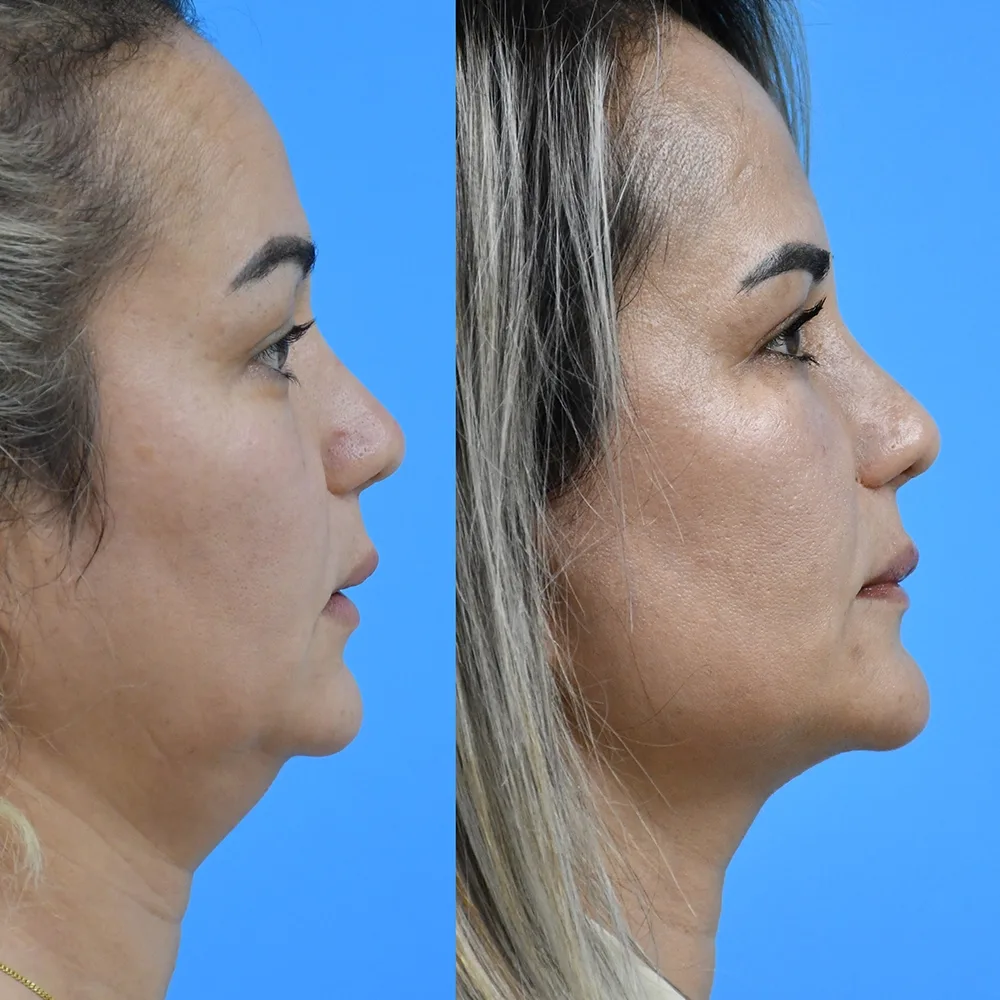
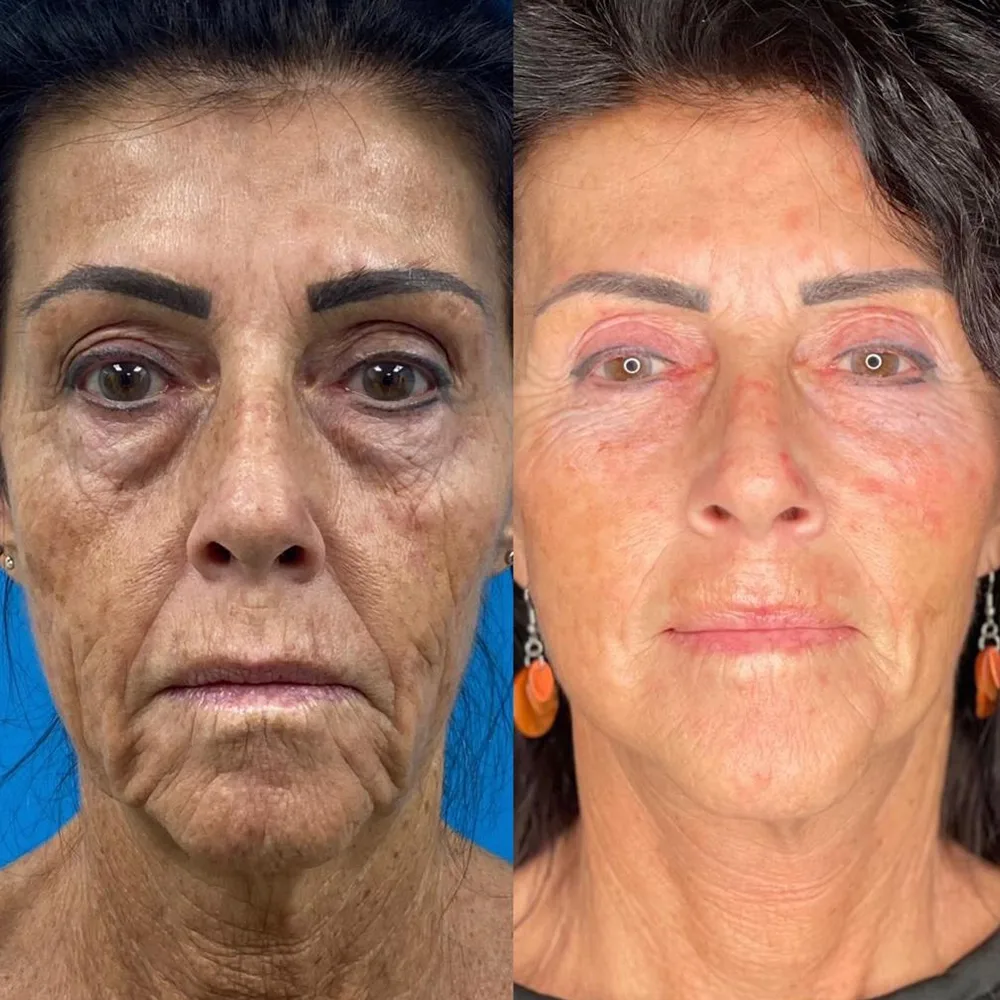
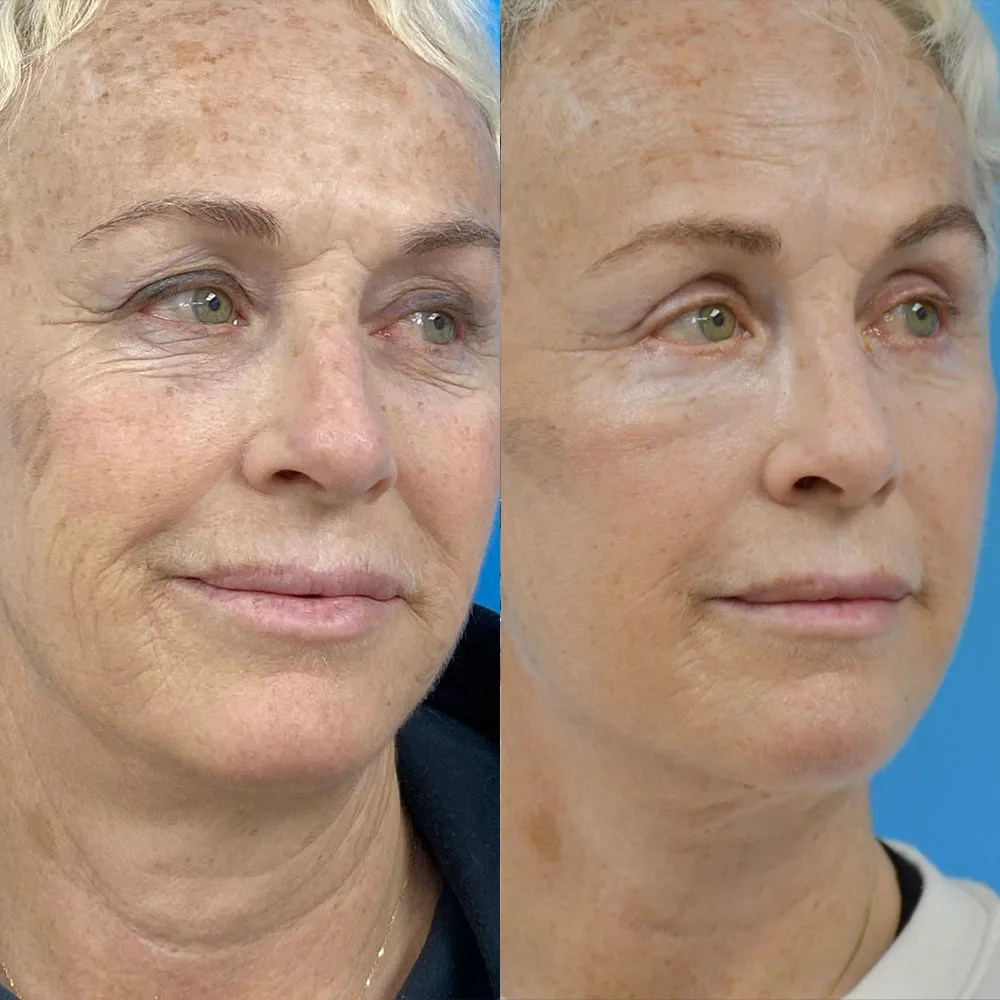
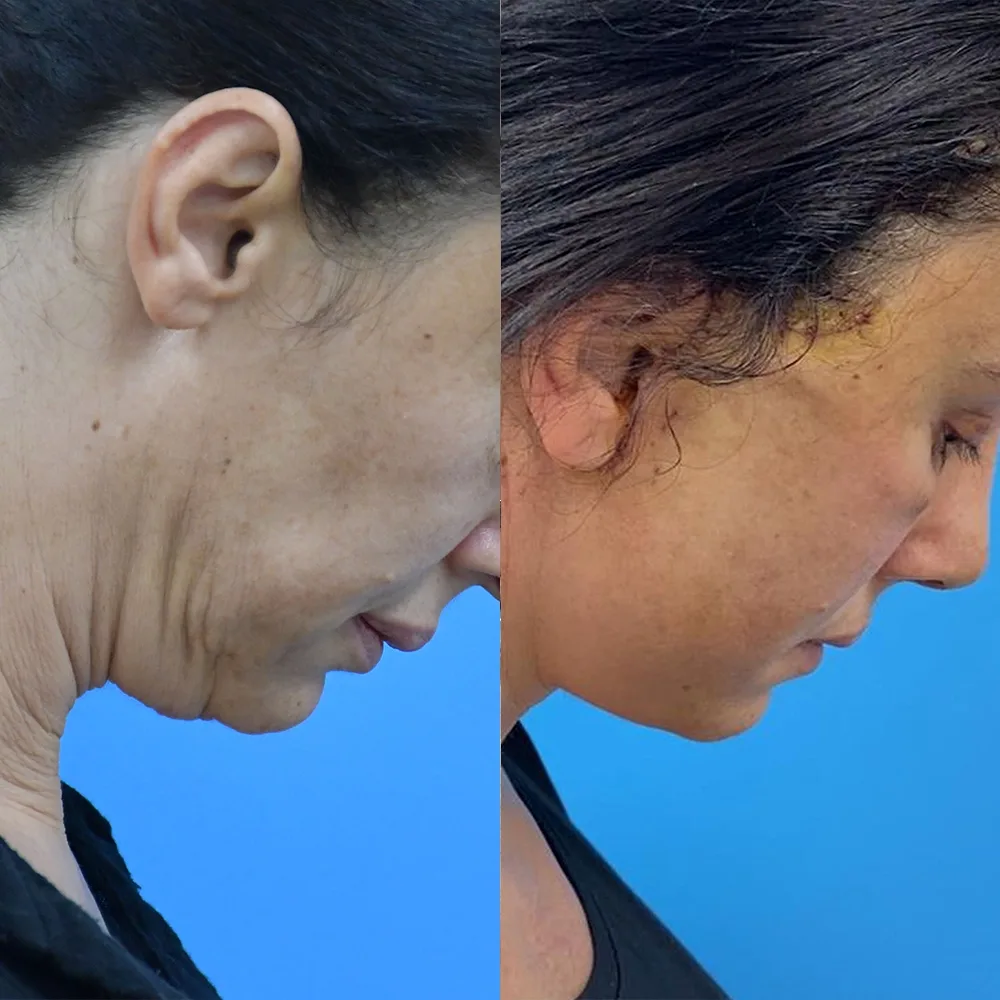
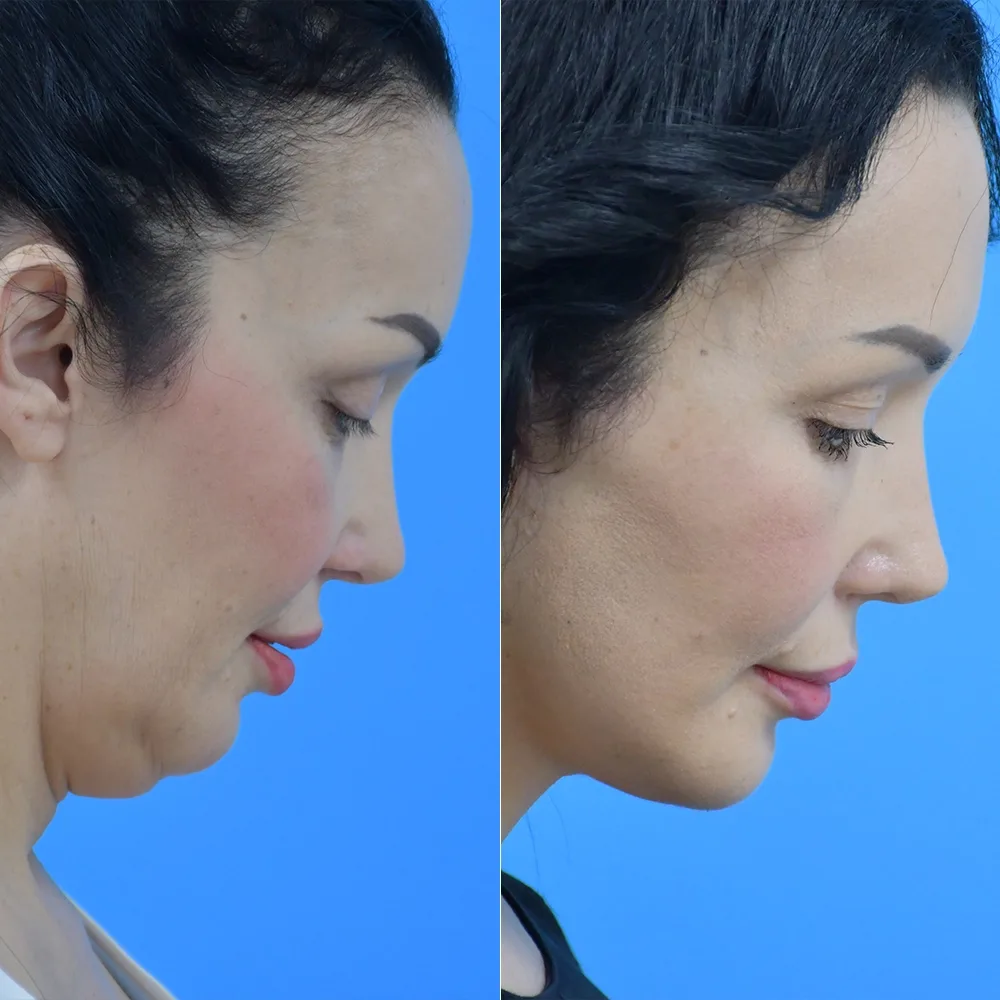
Deep Plane Facelift & Necklift in Turkey

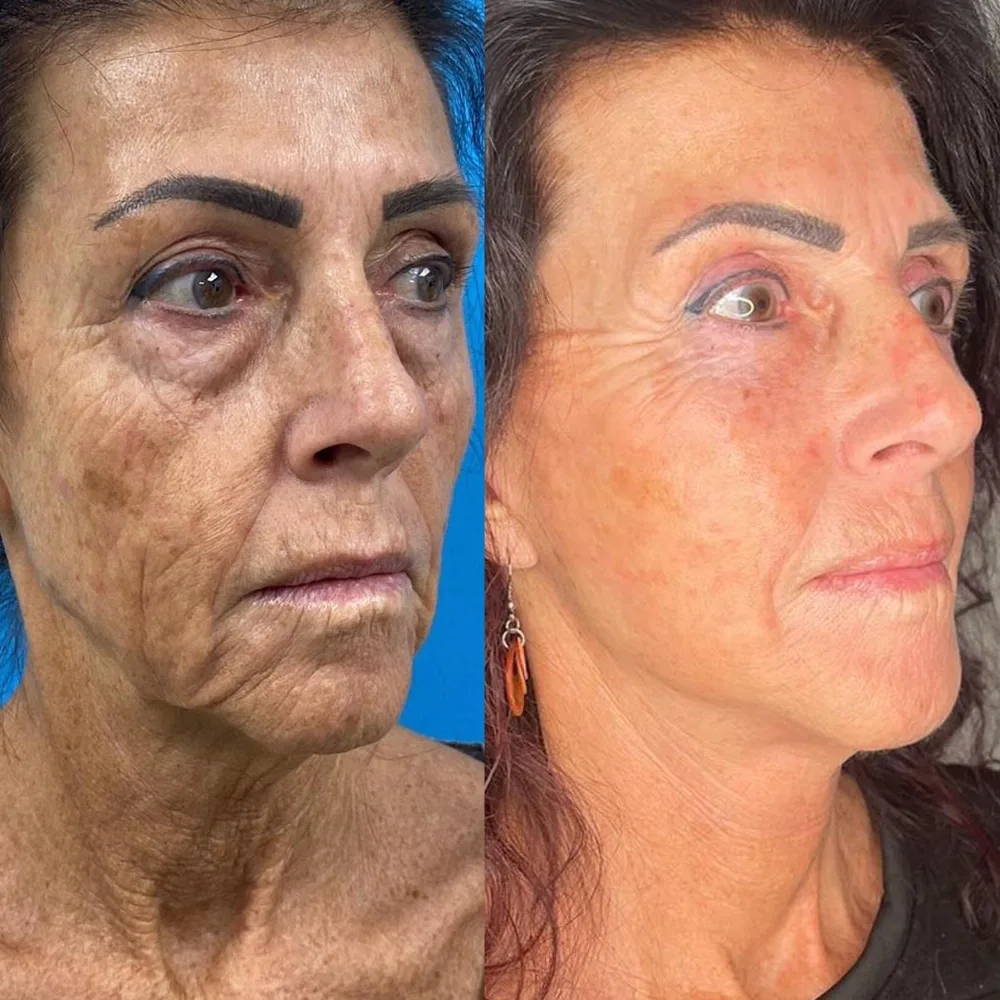
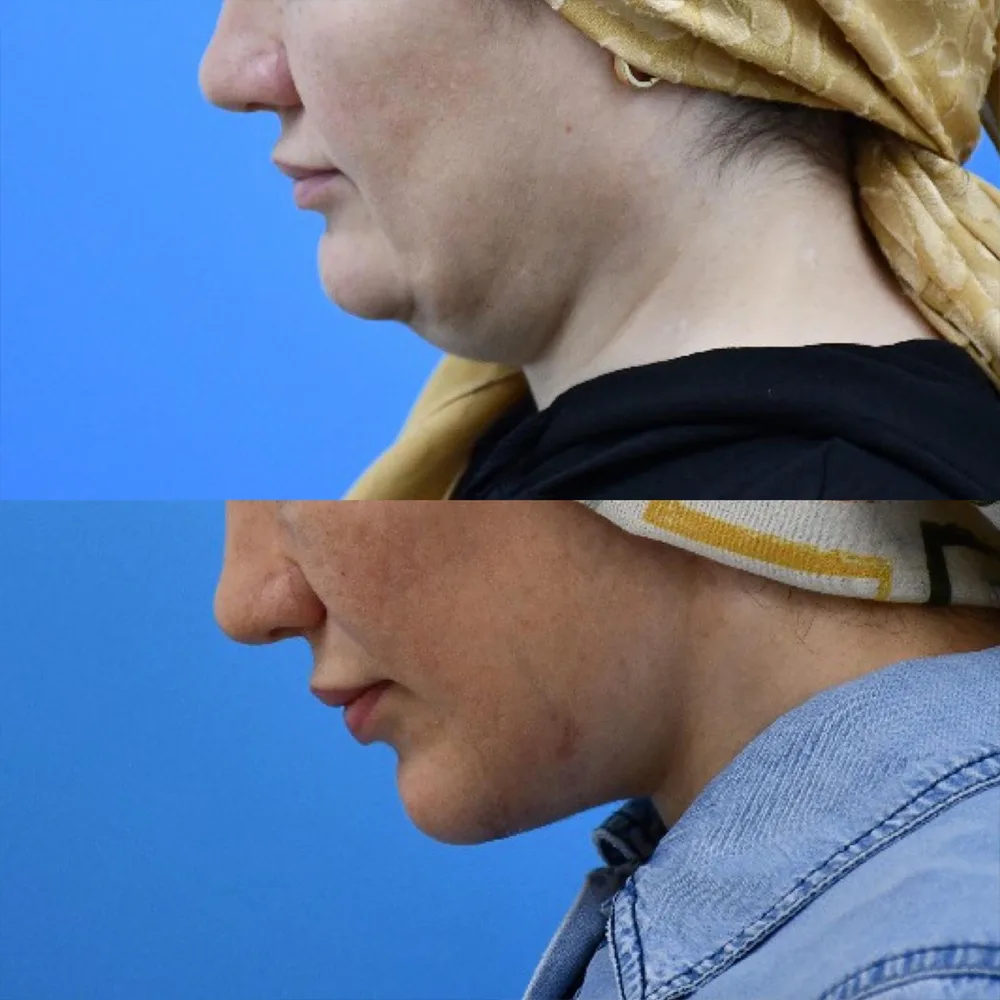
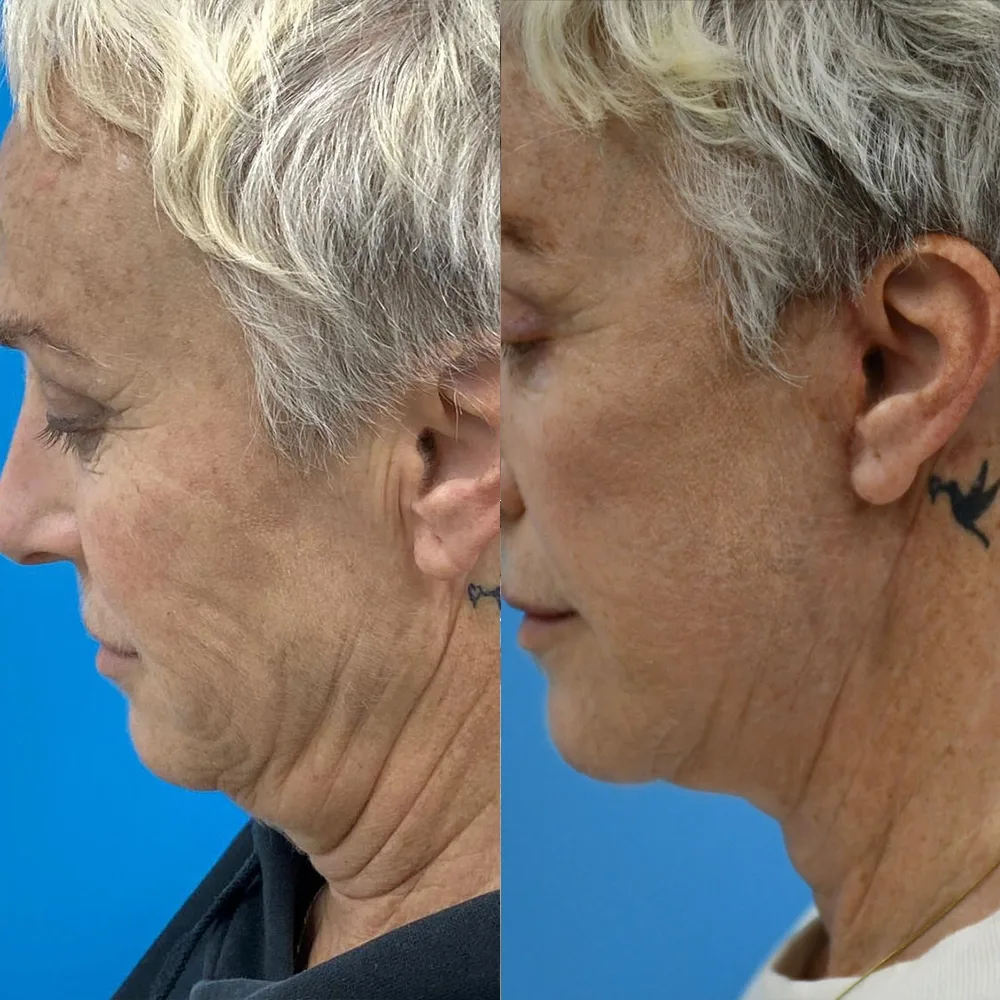
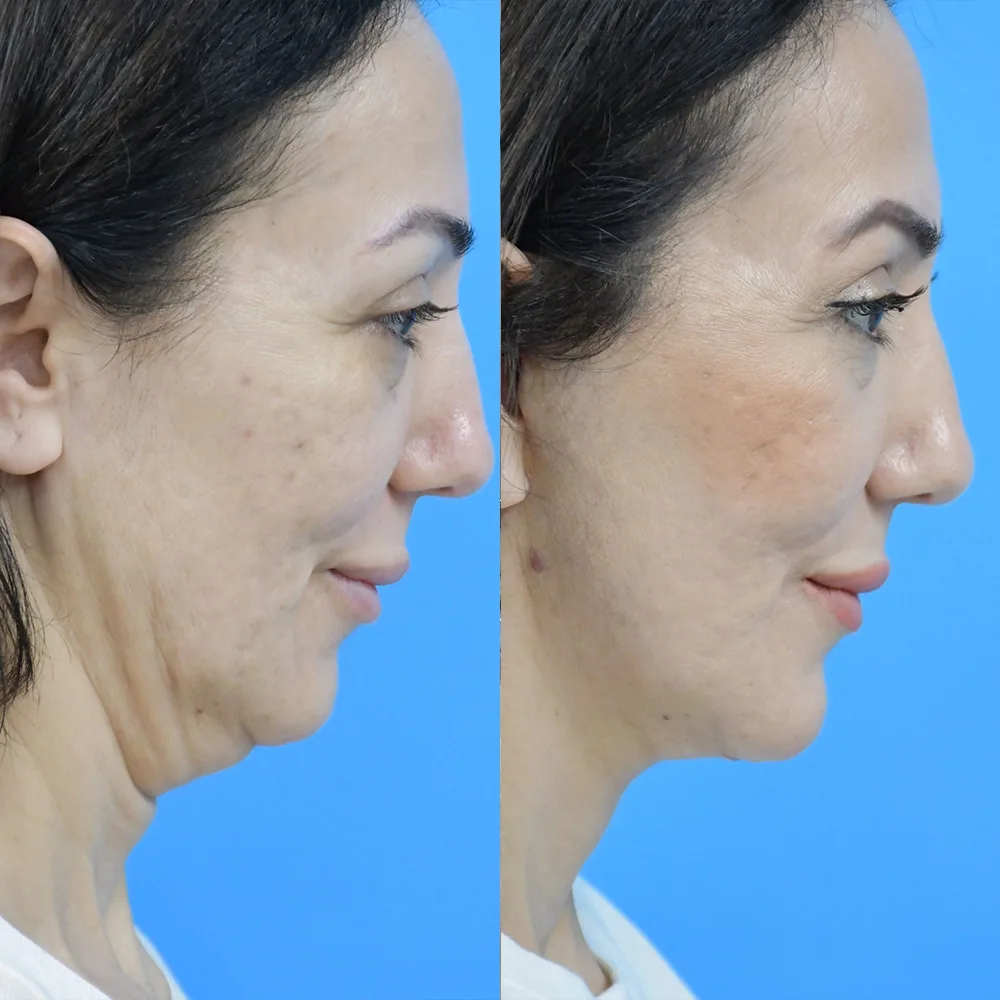
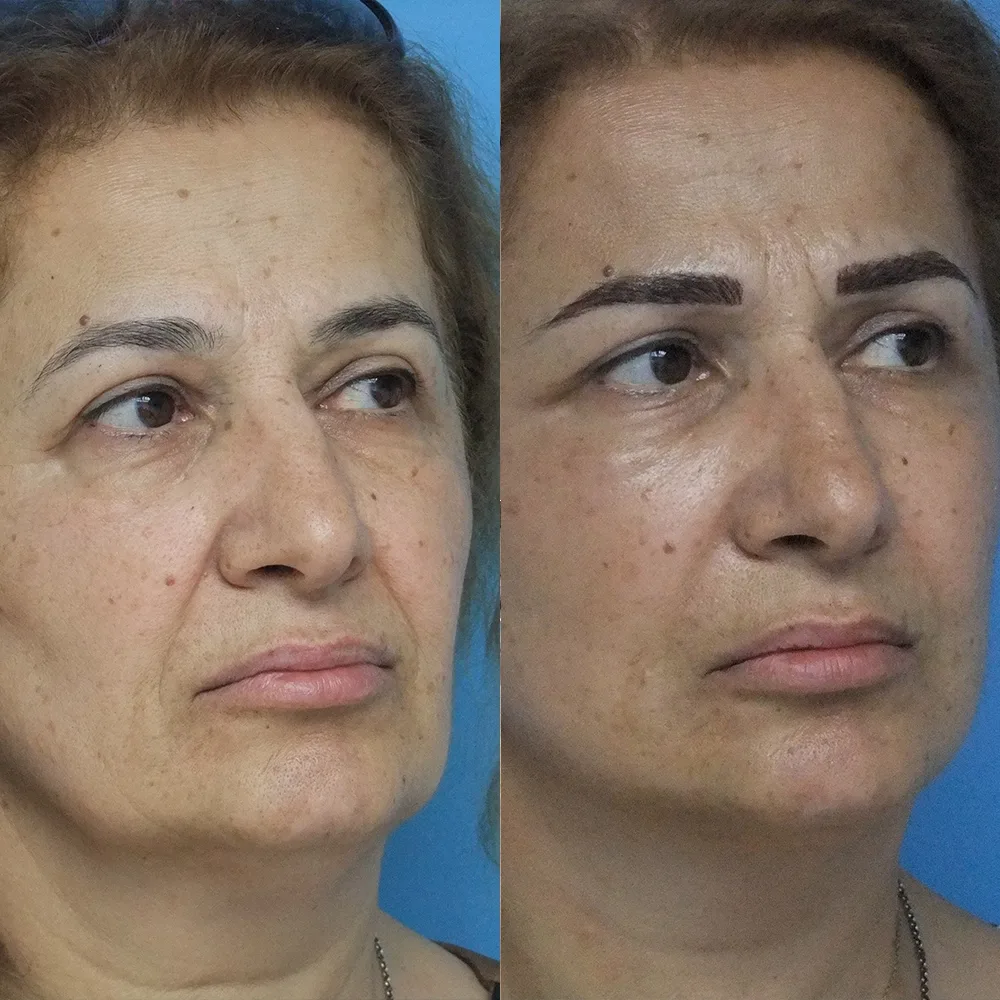
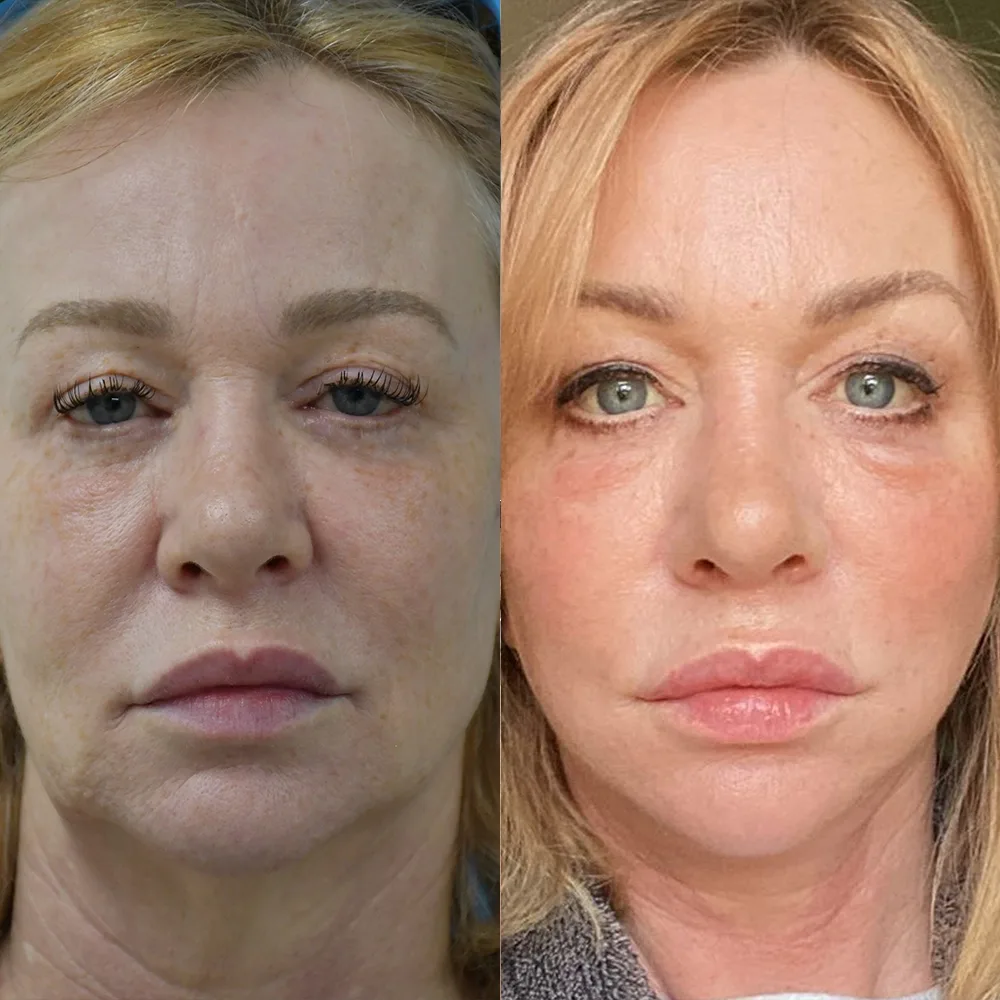
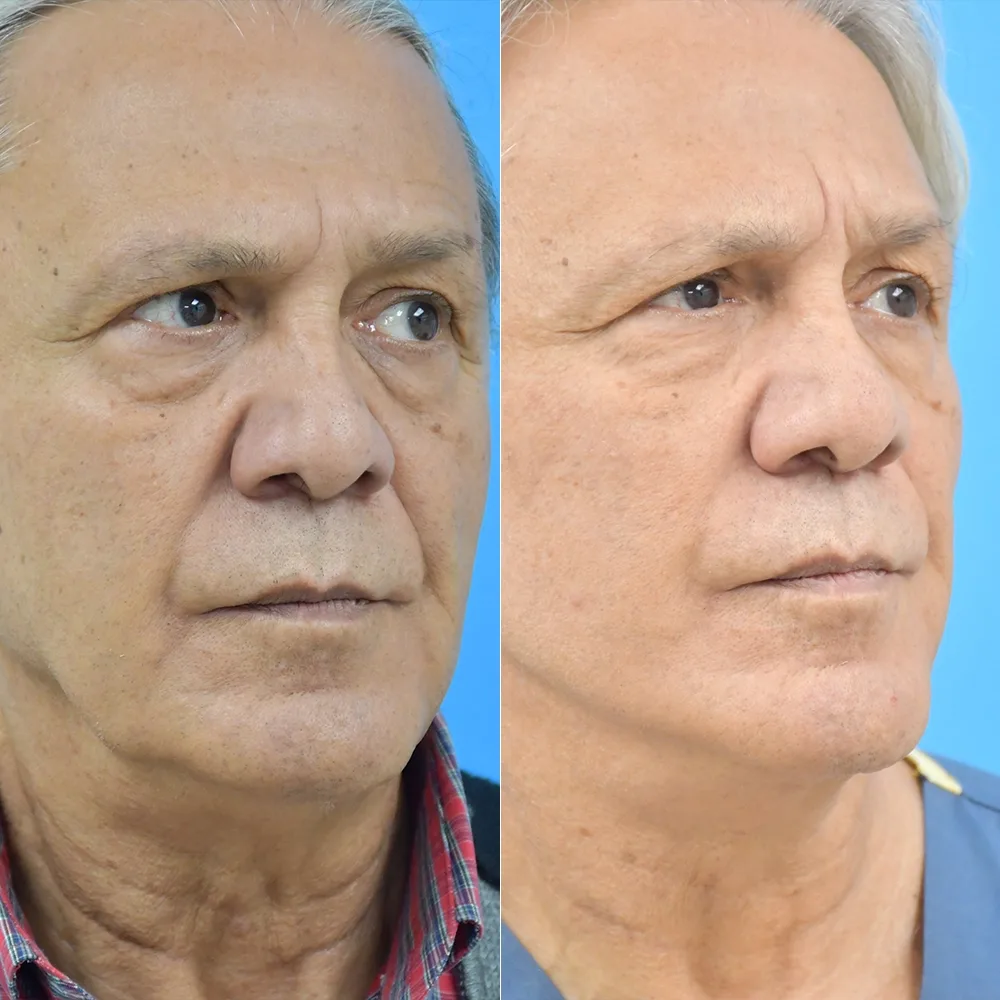
A facelift, medically known as rhytidectomy, is a surgical procedure designed to reposition facial tissues and reduce selected signs of ageing in the lower face and, depending on the plan, the neck.

Information only Antalya
Quick answer

A facelift, medically known as rhytidectomy, is a surgical procedure designed to reposition facial tissues and reduce selected signs of ageing in the lower face and, depending on the plan, the neck. It is not a single standard operation: incision pattern, tissue plane, extent of lifting and any combined procedures are selected after individual assessment.

At a Glance
  • Procedure focusLower facial laxity, jowls, facial soft-tissue descent and selected neck changes.
  • TechniqueMay involve limited-incision, traditional or deeper-plane approaches depending on anatomy and objectives.
  • AnaesthesiaSelected by the responsible medical team according to the planned surgery and health assessment.
  • Early recoverySwelling, bruising, tightness, numbness and temporary asymmetry can occur.
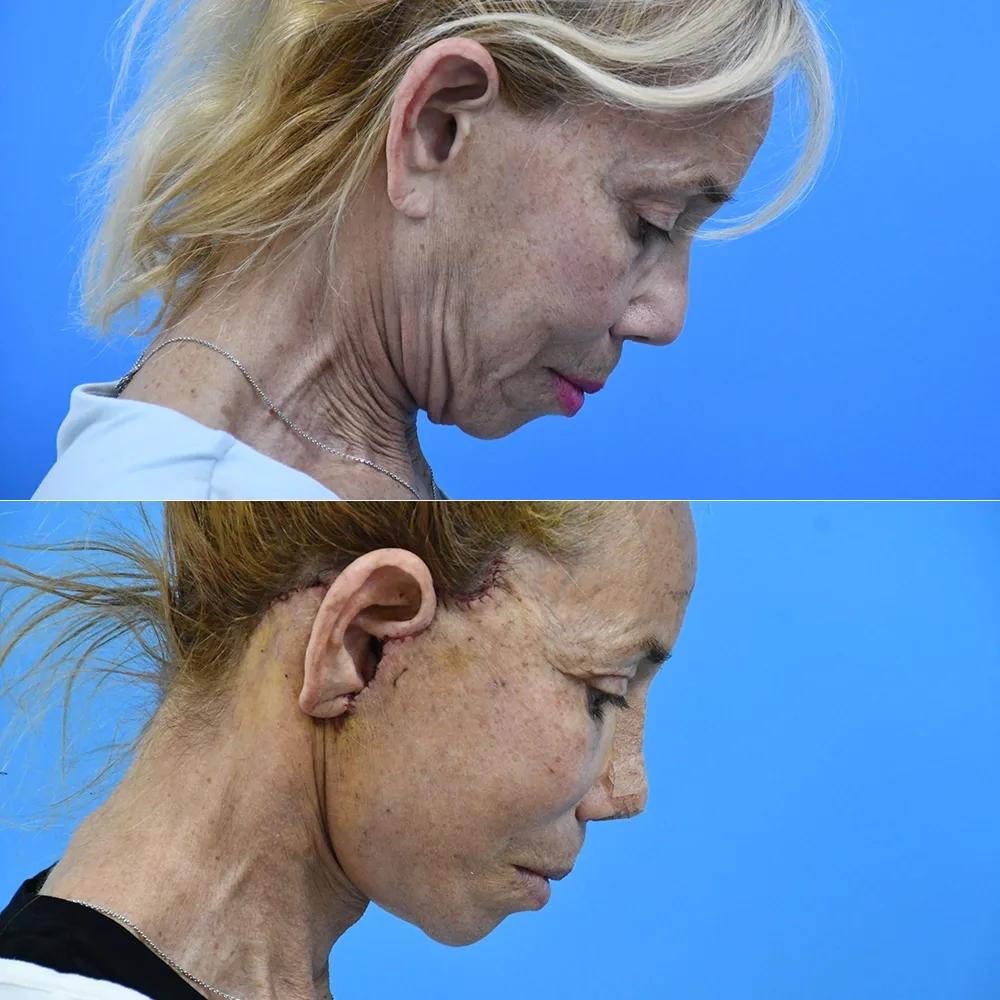
  • ScarsIncisions are planned around natural contours such as the hairline and ear, but scars are permanent and mature over time.

What Is Facelift?

Facelift surgery repositions selected facial tissues rather than simply pulling the skin. The operation can involve different tissue planes and incision lengths, and may or may not include the neck. Surface concerns such as pigmentation or fine texture are separate issues and may require different approaches.

What May It Address?

Facelift surgery may be considered when ageing-related tissue descent has created jowls, loss of jawline definition, deeper folds or laxity in the lower face. It does not stop the ageing process and it is not primarily a treatment for skin texture, pigmentation or fine surface lines. The medical assessment determines whether a facelift, a more limited operation, a neck-focused procedure or a non-surgical option is more appropriate.

  • Jowling and reduced jawline definition
  • Loose or descended tissues in the lower face
  • Selected deep folds associated with soft-tissue descent
  • Neck laxity when included in the surgical plan
  • Changes that cannot be adequately addressed by surface skin treatments alone

Who May Be Considered?

Potential candidates are assessed for general health, smoking status, skin quality, degree of tissue laxity, previous facial surgery, medications, healing risk and expectations. Facial ageing is individual, so chronological age alone does not determine suitability. People with conditions that increase bleeding, wound-healing or anaesthetic risk may need further investigation or may be advised against elective surgery.

How Is the Procedure Performed? Step by Step

  1. Assessment and surgical mapping

    Facial proportions, skin quality, tissue descent, neck findings and previous scars are reviewed. The proposed incision pattern and areas to be repositioned are discussed.

  2. Anaesthesia and preparation

    The healthcare team selects the anaesthetic plan and prepares the surgical field. Measures to reduce avoidable risks are based on the individual medical history.

  3. Incisions

    Depending on the technique, incisions may begin near the temples, continue around the ear and extend into the hair-bearing scalp. Limited approaches use shorter access points.

  4. Tissue repositioning

    Deeper tissues may be elevated or repositioned, and fat may be redistributed or adjusted where medically appropriate. The exact tissue plane differs between techniques.

  5. Skin redraping and closure

    Skin is redraped without relying on skin tension alone, excess skin may be removed and incisions are closed. Drains or dressings may be used in selected cases.

  6. Post-operative review

    Early checks assess swelling, wound condition and any drains or dressings. The responsible team provides instructions for hygiene, sleep position, medication and activity.

Recovery Timeline

Facelift recovery varies with the extent of surgery. Swelling and bruising are expected early, while scar maturation and subtle tissue settling continue for months.

StageWhat may happen
First 48–72 hoursSwelling, bruising and a feeling of tightness are common. Dressings and sometimes drains may be present.
First 1–2 weeksBruising generally fades and stitches or clips may be reviewed or removed according to the surgical plan. Social downtime varies.
Weeks 3–6Activity is gradually increased if healing is satisfactory. Residual swelling, firmness or numbness may remain.
Following monthsScars mature and tissues continue to settle. Temporary sensory changes can improve gradually.
Long termThe procedure cannot stop future ageing; sun exposure, smoking, weight change and natural tissue changes can influence appearance over time.

Possible Risks and Considerations

Potential complications should be discussed as part of informed consent. Risk is not identical for every person or every facelift technique.

  • Bleeding or haematoma
  • Infection and delayed wound healing
  • Temporary or persistent numbness or altered sensation
  • Facial nerve injury causing weakness, which may be temporary or rarely persistent
  • Hair loss around incisions
  • Visible, widened or otherwise unfavourable scars
  • Skin loss or contour irregularity
  • Asymmetry, prolonged swelling or need for revision surgery
  • Anaesthesia, blood-clot, cardiac or pulmonary complications

Travelling to Turkey for the Procedure

For people travelling to Turkey, the length of stay should be based on the planned operation and early follow-up requirements rather than on a fixed holiday schedule. Long-haul travel soon after surgery can add practical concerns such as swelling, reduced mobility and access to care. The treating healthcare professional should determine when flying is medically appropriate.

Travel & Aftercare Checklist

  • Plan sufficient days for pre-operative assessment and early checks
  • Arrange help with transport and daily needs during the first recovery days
  • Keep all prescribed medication in original packaging when travelling
  • Ask how to manage swelling and wound care during the journey home
  • Confirm a follow-up pathway for questions after returning to your country

Who does what

We coordinate the journey around the procedure. Every medical step stays with the authorised facility and its healthcare professionals.

ScopeOrganisationHealth facility
Appointment coordinationYes—
Transfer and accommodationYes—
Interpreting during appointmentsYes—
Medical assessment, diagnosis and the procedure—Yes
Consent process and medical records—Yes
Aftercare and follow-up—Yes

Frequently Asked Questions

Not necessarily. A facelift mainly addresses selected lower-face and neck changes; eyelids, brow or skin texture may require separate assessment.
Visible swelling usually reduces gradually over the first weeks, while smaller areas of swelling, firmness or numbness may persist longer.
Incisions are usually planned around natural contours and hair-bearing areas, but scars are permanent. Their final appearance varies with technique and individual healing.
Flight timing must be decided by the responsible healthcare professional after reviewing the extent of surgery and early recovery.
Coordination experience

What Patients Say About the Coordination

These accounts describe the coordination and travel experience only — pickup, communication, interpreting and scheduling. In line with regulation, they do not discuss medical treatment or results.

4.9 Google reviews
Next step

Considering deep Plane Facelift & Necklift?

Request information and a coordinator will forward it, with your consent, to a partner facility — a physician there decides what, if anything, is appropriate.

This form is not for medical emergencies.