Swelling and rest
Swelling around the nose and eyes, bruising that varies a lot between people, and a blocked feeling. Rest with your head raised and follow the prescribed medication.

We coordinate your consultation, your appointment at a Ministry-licensed facility in Antalya, transfers, accommodation and interpreting — so the only thing you decide is whether the plan is right for you.
Your written quote follows the surgeon’s assessment. No obligation.
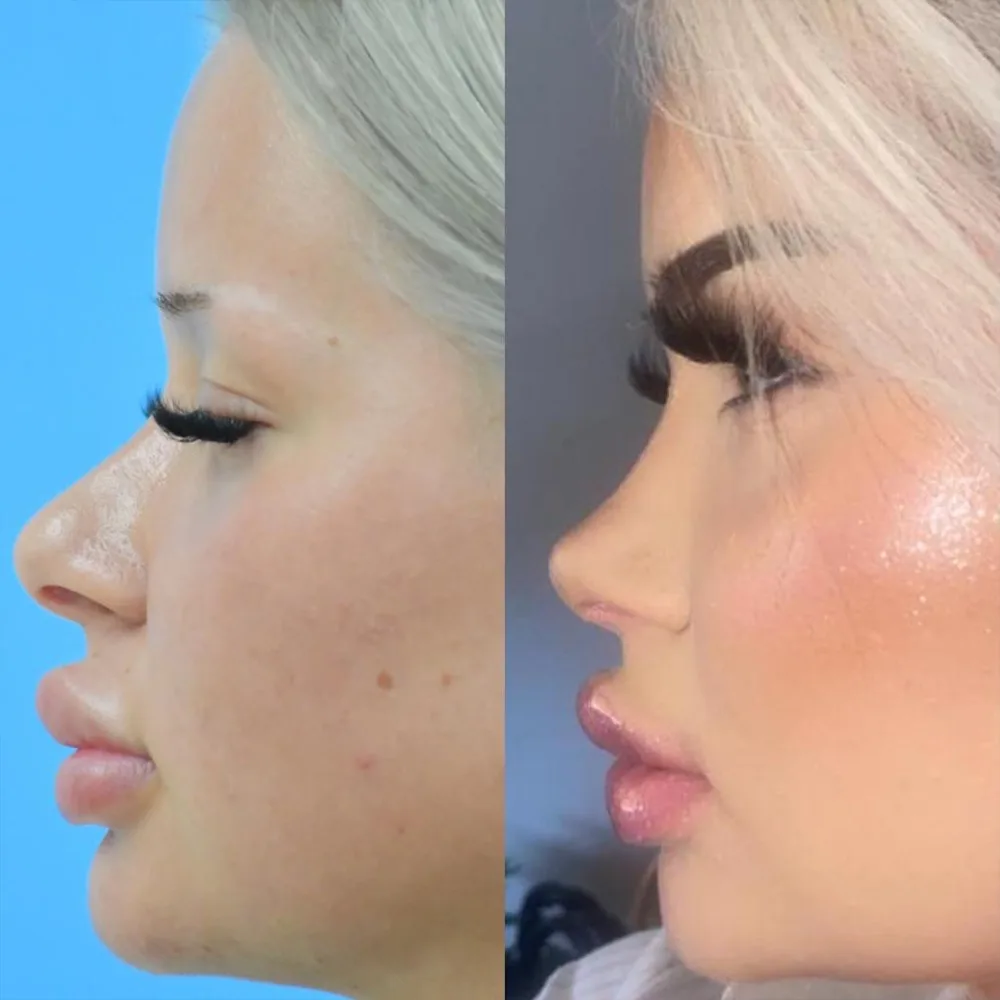
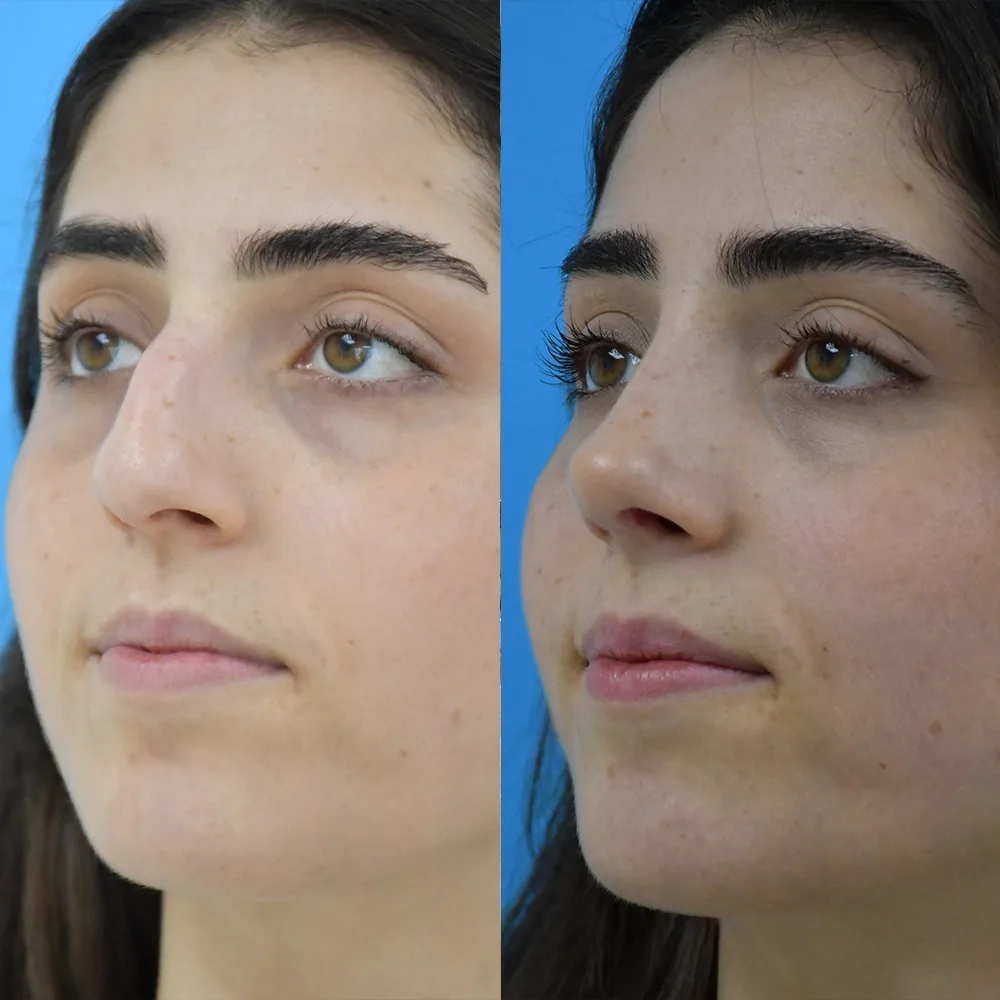
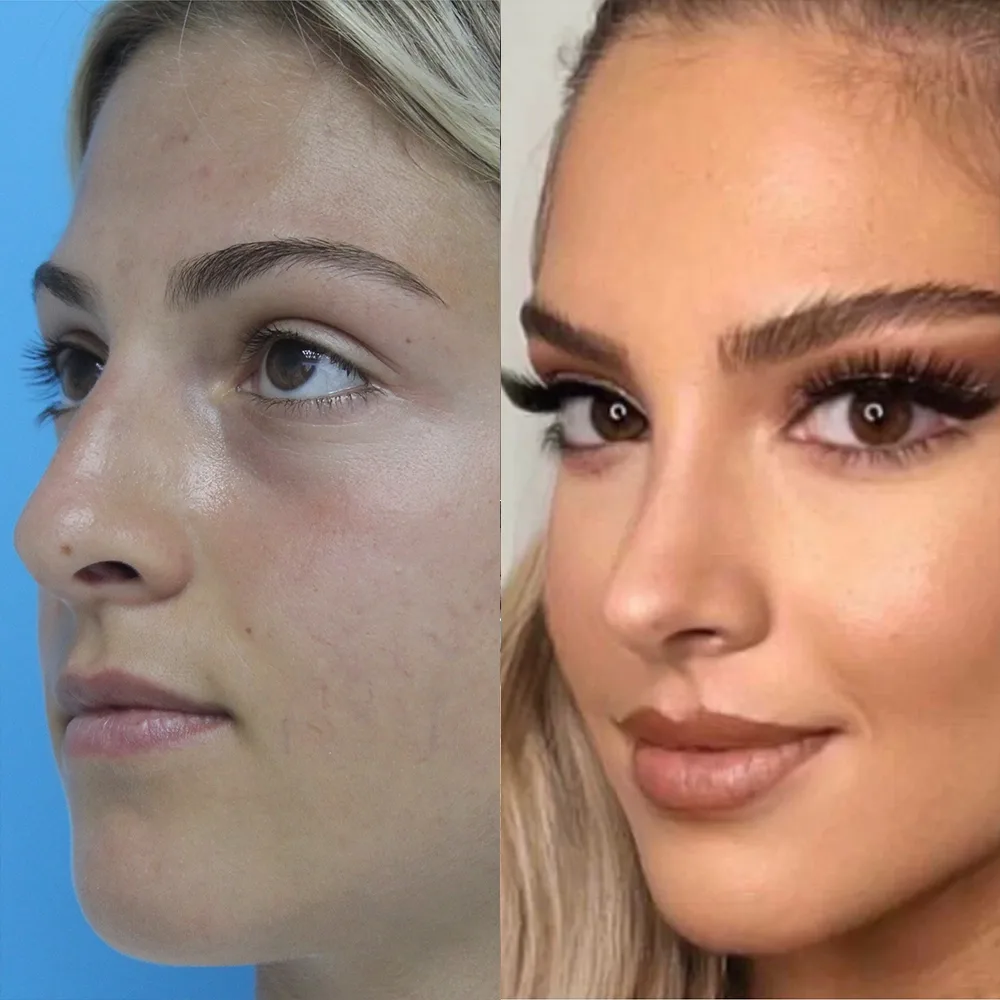
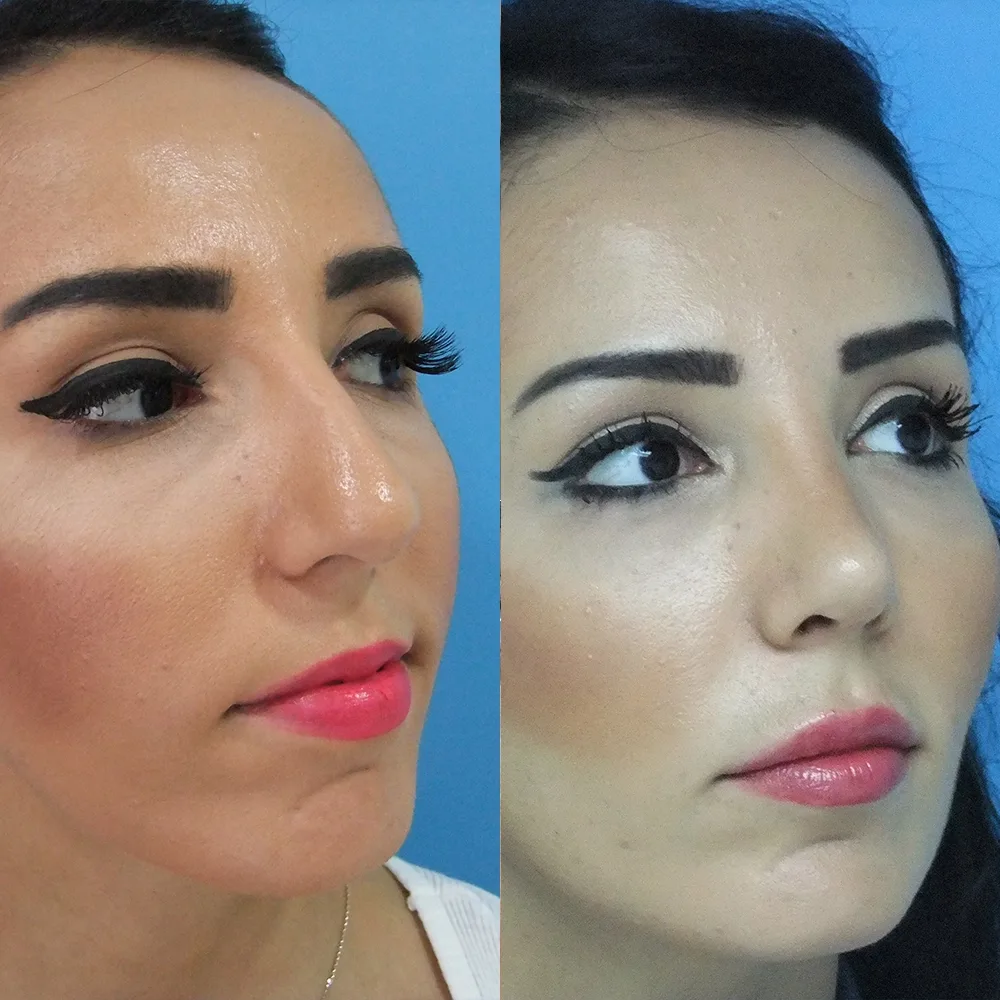
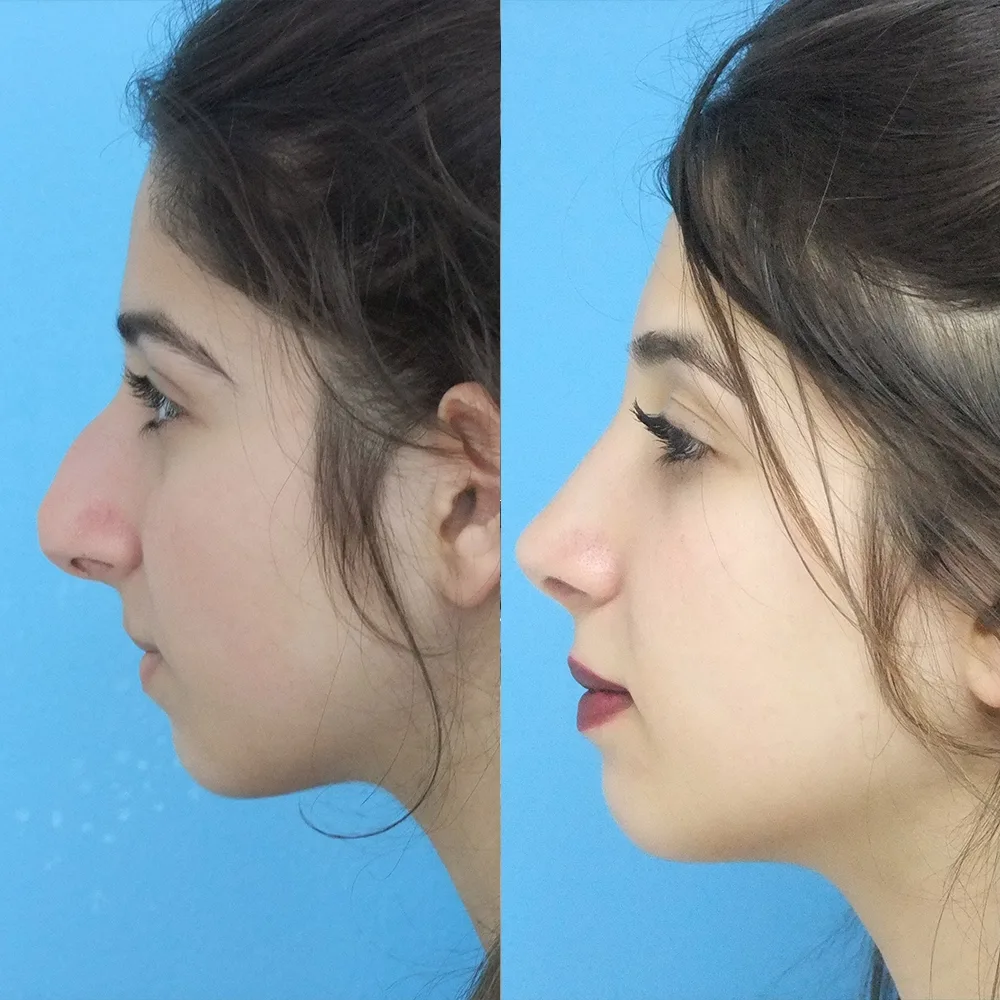
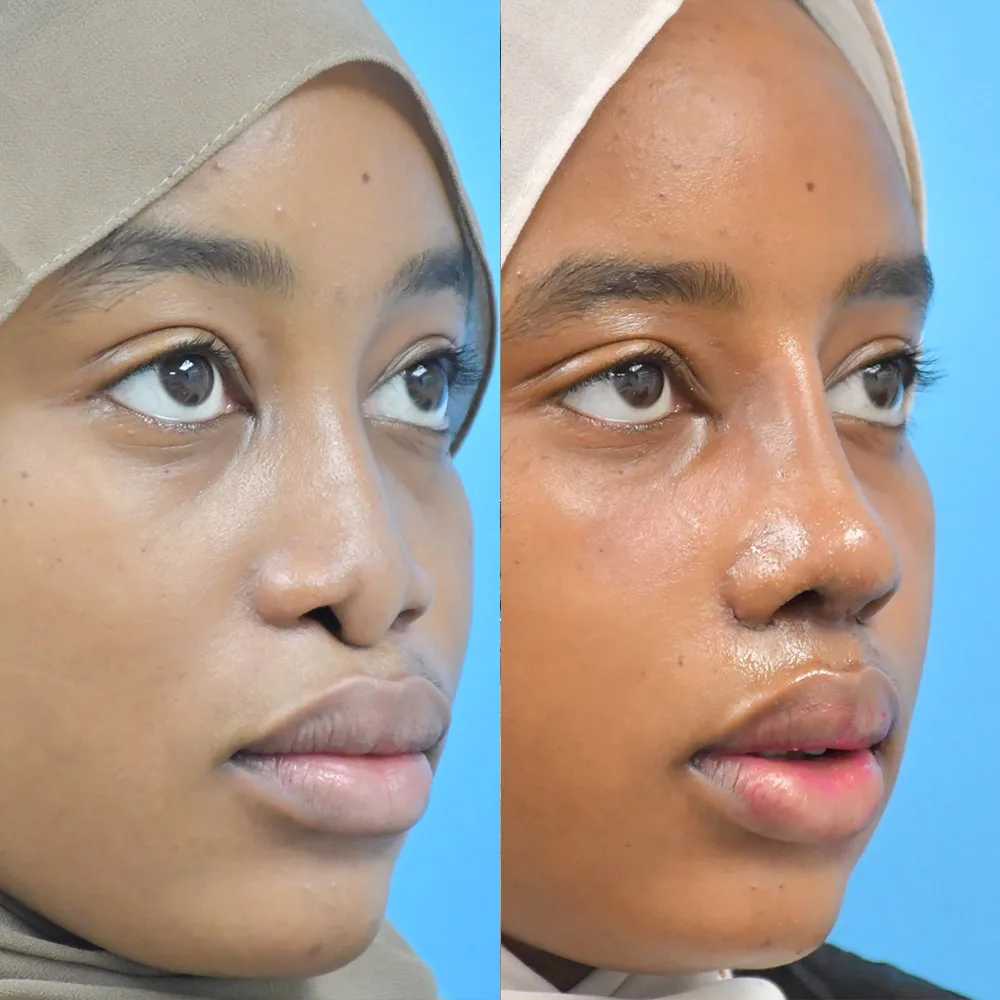
These are single cases shared by the treating facility with the written consent of the person photographed. Noses, skin and healing differ from one person to the next, so they are not a prediction of your own result.
“Two consultations before anything was booked. I never felt rushed into a date.”
Leeds, United Kingdom
“The interpreter sat in on every appointment, so I understood the plan properly.”
Liverpool, United Kingdom
“Airport, hotel, clinic — all arranged. I only had to turn up.”
Birmingham, United Kingdom
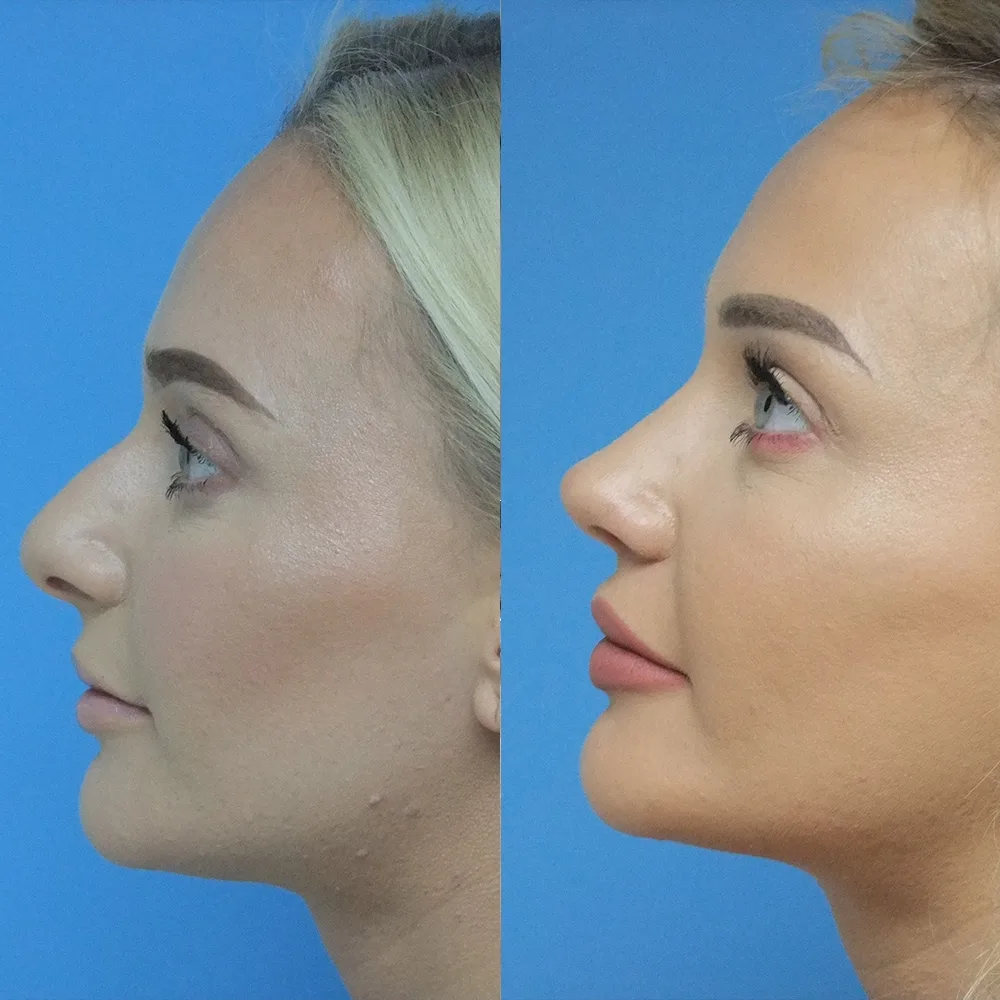
“They told me what the recovery would actually be like, not just the good bits.”
Glasgow, United Kingdom
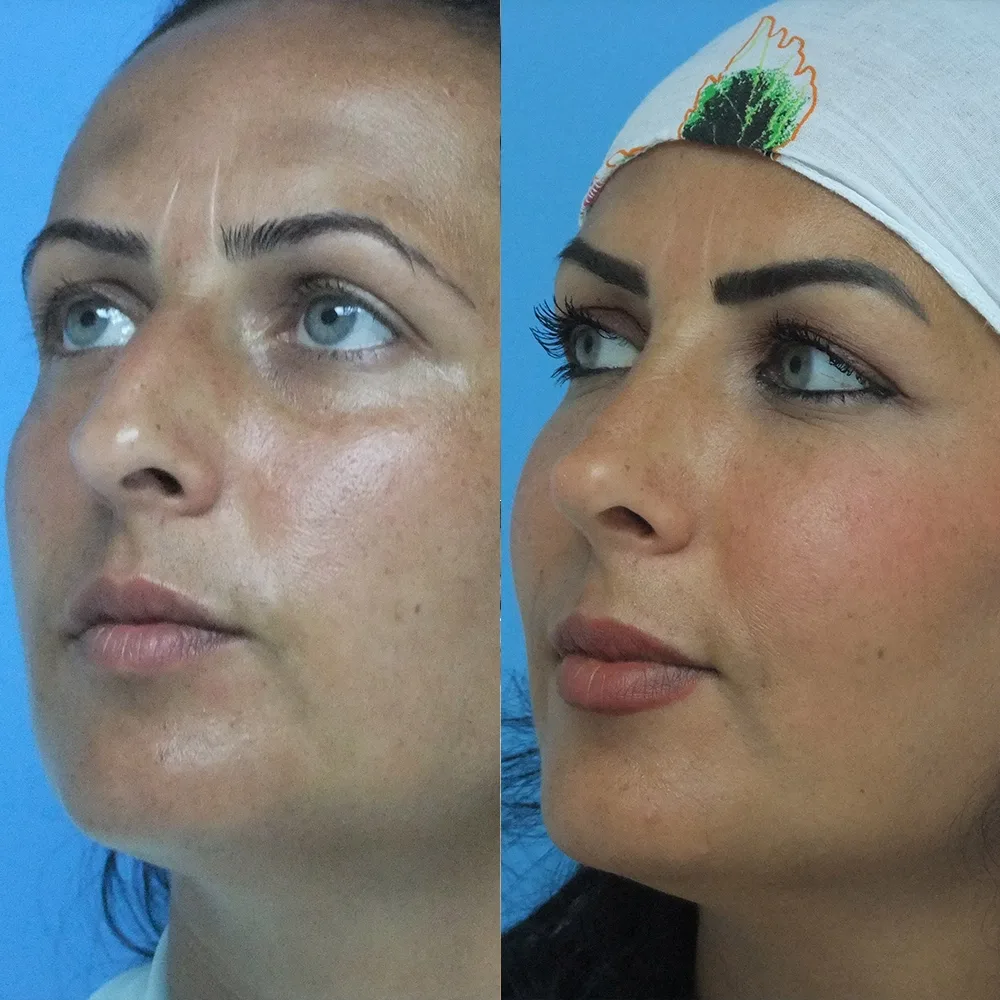
“The written programme arrived before I paid for flights. That mattered to me.”
Manchester, United Kingdom
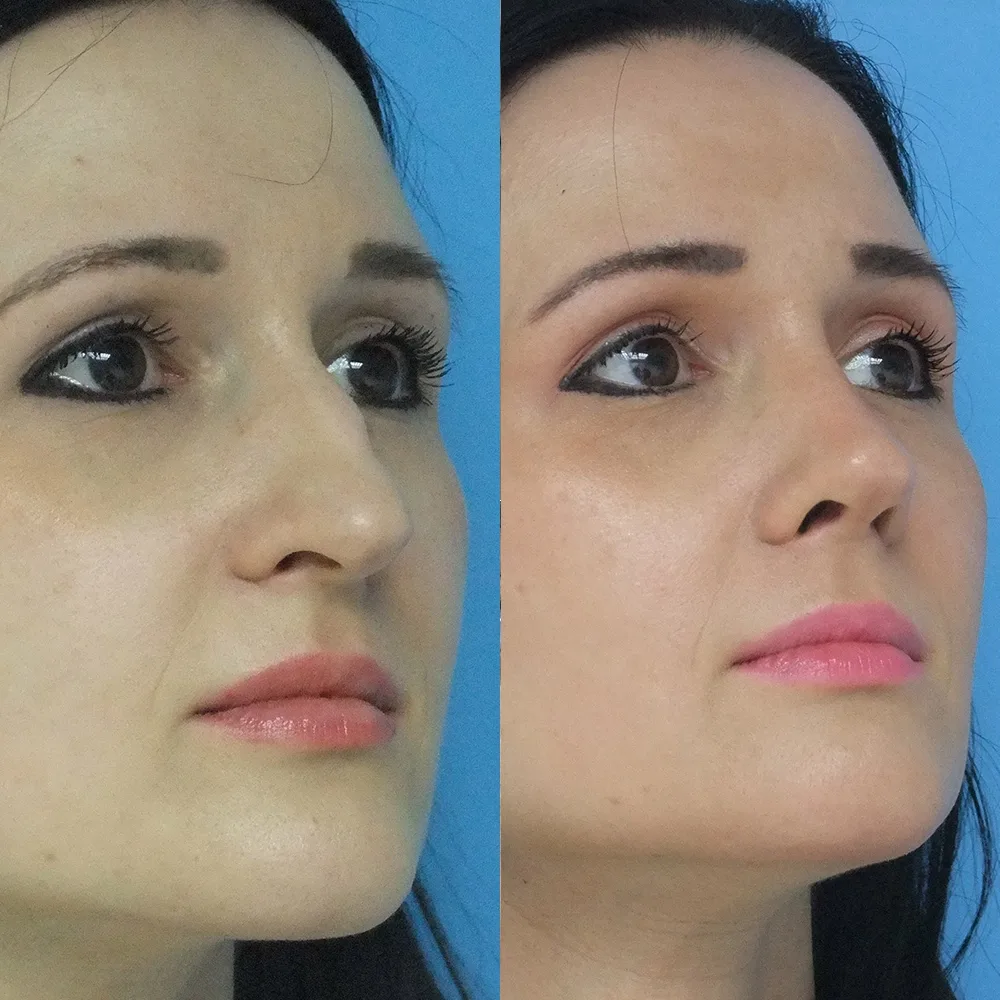
“My follow-up questions after I got home were answered the same day.”
London, United Kingdom
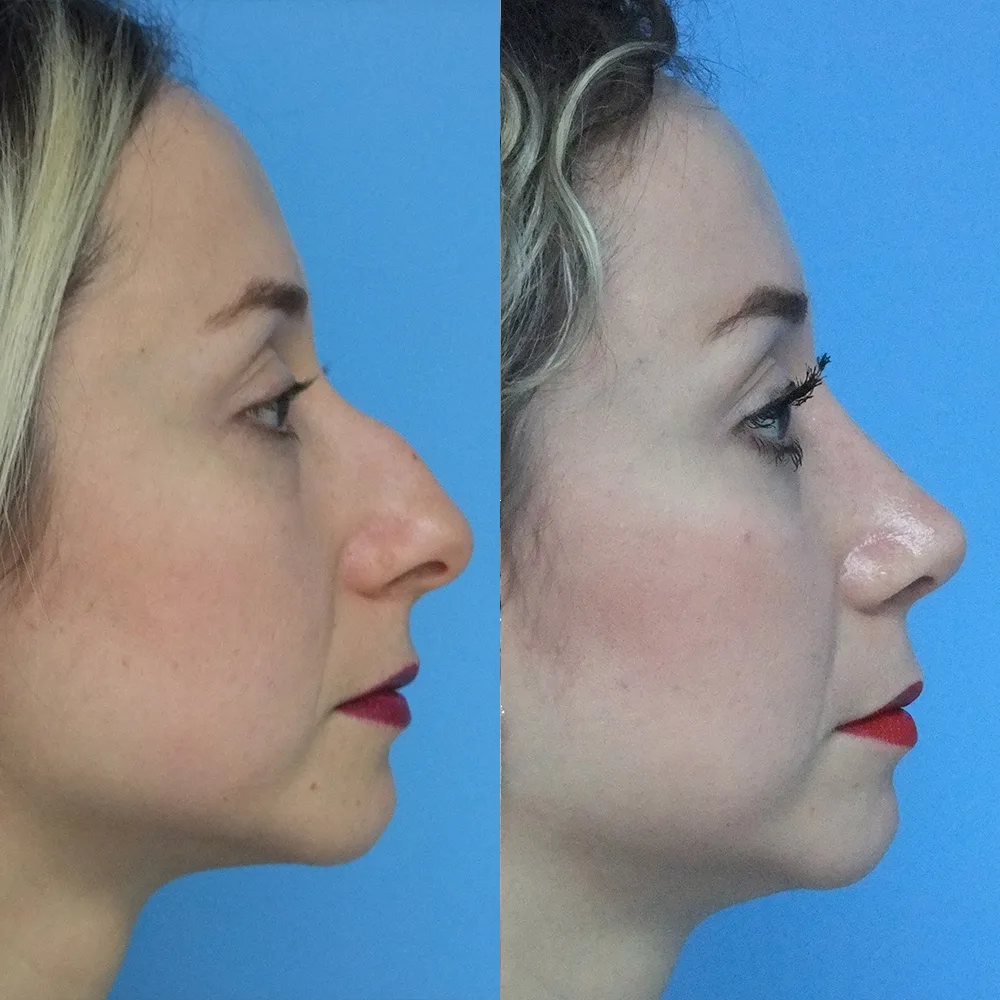
“One person handled everything. No being passed between agents.”
Bristol, United Kingdom
“I was given the risks in writing and time to read them.”
Cardiff, United Kingdom
“Transfers were on time every single day of the stay.”
Belfast, United Kingdom
“They were clear that the surgeon decides, not the agency.”
Edinburgh, United Kingdom
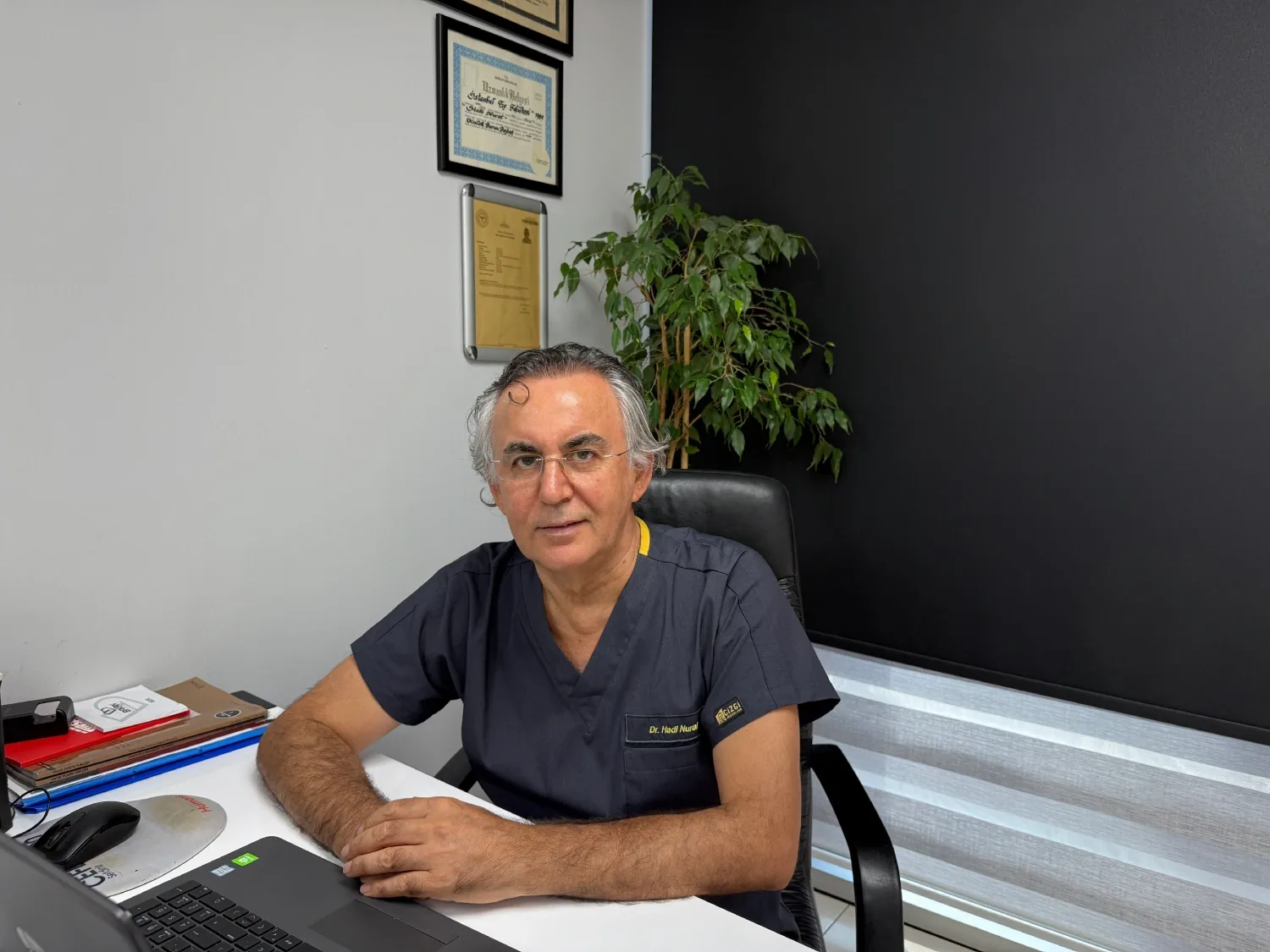
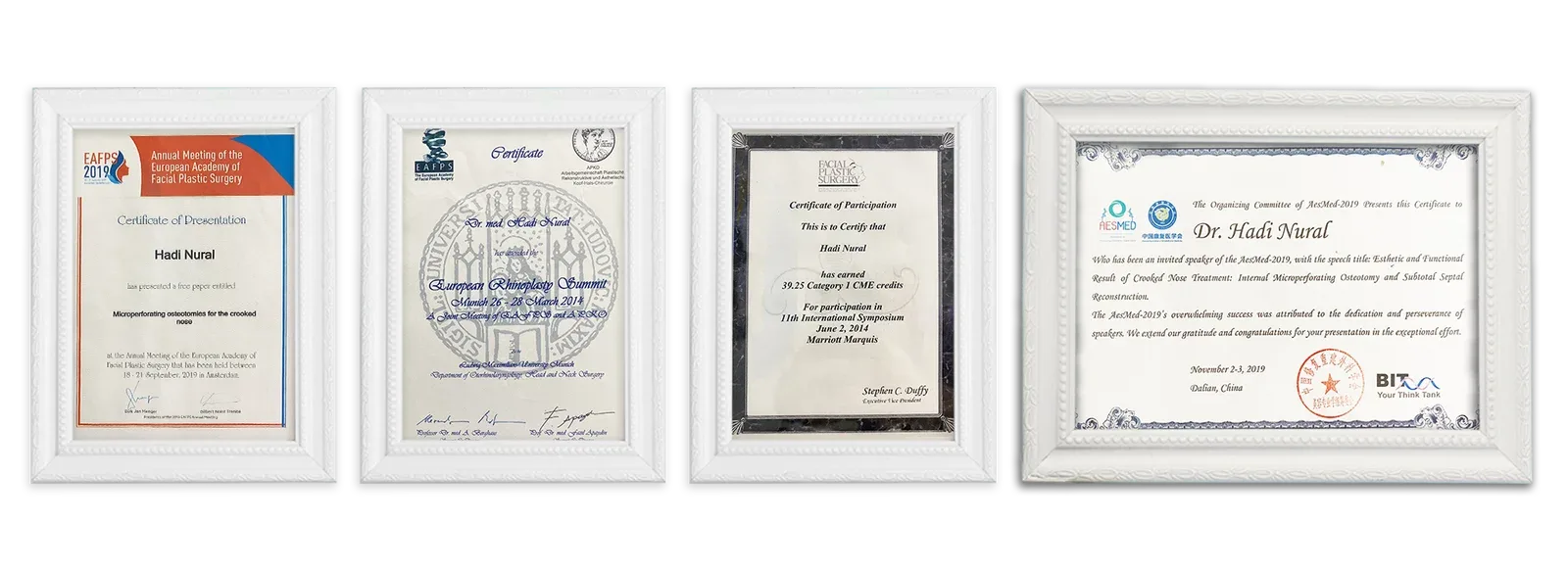
Surgery at the authorised facility is carried out by Op. Dr. Hadi Nural, whose published work covers both the functional and the aesthetic side of nasal surgery — relevant if your concerns include breathing as well as appearance.
He lectures at national and international meetings on surgical and non-surgical facial treatment. His technique for crooked nose treatment — “Aesthetic and functional result of crooked nose treatment; internal microperforating osteotomy and subtotal septal reconstruction” — is published in the European Journal of Plastic Surgery and was presented at the Annual Meeting of the European Facial Plastic Surgery in Amsterdam, 2019.
He also developed a facelift technique, and his academic study on it — “Vertical Space Lift: Transcutaneous Lower Blepharoplasty, Subperiosteal Midface Lift, and Lower Face Lift: A Novel Technique of Buccal Fat Suspension to Medial Infraorbital Rim” — has been published in Aesthetic Surgery Journal.
Treatment, assessment and any decision about suitability are carried out by the physician at the authorised facility. HN Health Turkey coordinates the journey only.
Short clips recorded by guests during or after their stay in Antalya. Each one is that person’s own experience — not a prediction of yours.
We arrange access to licensed health facilities in Antalya. We do not provide healthcare.
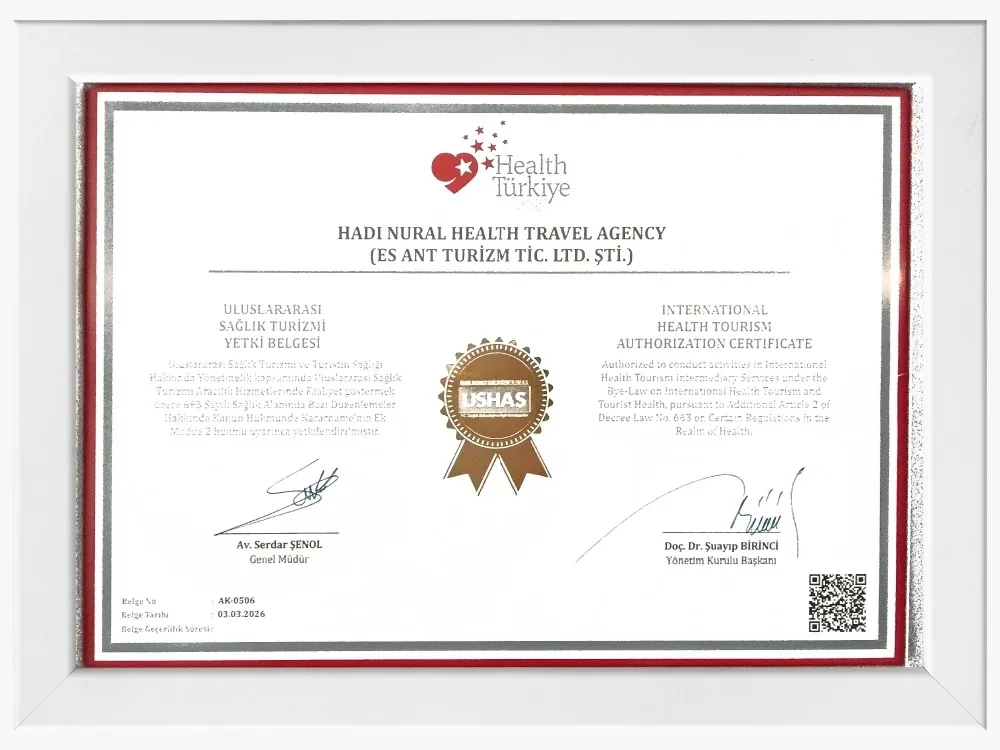
Our international health tourism intermediary authorisation, issued in Turkey. It covers coordination — not the provision of healthcare.
Published by guests on independent platforms. Shown here as excerpts — the full reviews are on each platform.

The Only Doctor Who Could Truly Help Me!
I found Dr. Hadi Nural a few years ago as I was researching different ways to deal with my specific tear-trough deformity, and came upon his Vertical Space Lift paper which described a (scarless!) midface lift achieved through the same minor incision of a Transcutaneous Lower Blepharoplasty. The technique described was simply innovative, and far beyond the traditional endoscopic / short-scar / temporal-suspension midface lifts. It was the first time I saw a surgical technique that directly addressed the tear-trough, while also providing eye/cheek/nasolabial/jowl rejuvenation. I spent a lot of time researching every alternative for this, but ultimately, it was obvious the VSL technique was the only true way to deal with the malar bags / festoons / edema that I was developing for many years. Further research showed me the impressive work Dr. Hadi did in general, especially with respect to Male Rhinoplasty. There wasn’t a man’s nose he did that I didn’t like - even the shape of the nostrils were always good - I had never seen such a consistent portfolio of results before. Growing up, I had multiple surgeries just for my breathing, which still was not perfect. As a teenager I also had a rhinoplasty where the doctor still left me with a slightly crooked (but mostly ok) nose. Each doctor I saw specialized in one part of the nose (form or function), but not both. So when I saw Dr. Hadi was also an ENT, I realized he was one of a very few people that could also fully address my breathing and symmetry issues in a comprehensive and holistic way, while providing extremely natural and masculine results.
“
The whole experience was flawlessly smooth and easy from start to finish. From planning flights, appointments, surgery and aftercare. Dr Hadi and his team were really professional and supportive as I was travelling on my own from the UK and was quite apprehensive. The whole process was explained clearly and I can’t fault their care. I love the result and it was the best decisions i ever made.
I had an excellent experience with Dr Nural. He was very professional and delivered exactly what I was hoping for.
The staff at mediface were all brilliant. So welcoming and friendly. Dr Nural is very experienced and made the whole experience so much more easier.
“
I have had eyelid surgery, rhinoplasty and a deep plane face and neck lift with Dr Hadi. I’m currently a week out from a minor revision as I’m thick skinned and have a tendency for extreme swelling. I can however, already see great results and the recovery is really easy, thanks to the skill of Dr Hadi, clear instructions and impeccable aftercare.
The co-ordinator/translator Tugba, is lovely. Very professional and organised. The nurses are great…everyone is friendly, professional and skilled at their jobs. I was treated with respect, care and empathy the whole time.
“
I have had a rhinoplasty done at Medi face with Dr HadiNural. The whole experience has been amazing, I was super nervous but I felt at ease as soon as I arrived to the clinic. They have been super helpful and answered any questions, I have felt really safe and looked after. The outcome is exactly what I wanted and I can’t thank them enough. I would never go anywhere else now and if I want any treatment done, I will definitely come back here!
“
I Had septorhinoplasty with DR Hadi Nural. Badly deviated septum and dorsal hump and crooked front .
From the moment I contacted Mediface to now I have been so happy, they wasn’t at all pushy and they let me decide when I was ready too book, always messaged back with any questions and concerns I had.
I had a quick online consultation with Dr Hadi Nural before I flew over.
Once in Turkey everything went so smoothly, the driver who picked us up, the hotel was lovely that they booked for me and my daughter.
“
I had a great experience with Mr Hadi
NURAL
I had breathing and sleeping problems with my nose
After surgery I feel like new born baby
Surgery been 3 years ago every year when I visit him he great take care of me. Thank so much for everything again .
“

I underwent a revision rhinoplasty with Dr. Hadi 6 months ago. I waited until my recovery process was fully complete before leaving a review. The entire experience was very comfortable, and I am extremely satisfied with everything. My healing period was so fast!
From start to finish, the whole team was always helpful. I would like to thank Gaye for her assistance, and Dr. Hadi for this wonderful transformation, he is amazing! Recommend him everyone!
I cannot recommend Dr. Hadi and his incredible team highly enough. From start to finish, my experience in Antalya was nothing short of outstanding.
Traveling completely alone for a medical procedure can feel incredibly daunting, but from the moment I arrived, I was made to feel entirely safe, comfortable, and genuinely cared for. A special, heartfelt thank you goes to Nursen, whose warmth, attentiveness, and support made my stay such a remarkably positive experience. She went above and beyond to ensure I felt completely looked after every single day.
The facilities themselves are world-class. Both the clinic and the brand-new hospital were absolutely pristine and exceptionally modern. My private room was huge, providing a comfortable and peaceful environment that was perfect for resting. Additionally, the luxury transport service was top-tier—the vehicles were incredibly comfortable and luxurious, and the drivers were always punctual and professional.
If you are considering traveling to Antalya for treatment, you are in the safest possible hands with Dr. Hadi. I would definitely come back in a heartbeat and give them a well-deserved 10/10 recommendation!
Was made to feel at ease straight away with how relaxed the Dr was. He has lots of experience and I felt comfortable straight away. All the staff and the nurses were lovely at the hospital. The hospital is new and clean. My nose looks amazing 3 months post surgery and I’m very happy with the outcome. I had minimal bruising and swelling afterwards. Overall a really great experience that I wish I would have done sooner. Would recommend Dr Hadi Nural, thank you so much!
My start to leaving and coming home from Turkey! Landed at the airport and my transfer was waiting for me, was taken to my hotel then at 7am was picked up taken for all my checks, i have a fear of needles i was so looked after my every need was met, I was absolutely amazed at the hospital, the care, the hospital was like nothing ive ever experienced in the uk. I couldn't have asked for any more than I recieved it was amazing, the team looking after me were the best. Well then theres the surgeon DR Hadi Nural, he is my super hero, I had a bump on the bridge of my nose and very wide, I now have the nose that suits my face, the nose it should have always been.. im still early in my recovery but what I see i love and I cant stop looking in the mirror, something i used to hate doing , i now love (the mirror)
DR HADI NURAL
you truly are the best, you are worth your weight and more in gold.
Thank you so much for what you have done not only for my face but for how it has stopped me from hating what I see and making me feel inside.I cant thank you enough
I got my rhinoplasty done by Dr. Hadi Nural, and honestly, I couldn't be happier with how everything went.
I was really nervous and scared before the surgery, but Dr. Hadi and all the lovely ladies at the clinic made me feel comfortable and well looked after from the very beginning. They explained everything clearly, answered all my questions, and never made me feel rushed or pressured.
The surgery was done in a beautiful hospital with amazing staff. Everything was organised and professional, but it still felt very personal and caring. I was also in constant contact with a wonderful coordinator who kept me informed every step of the way and stayed with me after surgery until I felt better, especially since I didn't have any family with me. That meant so much to me.
Dr. Hadi is not only an amazing surgeon but also a genuinely kind person. He really listened to what I wanted and gave me exactly the result I was hoping for. The surgery was done with great attention to detail, and even the stitches healed beautifully with barely any visible marks.
“

I got a septorhinoplasty done by Dr Hadi. It was my first ever surgery and I couldn’t have asked for a better surgeon! He’s so kind and most importantly, understanding. After meeting with him for the first time, I knew I was in safe hands. I also want to give a special shoutout to Gaye and Nursen. Gaye had been messaging me months before my surgery, checking in and providing me with all the information I needed to know as well as settling my anxiety about the process. Nursen was my coordinator and she was so patient and gentle with me. I met her at the hospital and if i was scared at any point e.g the blood test, she would hold my hand and reassure me everything was going to be okay. After waking up, I saw my new nose and couldn’t have been happier 🥹A week later, I got my cast off, cried and gave Dr Hadi a big hug. If I go to Antalya again, i’d love to see them again
I have been researching for a long time for a surgeon to do my 4th revision rhinoplasty, I am so happy that I found Dr Hadi Nural, he listened to my concerns and gave me exactly the nose I wanted, my breathing is so much better too.
I was really anxious considering the fact I already had several failed rhinoplasties before but Dr Hadi is so talented and experienced, all my issues are finally fixed!
My coordinator Nursen was so helpful along the way, making the process even better. I 100% recommend this clinic!
I am only 2 weeks post‑op from septorhinoplasty, lower blepharoplasty and facial fat transfer with Dr Nural and his team, and I wanted to share my experience so far.
From my very first enquiry, everything was clear, professional and kind. All questions were answered fully, pricing transparent, and I felt completely supported throughout every step – from pre‑op checks to aftercare instructions.
The procedure went smoothly, and I was given clear guidance on healing. Right now I am still in the early stages of recovery – swelling and bruising are normal and expected – but I already feel confident that I am in the best hands. The care I have received has been excellent, and I am so glad I chose this clinic. I will update my review once fully healed, but I can already highly recommend them for their honesty, skill and genuine care.
Amazing experience
I am 3 weeks post op from a rhinoplasty with Dr Hadi Nural.
I did a lot of research before choosing him but I definitely made the best decision! It’s important to remember when you get your cast off you are SWOLLEN. But 3 weeks on I can see the shape and I am in love with my nose. My breathing is amazing and I feel my surgeon listened to all my requests and did everything I wanted and more. I was very supported throughout the whole process and looked after. As a patient who had a mild deviation due to a broken nose it is so lovely to have my breathing back too and I can tell that my surgeon took the time to work on this as well as the aesthetic appearance of my nose. I was nervous about going abroad for surgery but Antalya is beautiful, as are the people.
Very grateful to the whole team and especially Dr Hadi Nural. Thank you so much.
Hadi Nural is absolutely amazing…
Hadi Nural is absolutely amazing doctor.Everything was perfect ,even now when I have any question he always reply.I know if I will ever plan any other operation I will always go with this doctor.Big thank you to his staff (2 girls ) they been so nice to me and they always helped me ❤️
From the beginning I had great contact from HN Health no hassle off message and phone calls,I had the most warming and friendly experience,I was explained in detail before the operation what was happening as my nose was much worse than I expected, I had only a small amount of cartilage, I felt like crying at the time, but the Doctor I had hade no problem as he was extremely experienced with any procedure of the nose, everything explained in detail I was excited to go ahead, I got the operation no pain,no pain afterwards, I got the plaster removed on the 8th day, Wow it looks amazing,I love my nose it has changed my confidence in myself and only wish I had this done sooner,
“
I got my rhinoplasty done by Dr. Hadi Nural, and honestly, I couldn't be happier with how everything went.
I was really nervous and scared before the surgery, but Dr. Hadi and all the lovely ladies at the clinic made me feel comfortable and well looked after from the very beginning. They explained everything clearly, answered all my questions, and never made me feel rushed or pressured.
The surgery was done in a beautiful hospital with amazing staff. Everything was organised and professional, but it still felt very personal and caring. I was also in constant contact with a wonderful coordinator who kept me informed every step of the way and stayed with me after surgery until I felt better, especially since I didn't have any family with me. That meant so much to me.
Dr. Hadi is not only an amazing surgeon but also a genuinely kind person. He really listened to what I wanted and gave me exactly the result I was hoping for. The surgery was done with great attention to detail, and even the stitches healed beautifully with barely any visible marks.
I'd definitely recommend Dr. Hadi Nural and his clinic to anyone thinking about rhinoplasty or any facial procedure. Thank you for making what felt like such a scary experience so much easier and more stress-free.
I’m so happy with my nose job results
I’m so happy with my nose job results! The whole experience was professional and reassuring from the beginning. The surgeon really listened to what I wanted and created a very natural result that still fits my face perfectly. The staff was kind, supportive, and always answered my questions patiently.
The healing process went much smoother than I expected, and even while swelling is still going down, I already feel so much more confident. My breathing also feels better, which was really important to me.
I’m genuinely grateful for the amazing work and would absolutely recommend this clinic and surgeon to anyone considering rhinoplasty. Thank you for giving me such a beautiful and natural result! 🤍
From the moment you land in Antalya to the day you fly home, the practical side is coordinated for you — so you can focus on your visit, not the logistics.
From the moment your flight lands, the logistics are handled — so you can focus on your visit, not the journey.

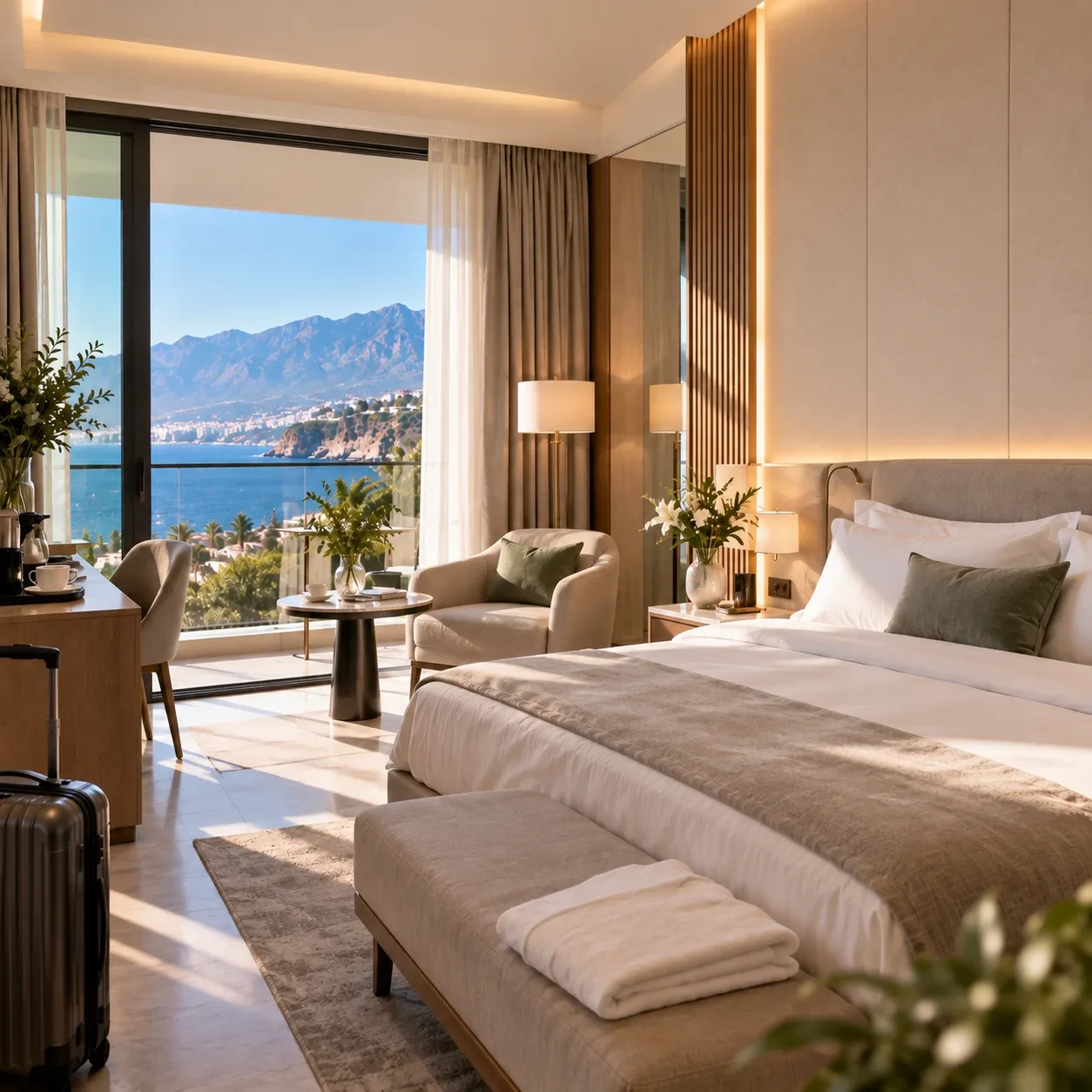
We help you book a hotel near the facility, matched to your dates and preferences, so your time in Antalya stays calm and convenient.
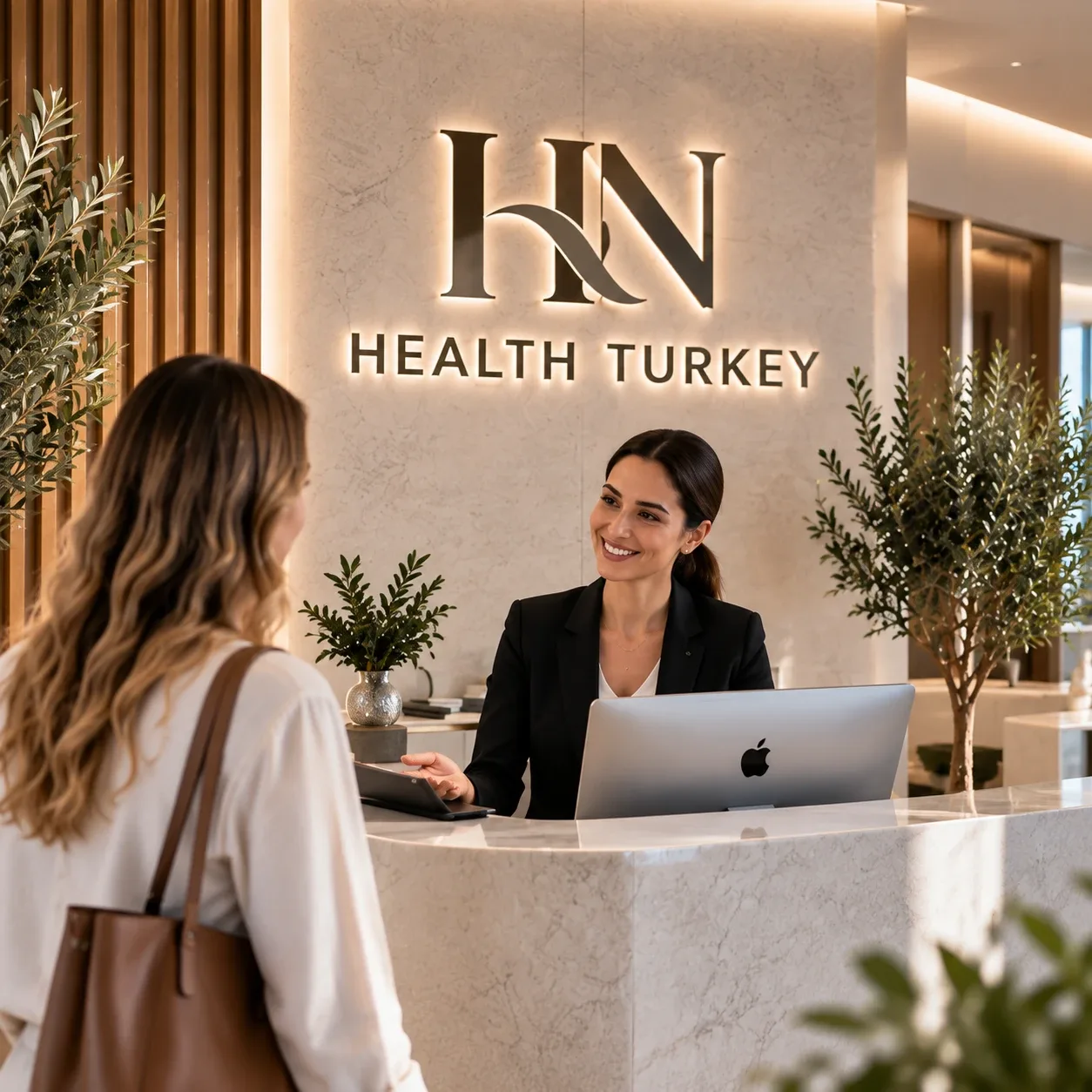
One named coordinator greets you on arrival and stays reachable throughout your stay — so there is always someone to turn to.
Appointments, transfers and timings are scheduled with the facility and shared with you in writing before you travel.
A comfortable lounge in our Antalya office gives you a quiet place to relax and wait between appointments.
Coordination and logistics services are organised by HN Health Turkey. Examination, diagnosis, treatment and any medical follow-up are the responsibility of the authorised facility and its physicians.
The visibly swollen stage lasts weeks; the nose keeps settling for a year or more. General guidance only — your own timings come from the treating professional.
Recovery differs from person to person. When you may fly, work or exercise is decided by the professional treating you.
Op. Dr. Hadi Nural carries out rhinoplasty at an authorised facility in Antalya, with transfers, accommodation and interpreting coordinated around the clinical plan. The figures below are general guidance for a straightforward case — your own timings are set by the surgeon after examining you.
Operation time
Persistence of results
Hospitalisation
Sensitivity period
Return to work
Anaesthesia
These are typical figures, not promises. Operating time, length of stay, recovery and anaesthesia are decided for each individual case by the responsible healthcare professional, and revision surgery often differs from a first procedure.
Not everyone who enquires is considered a suitable candidate, and being told no is a legitimate outcome of an assessment. Rhinoplasty is surgery carried out under anaesthesia, and it carries real risks that should be understood before any decision is made.
An assessment typically looks at your general health and medication, any previous nasal surgery or injury, how well you breathe through each side of your nose, the shape and strength of the underlying cartilage and bone, and the thickness and quality of your skin. Thicker skin, for example, tends to mask fine definition and swells for longer. Expectations matter too: a clear, realistic idea of what can change is part of being a good candidate, and surgery is not an appropriate response to pressure from someone else.
This is a general list, not your personal risk profile. The risks relevant to your case depend on your anatomy and medical history and must be explained to you by the surgeon before you consent.
Four stages, and a decision point at each one. Nothing moves forward until you say so.
We do not publish a price on this page, because a figure quoted before anyone has examined you tells you very little. What a plan involves — and therefore what it costs — follows from the assessment. Once the facility has reviewed your case, you receive the plan in writing before you commit to anything.
Two people asking about the same operation can end up with very different plans. The main variables are the complexity of the surgery itself, whether it is a first procedure or a revision, which examinations the facility requires beforehand, how long you need to stay in Antalya, and what follow-up is needed before you travel home.
Accommodation, transfers, interpreting and the length of stay are then built around the clinical plan — not the other way round.
If something on that list is missing or unclear, ask before you book flights. A plan you cannot read in full is not a plan.
Services described elsewhere on this page are not automatically part of every plan. What applies to you is set out in your own written plan.
The part UK visitors most often underestimate is what happens after the flight home.
HN Health Turkey coordinates communication and logistics. We do not provide medical treatment, and we do not provide clinical follow-up in the UK.
A call costs you nothing and commits you to nothing. If you are not a suitable candidate, we would rather tell you now than after you have booked a flight.
This form is not for medical emergencies.
Most rhinoplasty plans involve a stay of several days so the facility can carry out the consultation, the procedure and at least one review before you fly. The exact length is set by the responsible healthcare professional for your case — we build the travel around their answer, not the other way round.
Flying is confirmed by the treating professional after assessing swelling, healing, medication and whether your nose can be protected during the journey. We do not put a fixed number on it in advance, because it differs from person to person.
You leave with written aftercare, the warning signs that need medical attention and a named contact. If something urgent develops, you should seek local medical care first and tell us — we then coordinate with the facility. We also recommend arranging a local follow-up before you travel.
No. What a plan involves depends on the assessment, so a number quoted before anyone has examined you would be meaningless. After the facility reviews your case you receive the plan in writing, including what is arranged and what is not, with no obligation to proceed.
Qualified healthcare professionals at a healthcare institution licensed by the Turkish Ministry of Health. Before you commit, ask which facility your procedure is booked at, confirm it is licensed, and ask whether you will meet the surgeon before the day. HN Health Turkey is an intermediary organisation: we coordinate the journey. Assessment, diagnosis, treatment planning and the procedure itself are carried out by the facility and its physicians.
No. Breathing problems, previous nose surgery, skin and cartilage characteristics, general health and expectations all affect whether surgery is appropriate. Some people are told it is not. That assessment belongs to the healthcare professional, and it happens before anything is booked.
Primary rhinoplasty is a first operation on a nose that has not been operated on before. Revision rhinoplasty is surgery on a nose that has already been operated on, where scar tissue and previously altered cartilage make planning more complex and outcomes less predictable. Revision cases usually need a longer assessment, and earlier operative notes are helpful if you have them.
The visibly swollen stage is usually measured in weeks, while the nose continues to settle for a year or longer, with the tip typically last to refine. Any cast is normally removed at a follow-up appointment, and activity restrictions apply in the early period. Recovery varies between people, and your own instructions — including when you may fly or return to exercise — come from the treating healthcare professional.
After you enquire, your information goes to the healthcare professional at the authorised facility for review. If they consider the procedure appropriate, you receive a written plan covering the expected length of stay, the appointments involved, what is included and what is not. Nothing is booked until you confirm, and some enquiries are declined at the review stage.
Confirm who will perform the procedure and where, make sure your written plan is complete, and check what your travel insurance does and does not cover for planned surgery abroad. It is also worth knowing in advance who you would see locally in the UK if you needed medical attention after returning.
Your coordinator remains your point of contact and passes clinical questions to the facility. You should leave Antalya with written aftercare in English and a record of what was done. If you develop symptoms that concern you, seek medical attention locally in the UK first and then tell us, so we can coordinate with the facility.
They describe how the surgeon reaches the nasal framework. In a closed (endonasal) approach all incisions sit inside the nostrils, so there is no external scar. In an open approach a small additional incision is made across the strip of skin between the nostrils, allowing the structure to be lifted and seen directly; this is often used for structural work or where previous surgery has altered the anatomy. Neither is better in general terms — the choice is clinical, made for your anatomy and the work required.
Hi there! 👋
Questions about your treatment plan? Message us — a coordinator replies in English.
Chat on WhatsApp